
Is my car a good candidate for EV conversion?
Introduction
After seeing a converted truck or classic on the road—or reading about one of our builds—many people reach out with the same question:
“Is my car a good candidate for EV conversion?”
It’s a great question. The honest answer is: some vehicles are fantastic conversion candidates, and others are much tougher or don’t make financial sense.
In this post, we’ll walk through the main things we look at when evaluating a vehicle for conversion here in Hawaiʻi:
Type of vehicle (pickup, roadster, commuter, etc.)
How and where you drive
Vehicle condition and layout
Your expectations for range, performance, and budget
By the end, you should have a much clearer sense of whether your current (or dream) vehicle is worth converting—and what the next step looks like if it is.
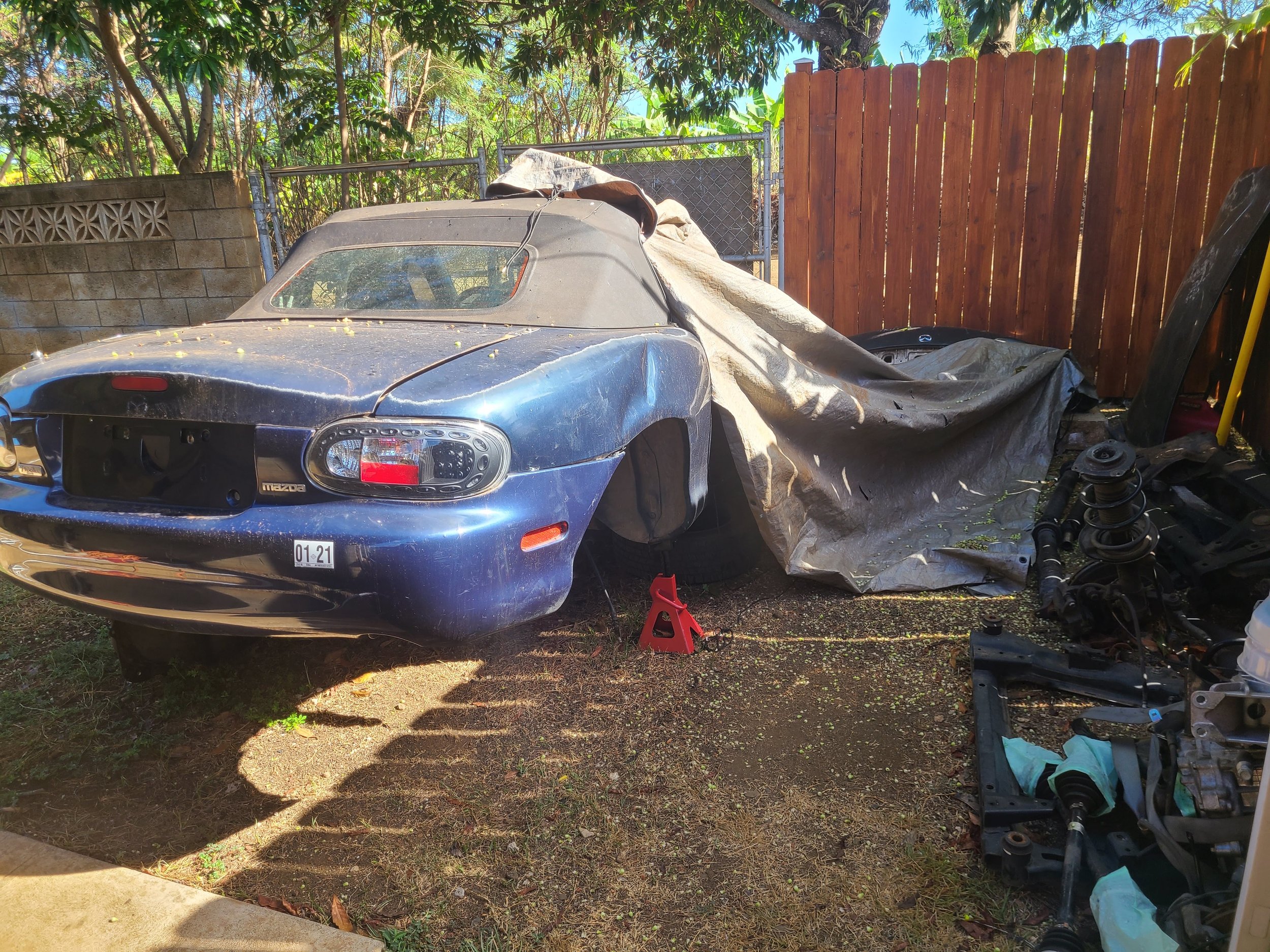
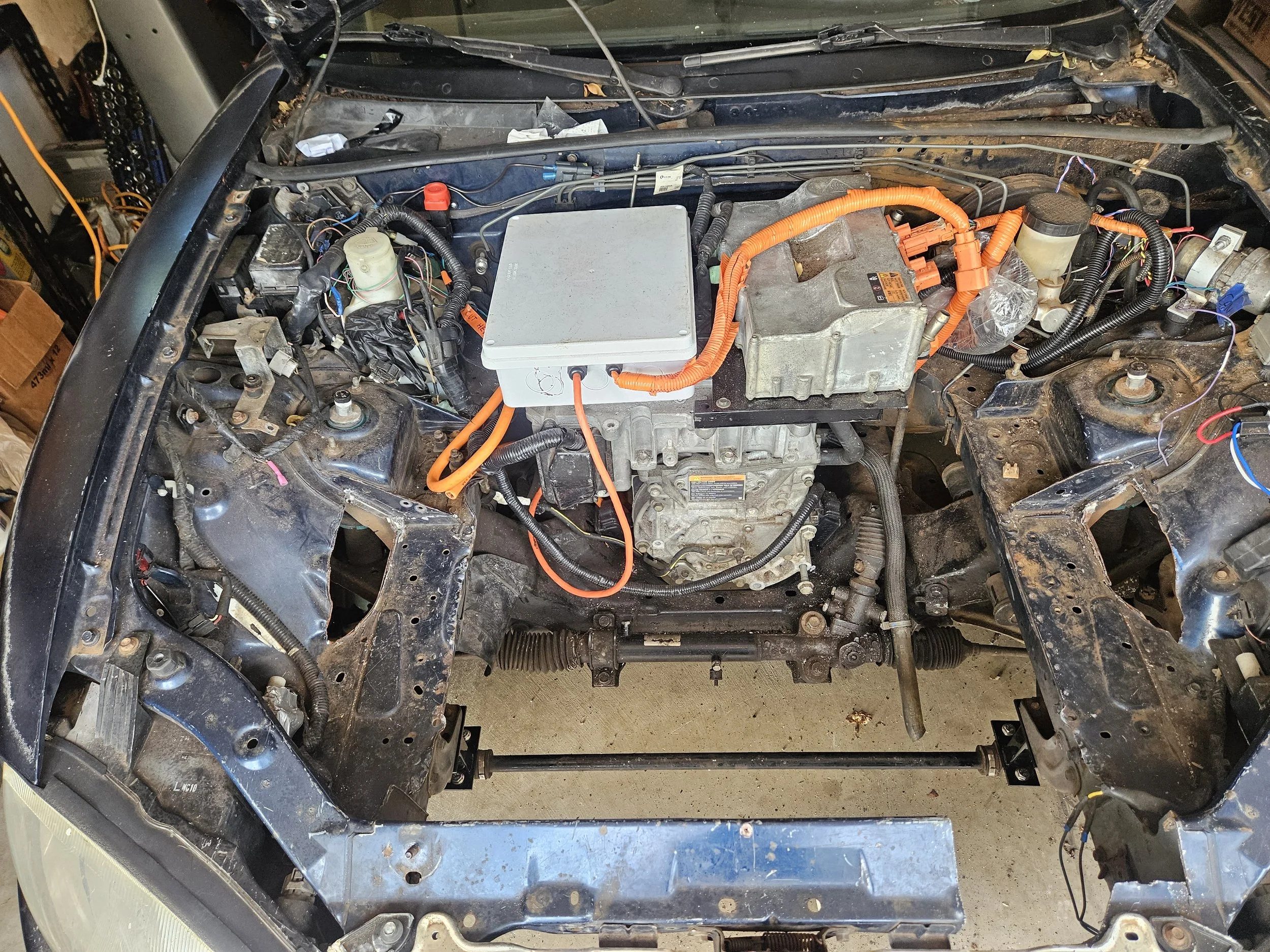
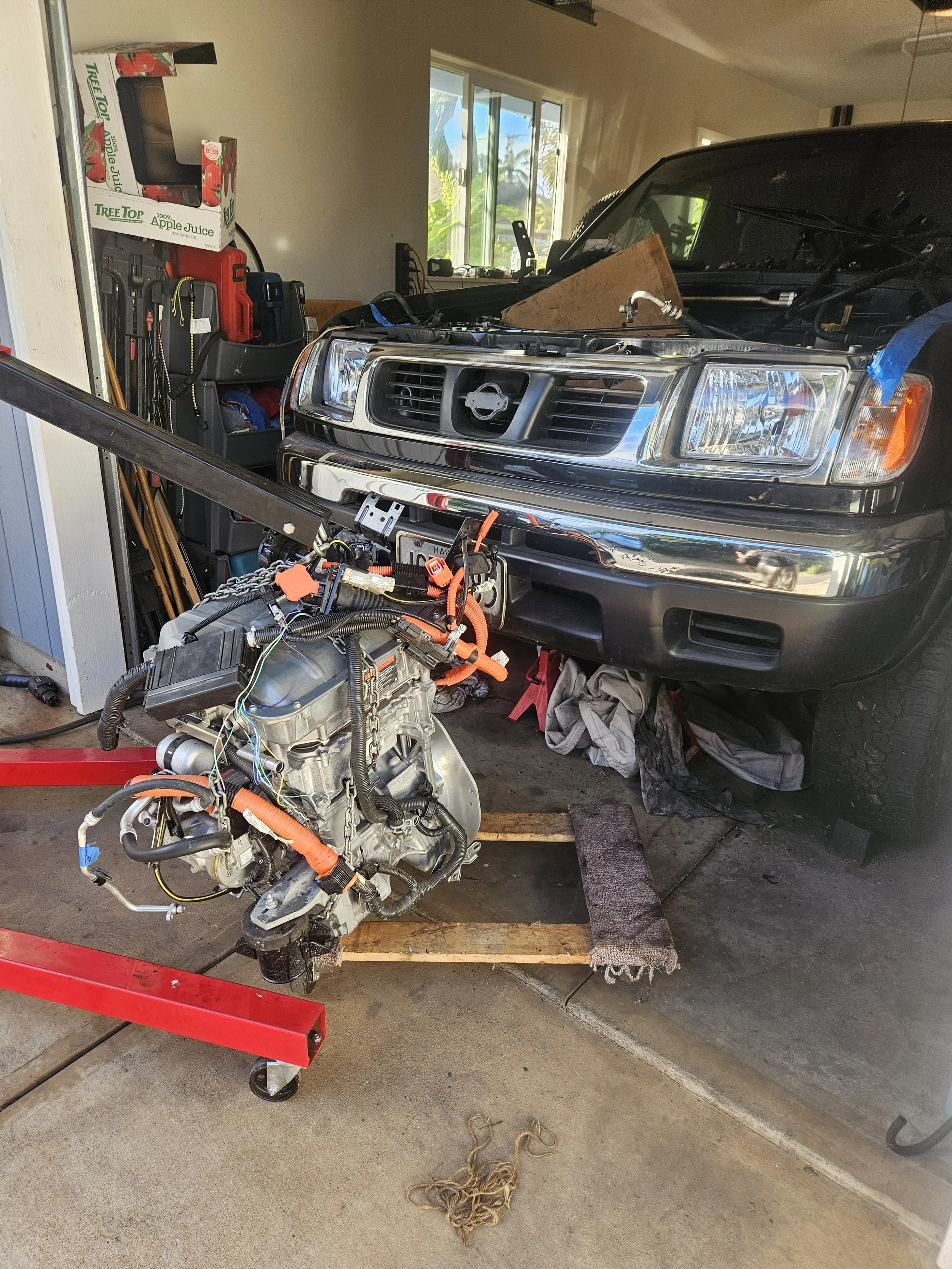
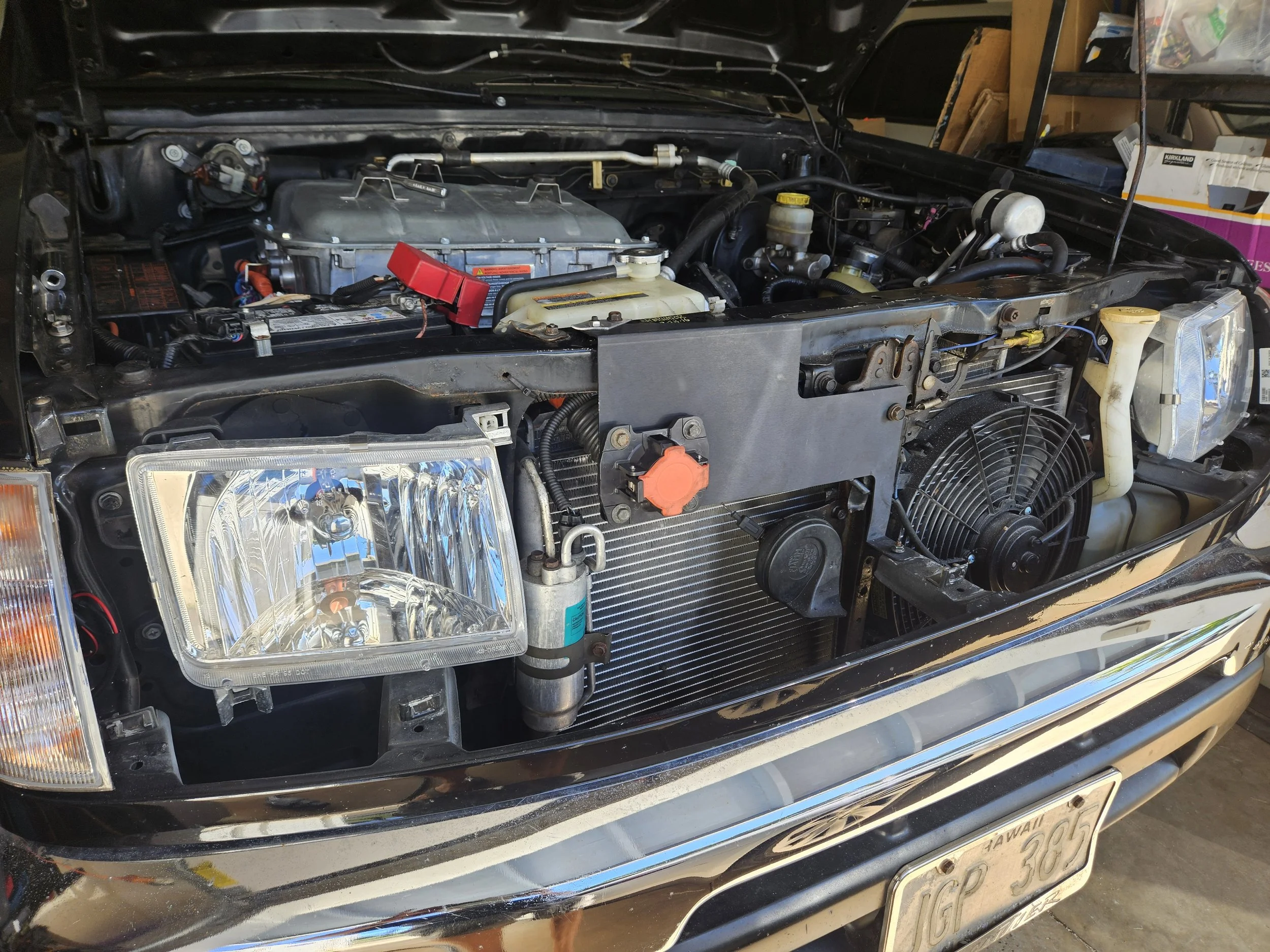
1. Vehicle Types That Tend to Work Well
We do look at all kinds of vehicles, but some platforms are naturally better suited to EV conversions than others.
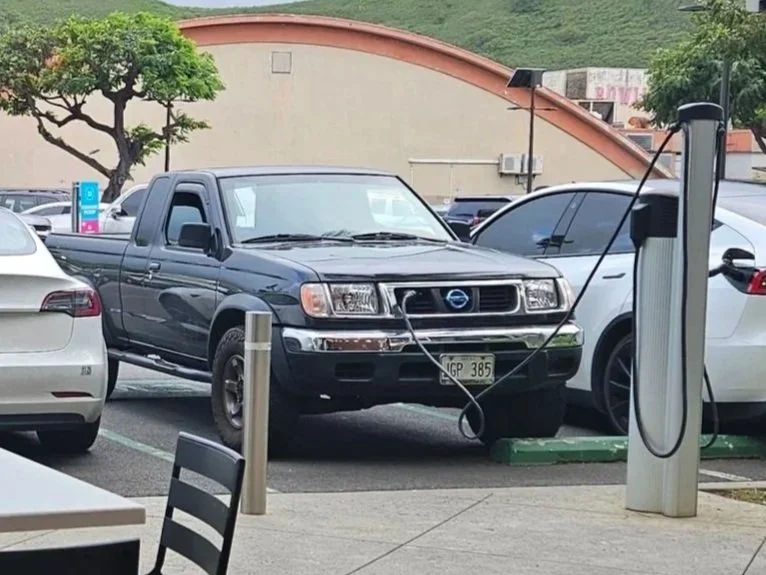
Mid-Size Pickups
Examples: Tacoma, Frontier, similar trucks.
Why they’re strong candidates:
Space for batteries: Frames and underbodies often have room for battery packs without sacrificing bed space.
Strong structure: Trucks are built to carry weight, which helps when adding a battery pack.
Island-friendly use: Many owners use them for commuting, errands, and surf/fishing trips—ideal for EV range in Hawaiʻi.
If you love your truck but hate the gas bills, a conversion can make a lot of sense.
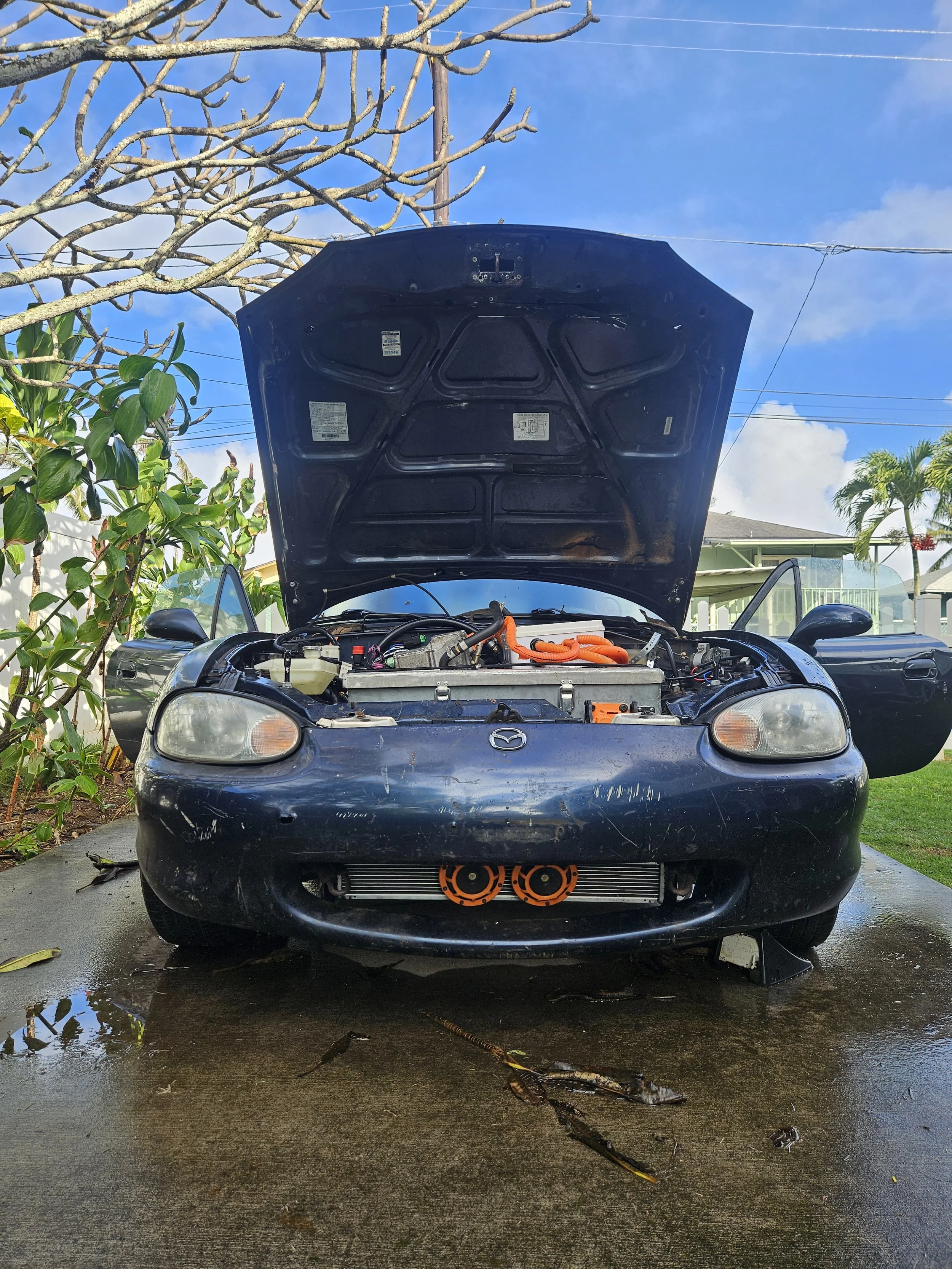
Lightweight Roadsters & Convertibles
Examples: Miata, classic British roadsters, similar small sporty cars.
Why they can be great:
Light weight: Lighter vehicles need less power and less battery to feel quick and fun.
Fun factor: Instant torque from an electric motor turns a small roadster into a very lively, quiet backroad car.
Weekend, not cross‑country: Many roadsters are used for shorter, more enjoyable drives, which lines up well with EV range.
The challenge is packaging components in a tight space—but when it’s done right, the result is a car that feels more modern while keeping its character.
Other Rear-Wheel Drive Classics & Sedans
Examples: Classic muscle cars, vintage sedans, or later-model RWD sports cars.
Why they can work:
Preservation: If the car is solid and you love it, an EV conversion can give it a second life without the maintenance headaches of a vintage engine.
Better Packaging: Rear-wheel drive layouts typically have more room in the "transmission tunnel" and engine bay for motor and battery placement compared to modern front-wheel-drive cars.
Versatility: There are more motor and gear-reduction options available for RWD platforms, allowing us to tune the performance to your specific needs.
We’ll still look closely at the condition and layout, but many RWD cars are excellent candidates for a high-quality conversion.
2. How You Drive: Range and Use Case
Even a perfect platform won’t make sense if your driving pattern doesn’t match what a converted EV can realistically deliver.
Typical Daily Miles
Ask yourself:
How many miles do I normally drive in a day?
How often do I take longer trips?
For many people in Hawaiʻi, the answer is something like 10–40 miles a day, with occasional longer runs. That’s a sweet spot for conversions.
We can design a battery pack sized for:
Daily commutes, school runs, and errands
Regular trips across the island (within reason)
…without the cost of a huge, long‑range pack that you rarely fully use.
Long Trips & Special Use Cases
If your regular, non‑negotiable use case is:
Multiple long trips in a row without charging, or
Heavy towing over long distances,
a conversion might not be ideal—or it will point toward a more expensive build with a large battery and more complex cooling and charging setups.
We’ll always be honest about where range expectations and budget align—or don’t.
3. Vehicle Condition and Layout
A big part of the “Is this a good candidate?” question is:
“Are we starting from a solid foundation?”
Good Candidates
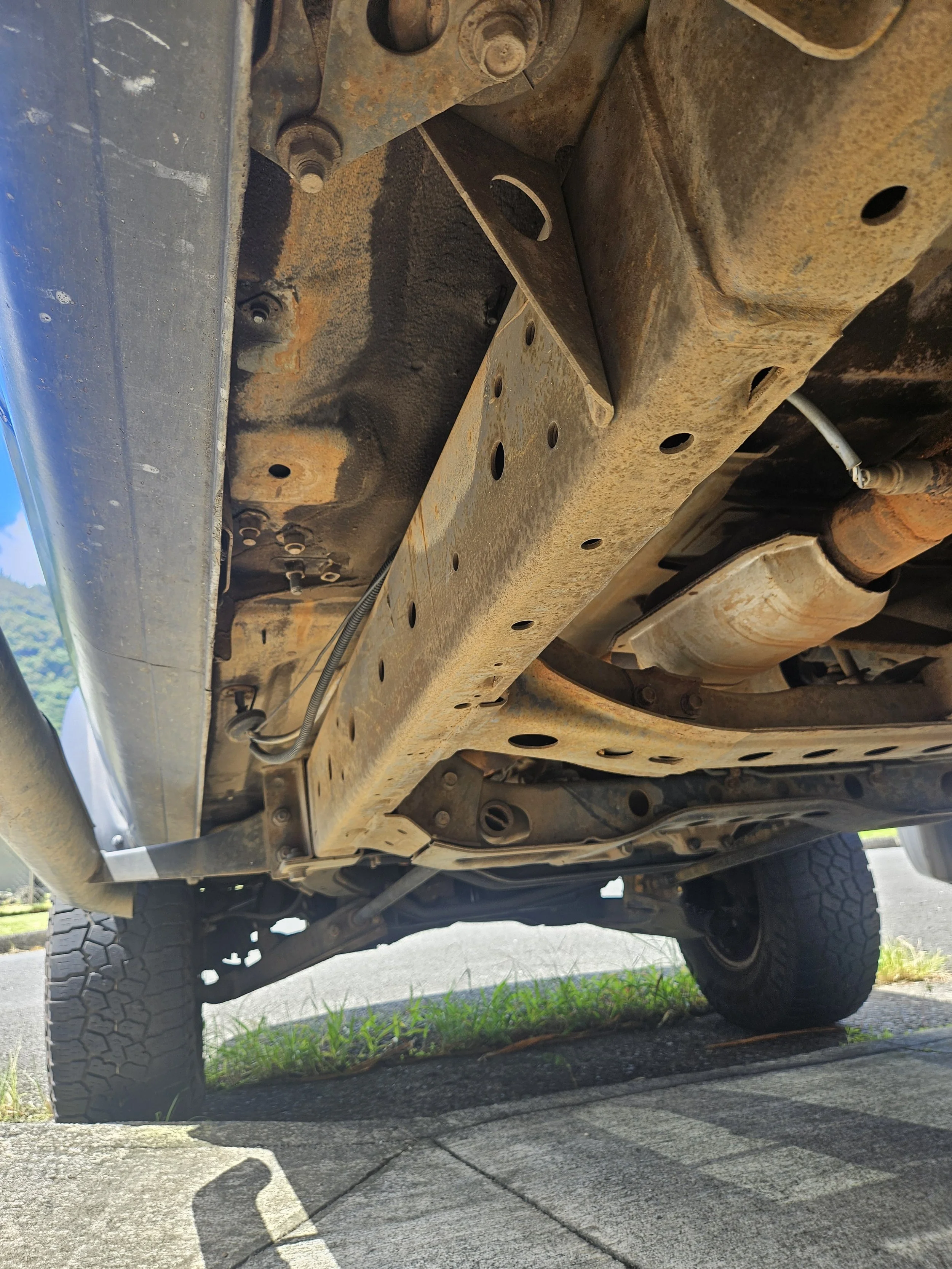
Mostly rust‑free structure and frame
Suspension and brakes that are sound or only need modest work
An engine or transmission that’s tired or “retired”, but the rest of the vehicle you love
In these cases, it often makes sense to invest in a conversion, because:
You’re not pouring money into basic restoration before we even start, and
More of your budget can go directly into the electric system.
Tougher Candidates
Major structural rust (especially in key load‑bearing areas)
Extensive body damage or missing major components
Very cramped, unusual, or heavily modified engine bays
We can sometimes still work with these, but the project will usually:
Become more expensive, because we’re solving more problems, and
Take longer, due to additional fabrication and repair.
If your car needs a full restoration and an EV conversion, we’ll talk openly about what that means for budget and timeline.
4. Budget and Expectations
We don’t expect you to know exact numbers, but it helps to have a rough range in mind.
As we outline on our Pricing page, many full conversions for pickups and classic roadsters end up somewhere in the $20,000–$40,000 USD range. Simpler or consulting‑only projects can be less, and more extreme builds can be more.
A vehicle is generally a better candidate when:
You care enough about it to invest in that range, and
You’re okay with it being a custom project, not a mass‑produced appliance.
If your priority is the absolute lowest cost per mile, with no attachment to a specific vehicle, a used mass‑market EV might make more sense than a conversion. We’re happy to say that out loud—we want you to end up with the right solution, even if it’s not a conversion.
5. When a Vehicle Is Not a Great Candidate
To be transparent, here are some situations where we often advise against a conversion, or at least recommend thinking carefully:
You don’t really like the vehicle—it’s just “what you have.”
The car needs extensive rust repair or bodywork before we could even start.
You need very long range and heavy towing on a regular basis and have a tight budget.
You mainly want a quick flip or resale project, rather than a vehicle you plan to keep.
In these cases, your money may be better spent on:
A different donor vehicle in better condition, or
A factory EV that matches your use case out of the box.
We’d rather help you find a smart path than push a conversion that doesn’t fit.
6. How We Evaluate Your Specific Vehicle
When you fill out our consultation form or reach out directly, we typically look at:
Vehicle basics
Year, make, model, body style
Transmission type (if known)
How you plan to use it
Daily miles
Longest regular trip
Primary use (commute, errands, surf/fishing, weekend cruises, etc.)
Your priorities
Range vs. power vs. preserving the classic look
Cargo/towing needs (for trucks)
Budget range and timeline
Photos and condition
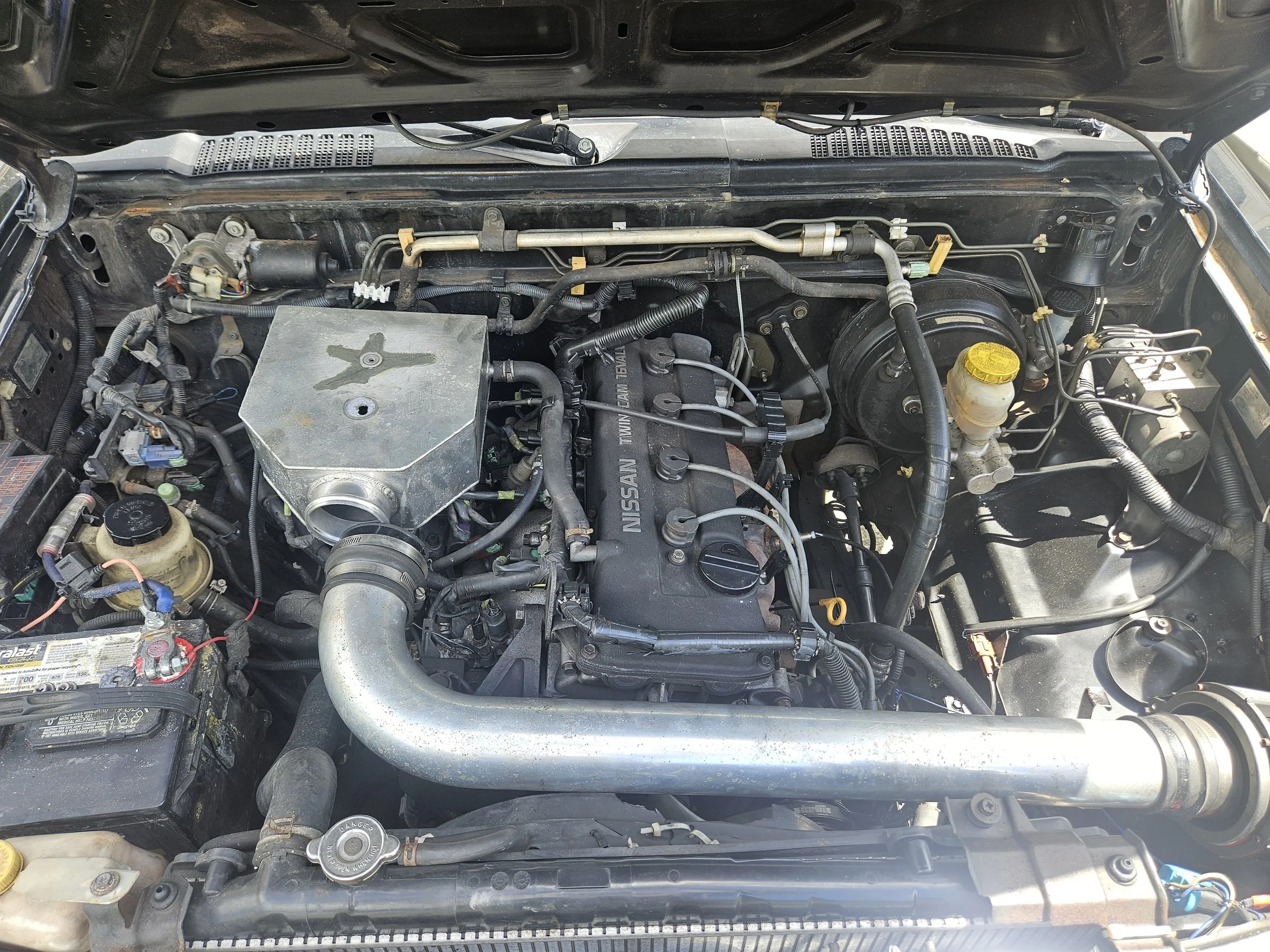
Engine bay
Underbody/frame (if possible)
Interior and exterior overall
From there, we can usually say:
“Yes, this is a strong candidate, here’s why,” or
“It’s possible, but here are the tradeoffs and likely cost,” or
“We wouldn’t recommend converting this one; here are some better options.”
7. Learning from the Wider EV Conversion Community
We’re not doing this in a vacuum. Around the world, there’s a growing community of builders, enthusiasts, podcasts, and magazines showcasing EV conversions of all shapes and sizes.
We regularly follow and learn from that broader community—seeing what works, what doesn’t, and how others solve tricky packaging or control challenges—and then apply those lessons to the very specific realities of building and driving EVs in Hawaiʻi.
If you enjoy going down the rabbit hole, there are many great resources out there to explore different build styles and ideas. But when it comes to your own vehicle, we’re here to help you sort through all that inspiration and figure out what’s actually realistic for your platform, budget, and roads.
8. So… Is Your Car a Good Candidate?
If you:
Have a mid‑size pickup, a lightweight roadster, or another rear-wheel drive vehicle in good structural shape,
Mostly drive predictable daily distances in Hawaiʻi, and
Care enough about the vehicle to invest in a custom build,
…there’s a good chance your car or truck could be a solid EV conversion candidate. The next step isn’t committing to a build—it’s simply having a guided conversation about what’s realistic.
Let’s Talk About Your Vehicle
Want to know if your vehicle is a good EV candidate?
Every build we do at ReRides EV is custom, and we’ll always be upfront about what makes sense and what doesn’t. Many full conversions land somewhere in the $20,000–$40,000 range, but your exact project will depend on your vehicle, goals, and parts availability.
Share your vehicle and driving habits with us, and we’ll help you understand your options!