
How We Reuse Nissan Leaf Parts for Reliable, Cost-Effective EV Conversions
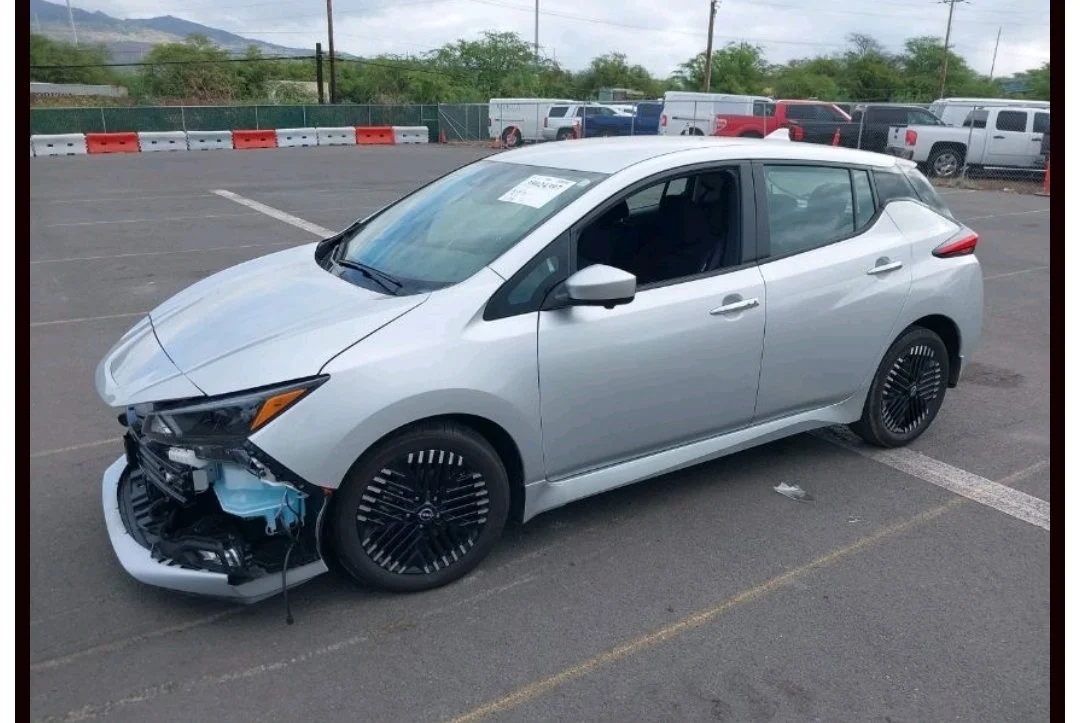
Donor Vehicle: 2023 Nissan Leaf+
Introduction
One of the most common questions we get is:
“Do you build everything from scratch, or do you reuse parts from other EVs?”
For many of our conversions—especially pickup trucks and practical daily drivers—we rely heavily on proven components from the Nissan Leaf.
The Leaf has been on the road in huge numbers for over a decade. That means:
Its motor and inverter are reliable and well-understood.
There are donor vehicles available from salvage yards.
We can often save our customers money by reusing high‑quality parts instead of buying everything brand new.
In this post, we’ll walk through what we reuse, how we inspect and refurbish it, and how it all fits into a custom build—using our Mazda Miata and Nissan Frontier conversions as real‑world examples.
Why Nissan Leaf Parts Make Sense for Conversions
The Leaf is one of the most widely produced electric cars in the world. That brings three big advantages for conversions:
Proven Reliability
These components have survived years of daily driving, heat, cold, and potholes. That real‑world track record matters.Availability of Donor Vehicles
When a Leaf is damaged in a collision or reaches the end of its road life, the electric drivetrain is often still in great shape. Salvage yards become a valuable source of motors, inverters, and battery modules.Known, Documented Technology
The Leaf community is large and active. There’s a wealth of documentation, reverse‑engineering, and open‑source projects around Leaf components, which makes integration safer and more predictable.
For many builds, especially where the goal is a practical, reliable daily EV rather than an exotic supercar, Leaf parts are an ideal foundation.
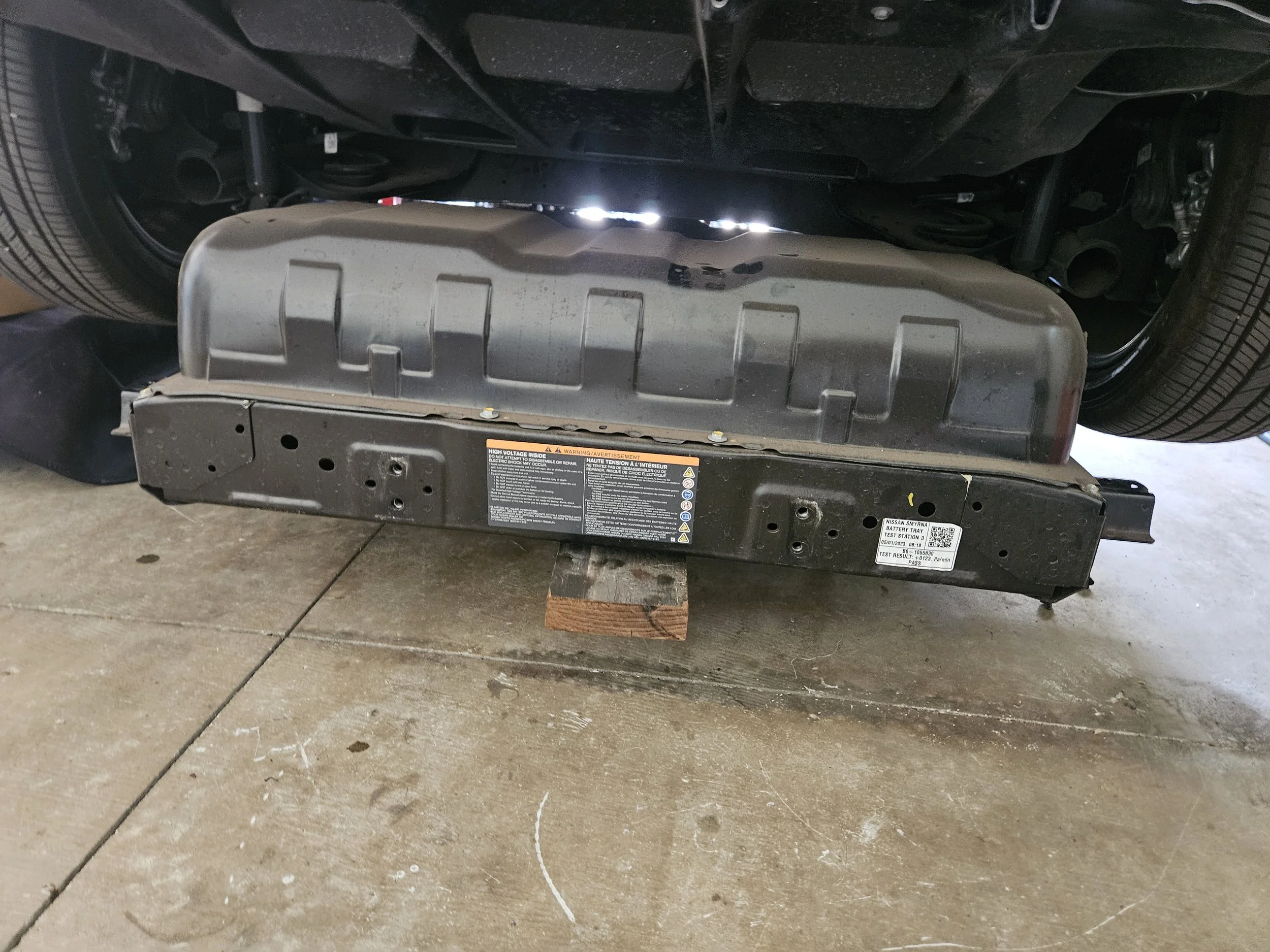
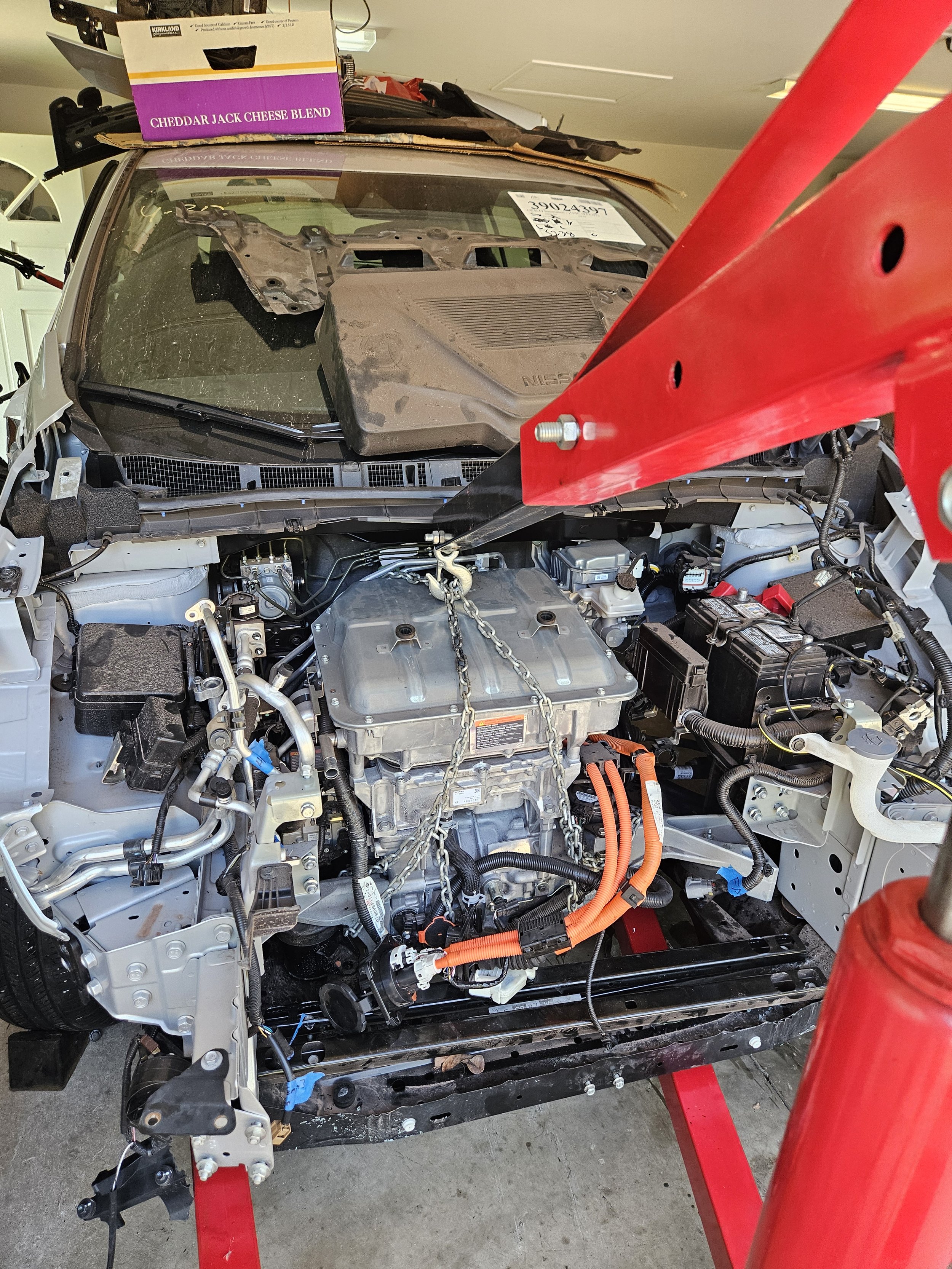
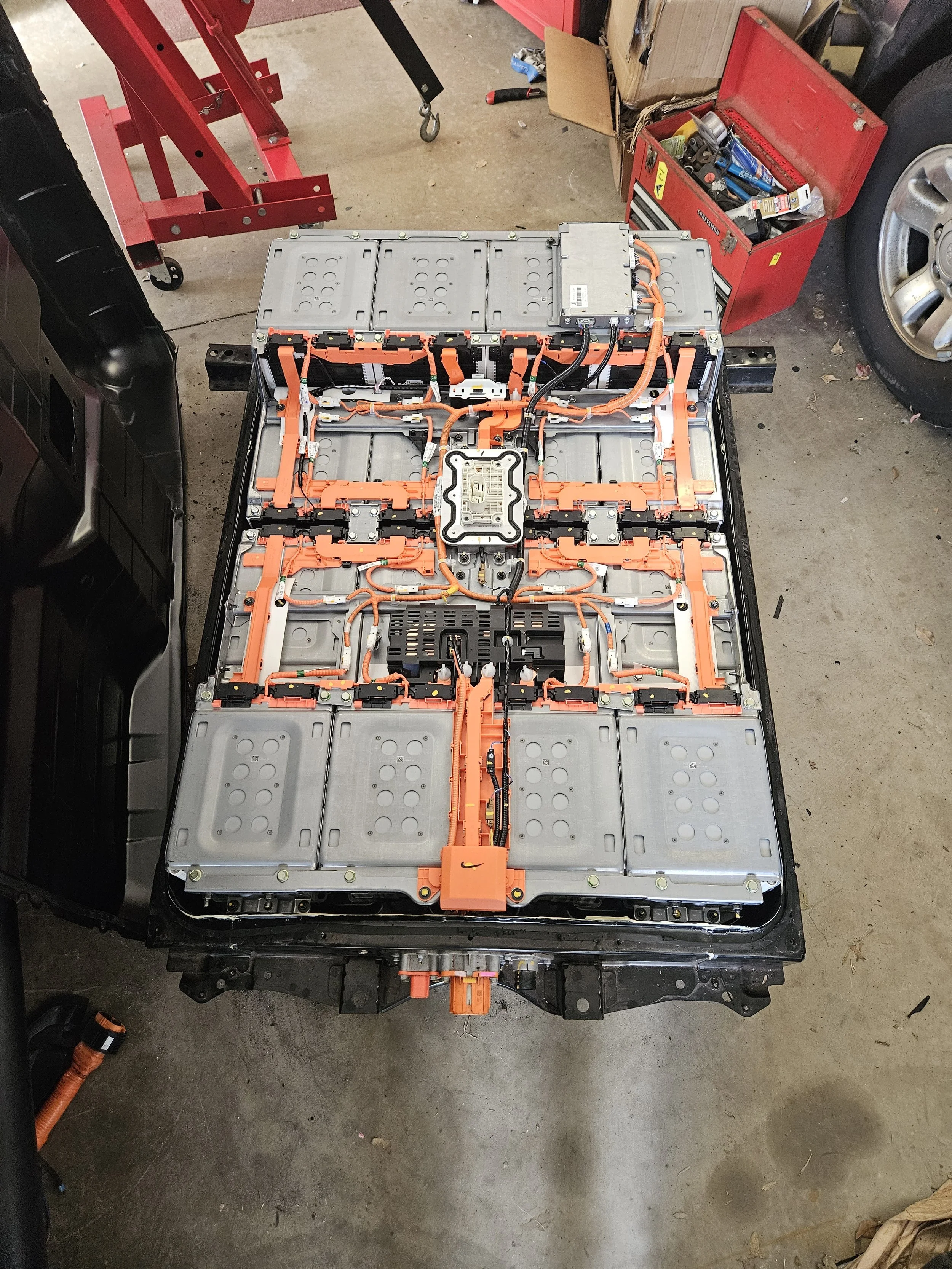
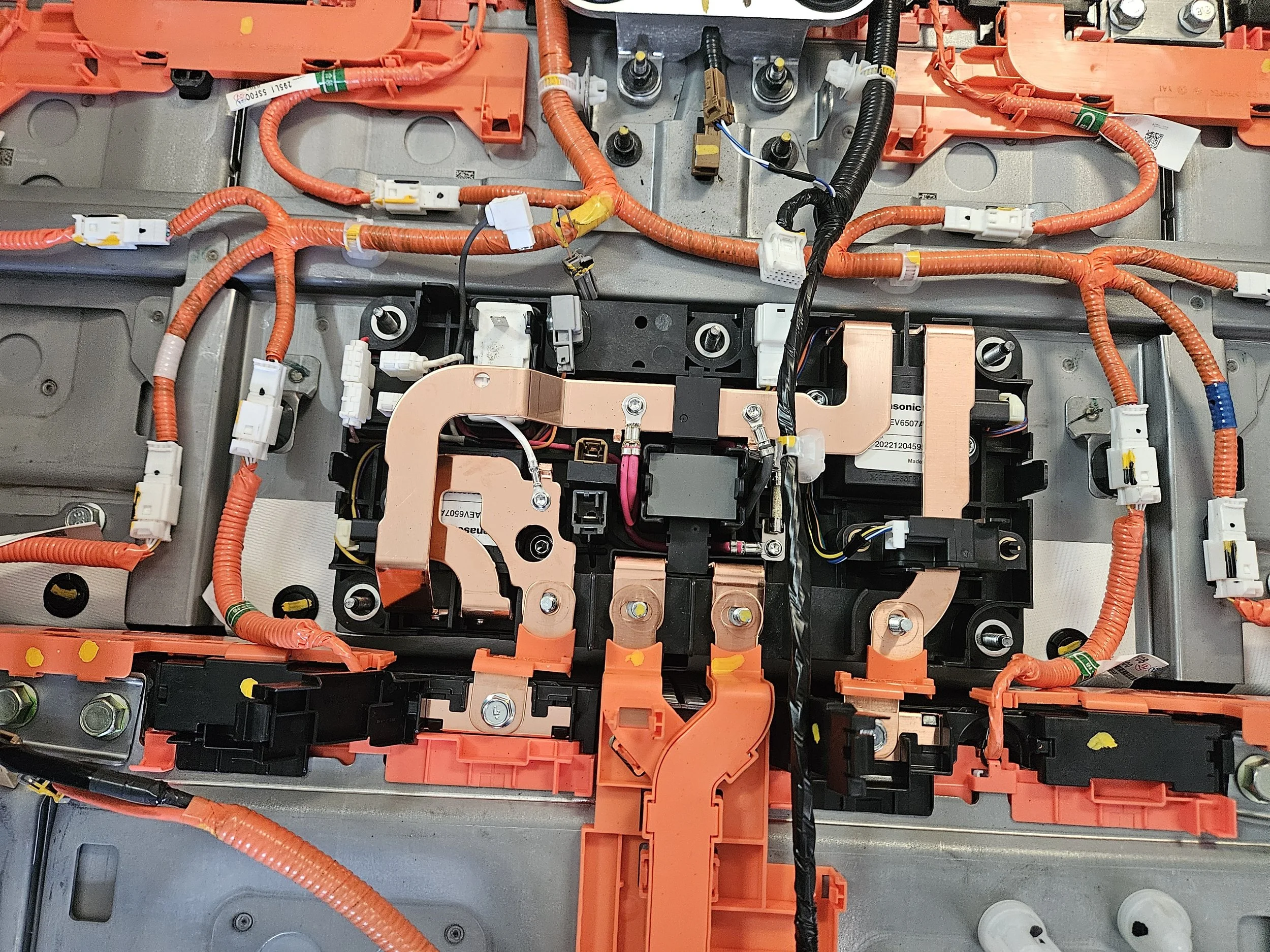
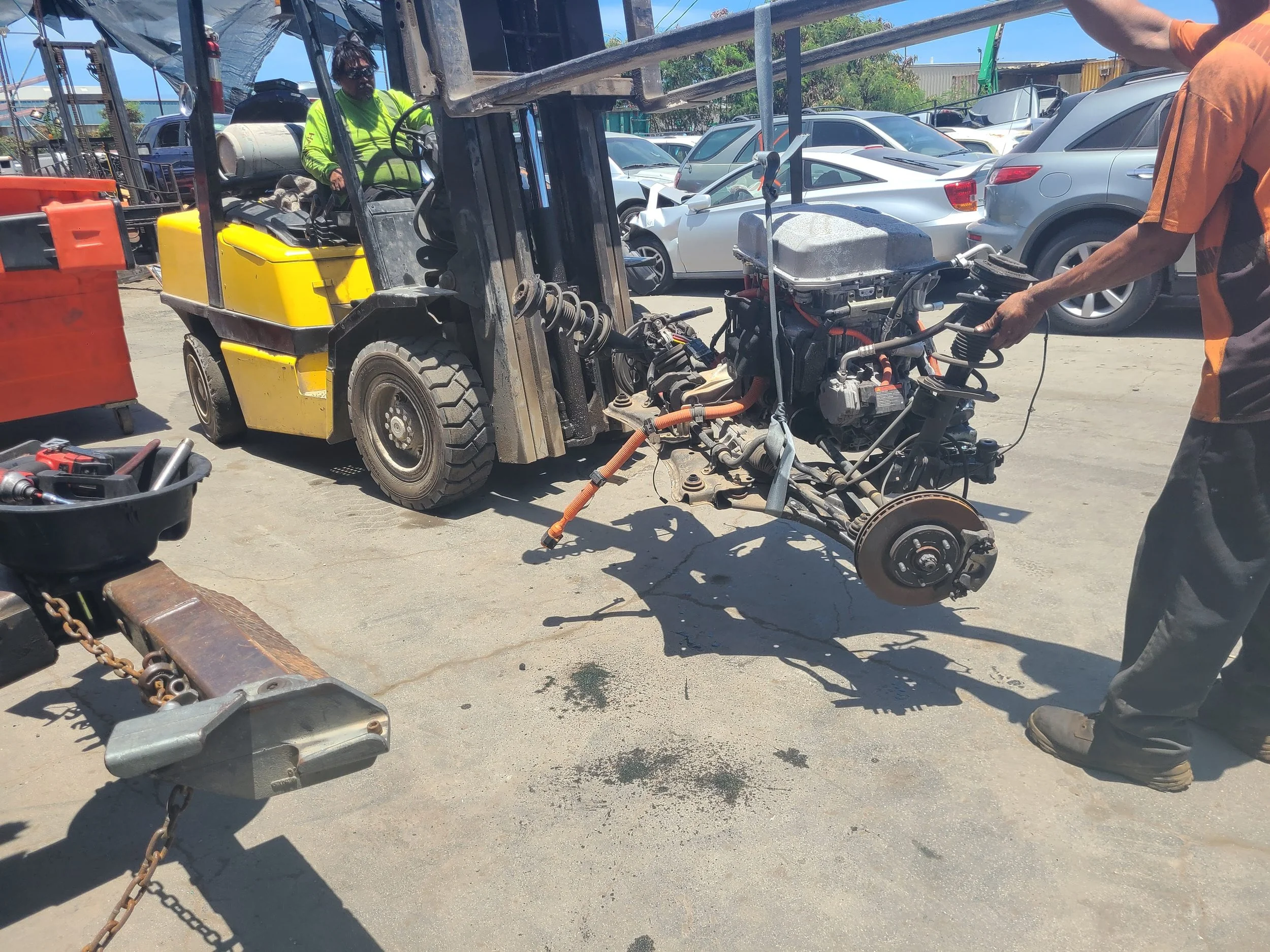
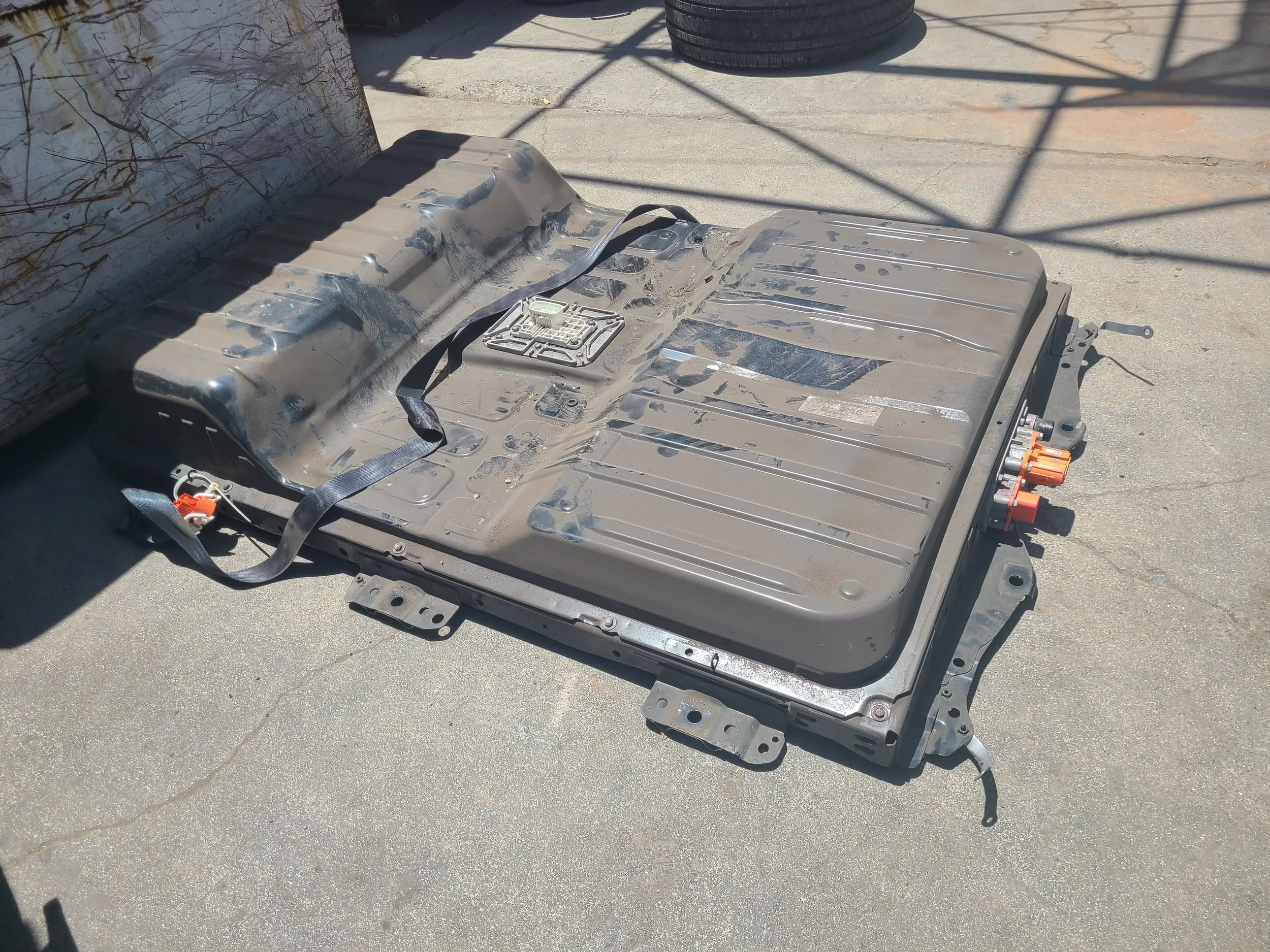
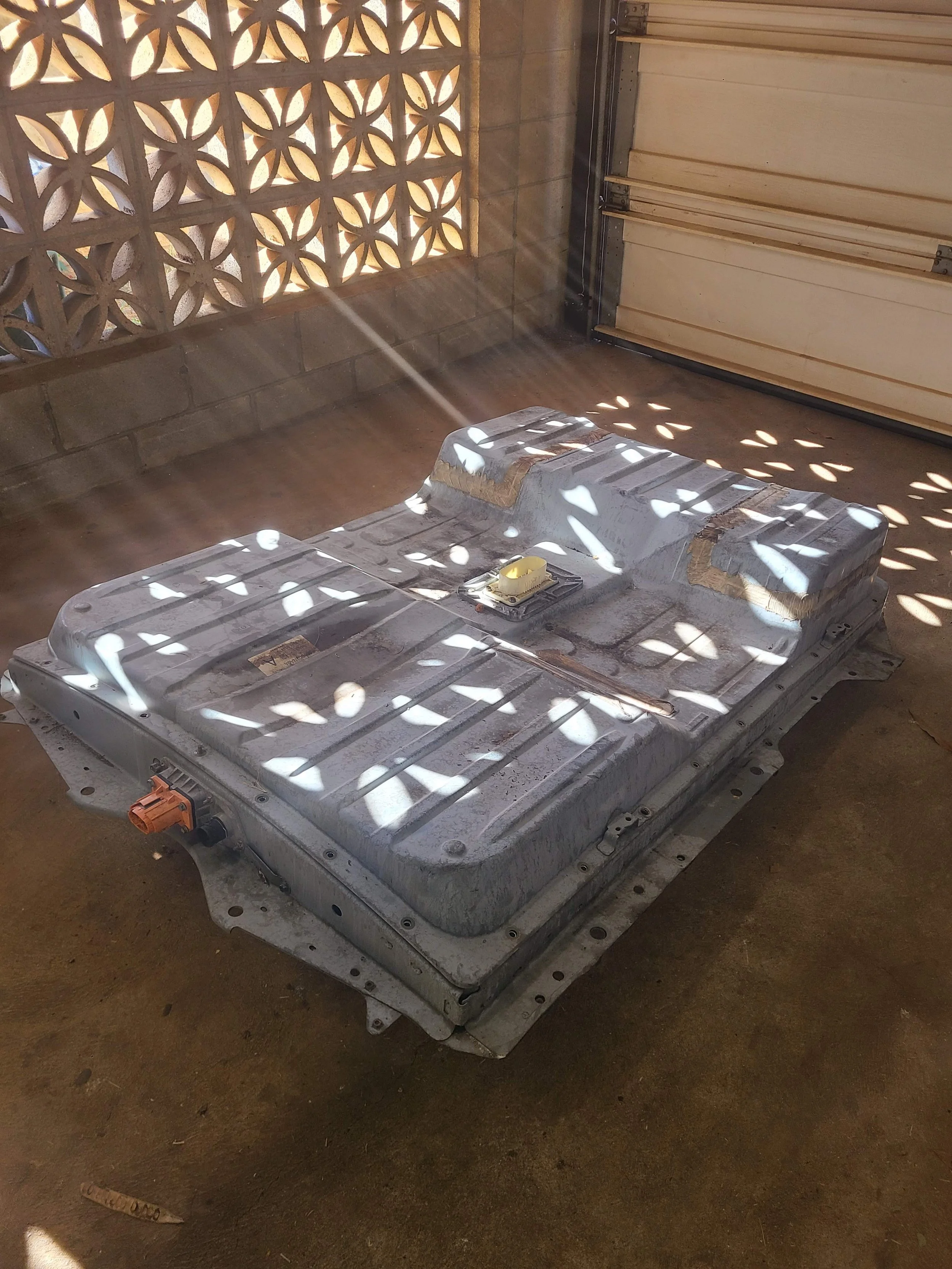
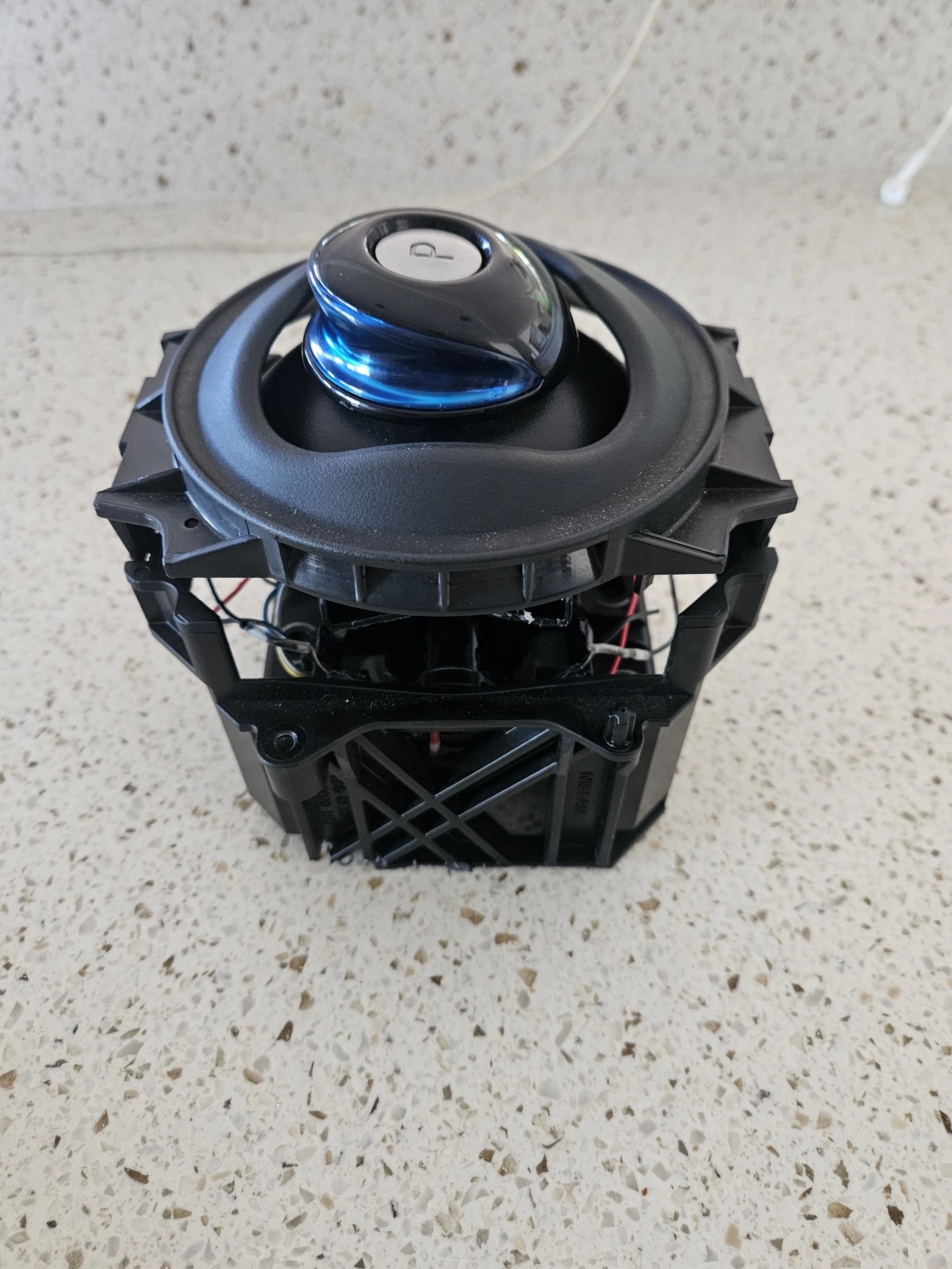
High-Voltage Components Inspected for Reuse
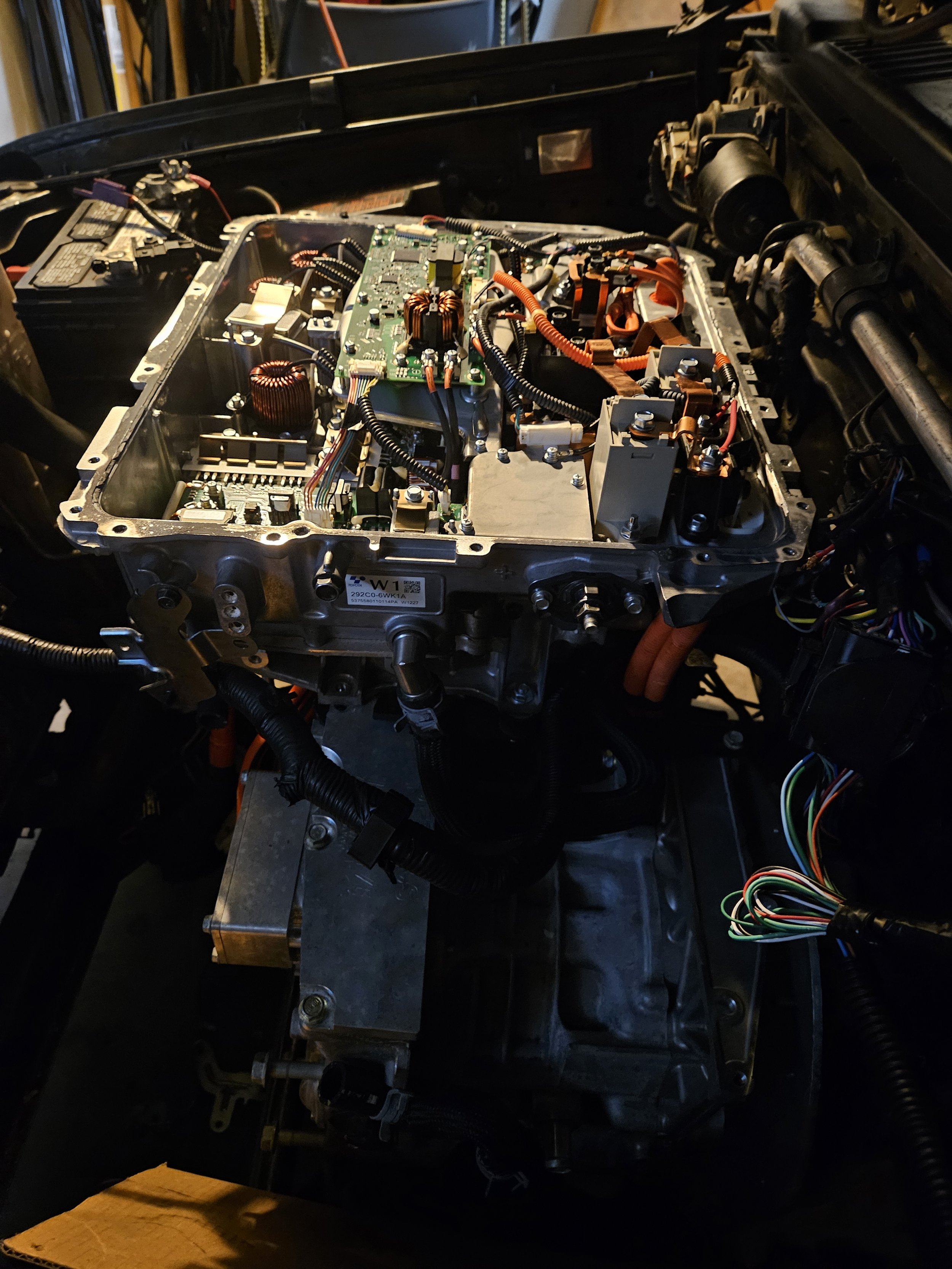
Reusing parts doesn’t mean just dropping them in and hoping for the best. Every salvaged component goes through an inspection and testing process before it goes near a customer’s vehicle.
Visual & Mechanical Inspection
We start with a thorough visual check:
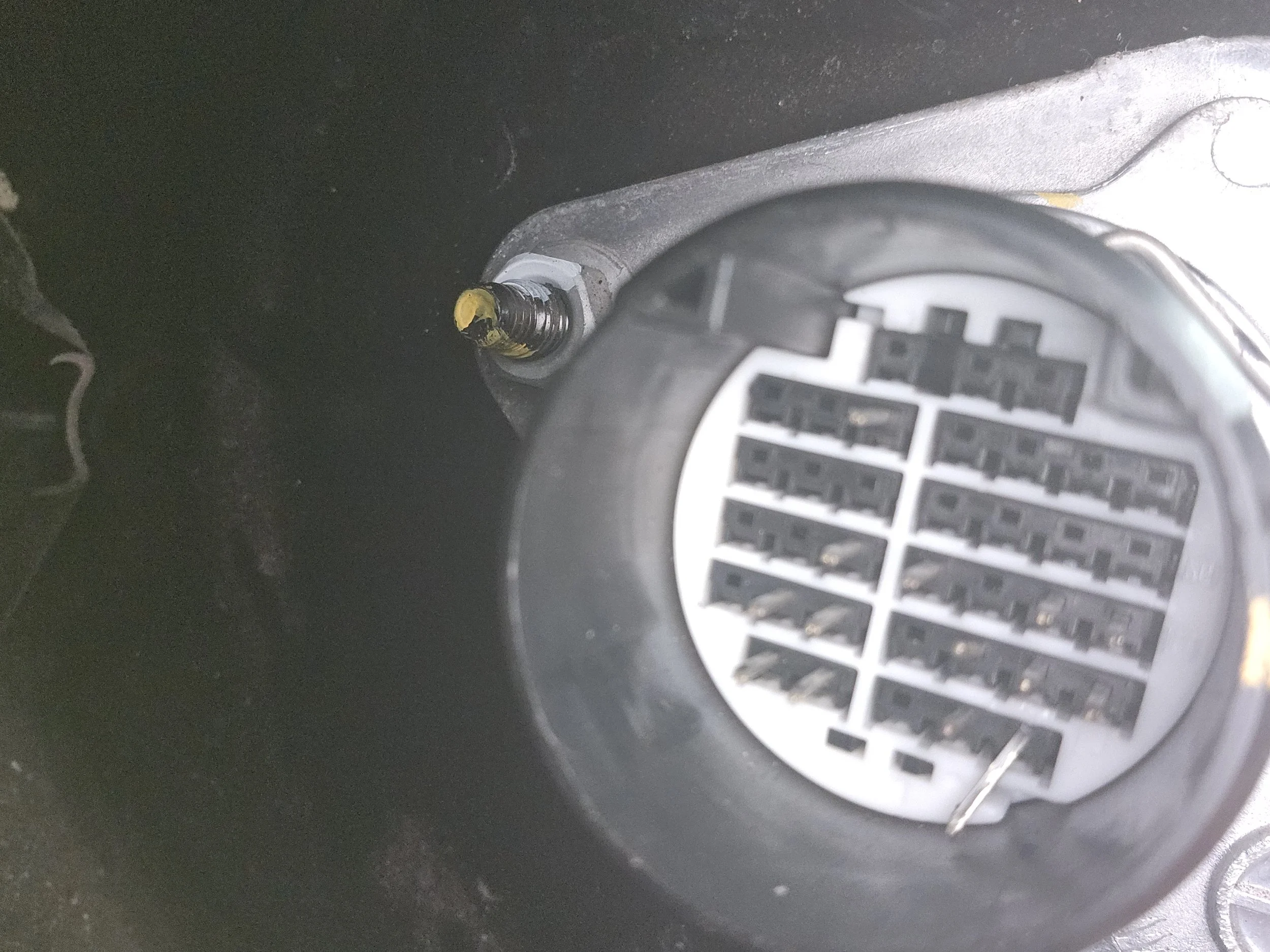
Cracks, corrosion, or heat damage on housings and connectors
Signs of water intrusion or major impact trauma
Condition of busbars, terminals, and seals
Any component that looks questionable is set aside for further testing or replacement.
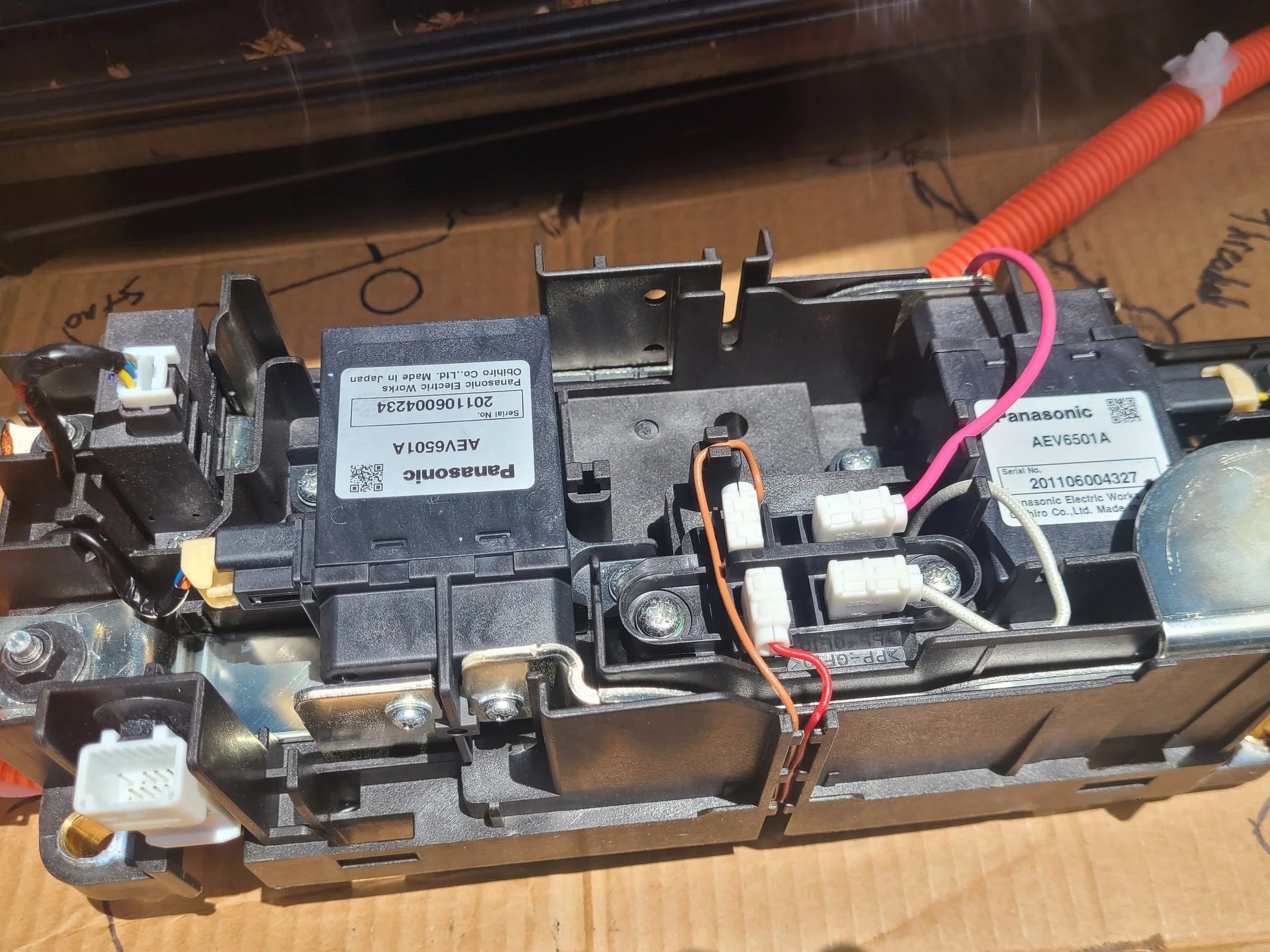
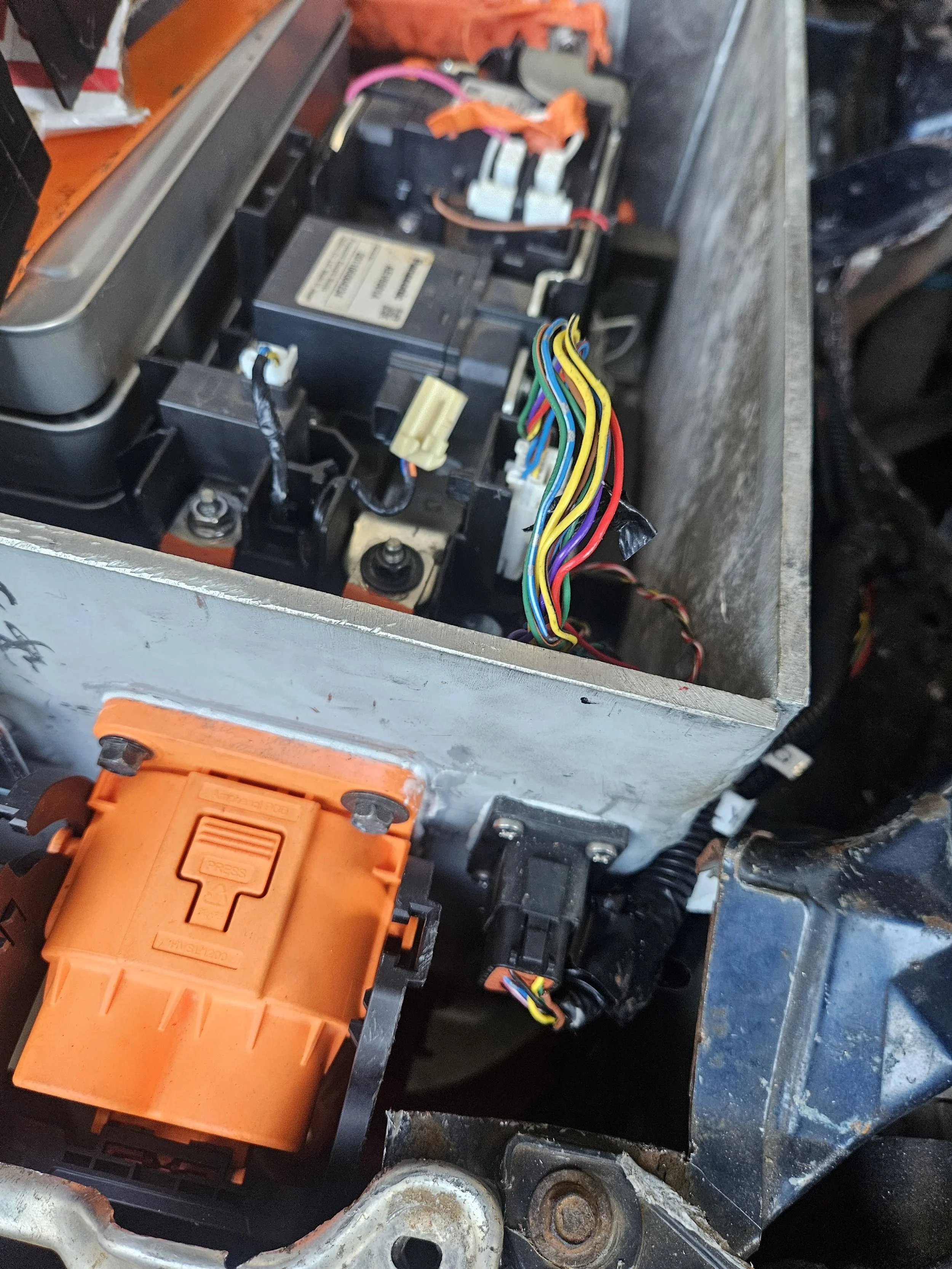
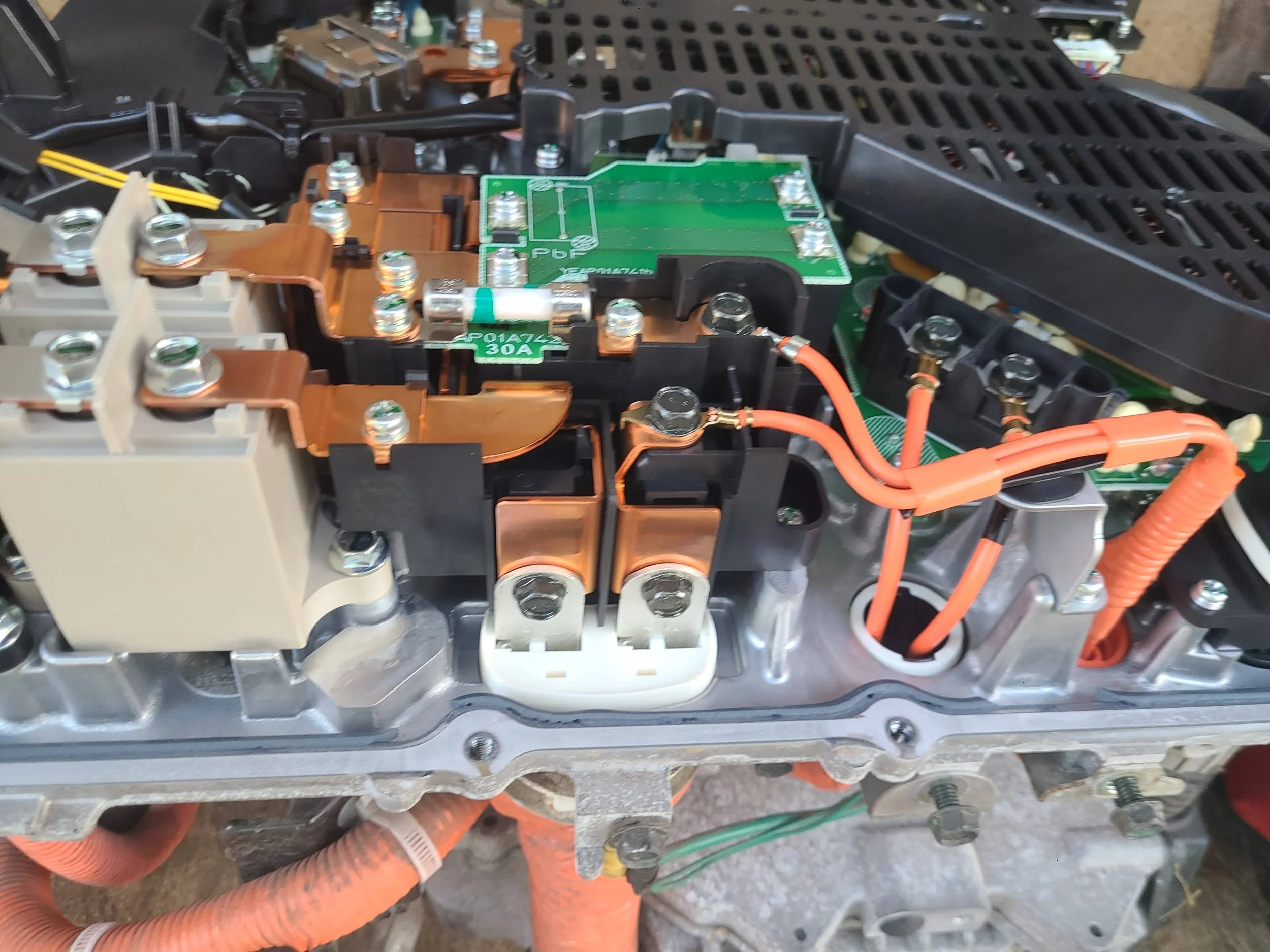
High voltage components inspected for reuse
Electrical Testing & Known Weak Points
Next, we test critical electrical components and pay extra attention to known failure points. For example:
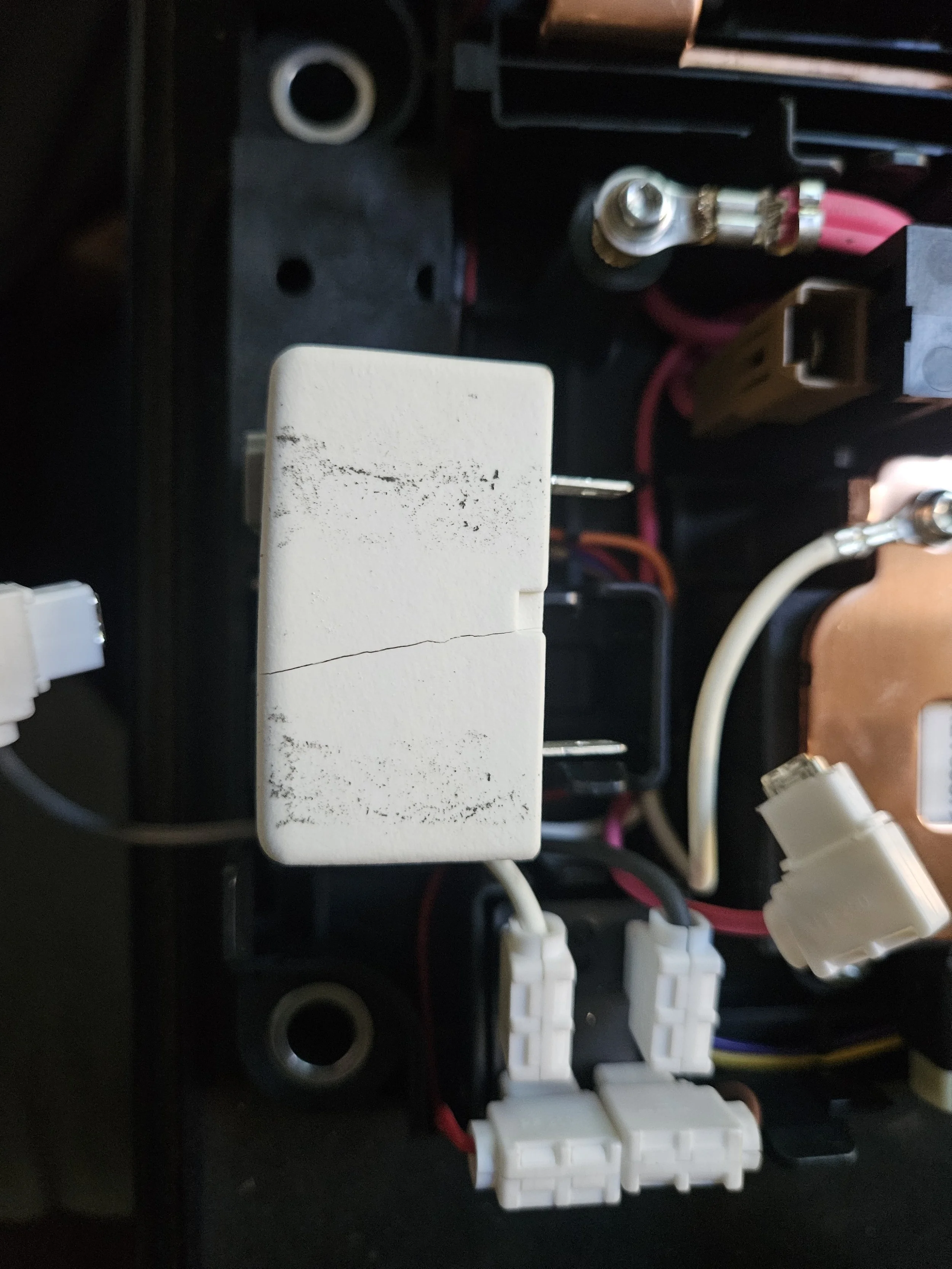
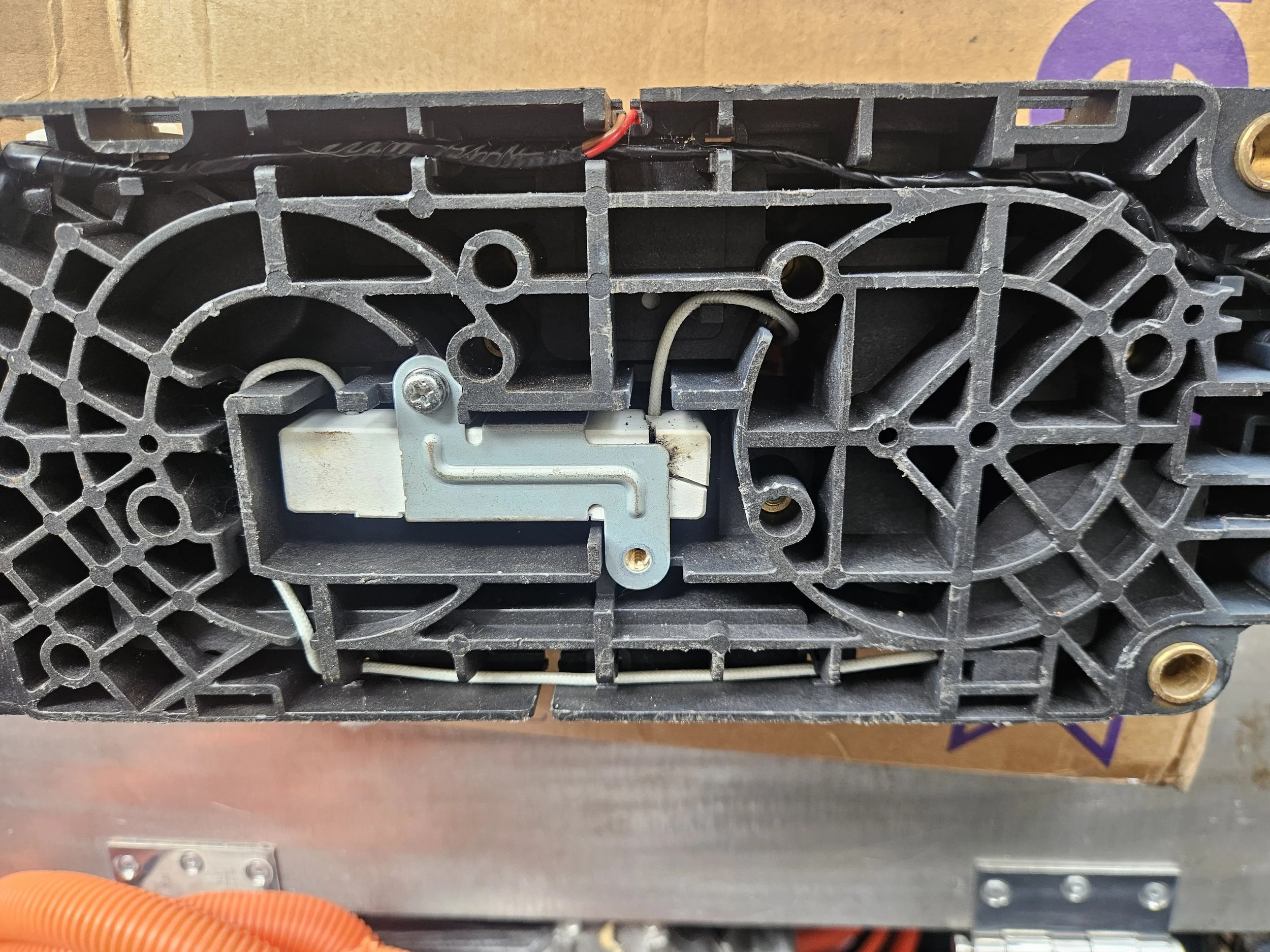
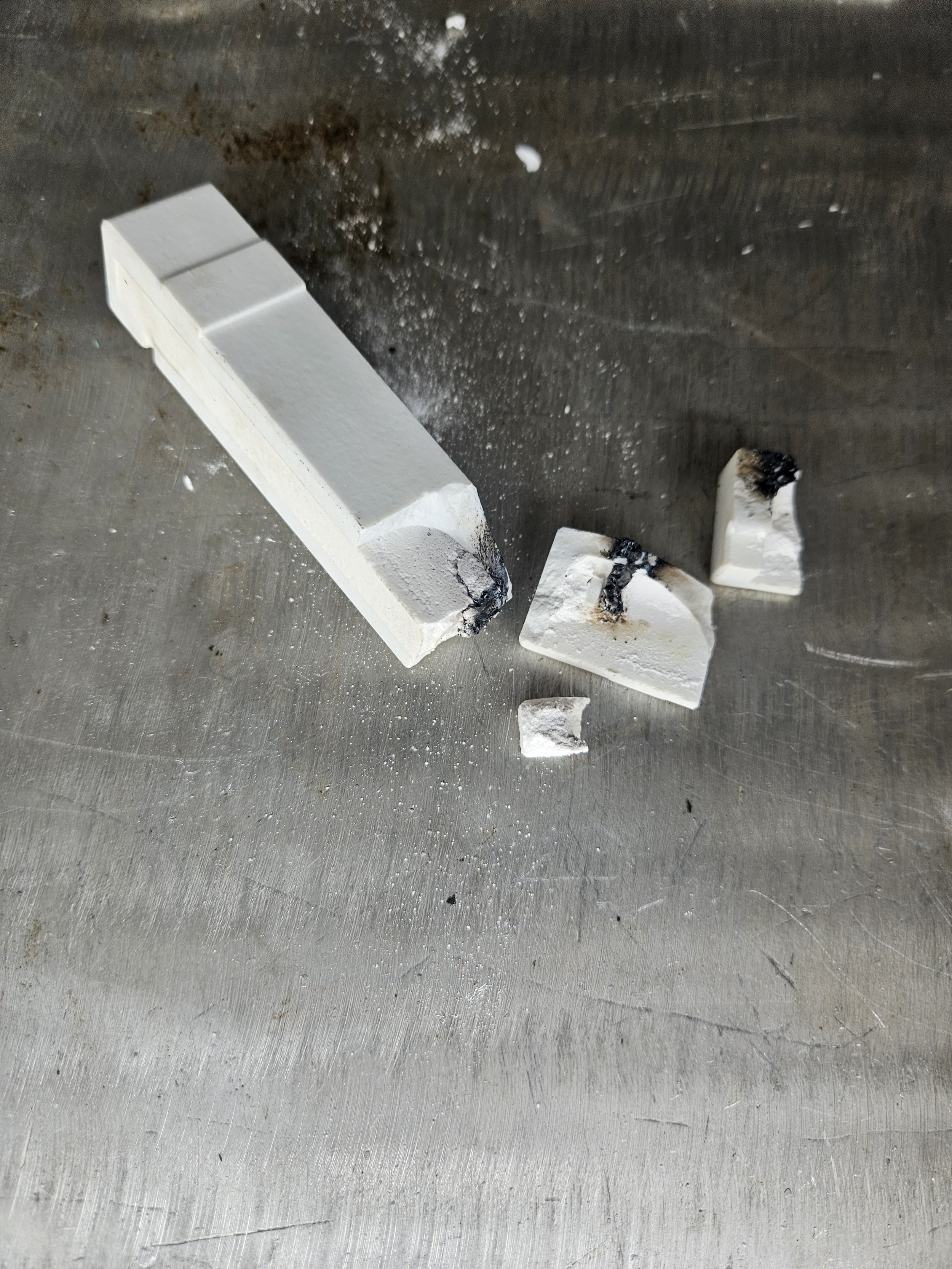
Precharge Resistors
In both of these projects, we discovered a failed precharge resistor in the donor contactor assembly. Precharge circuits gently bring the system up to voltage before the main contactors close. If that resistor fails, it can cause hard switching, stress components, or simply prevent the system from starting correctly.We replaced the bad resistor with a properly rated new part, ensuring the reused assembly would perform reliably in its second life.
Contactors
We inspect contactors for pitting or damage on contacts, test coil performance, and verify that they open and close as expected under controlled conditions.Battery Modules
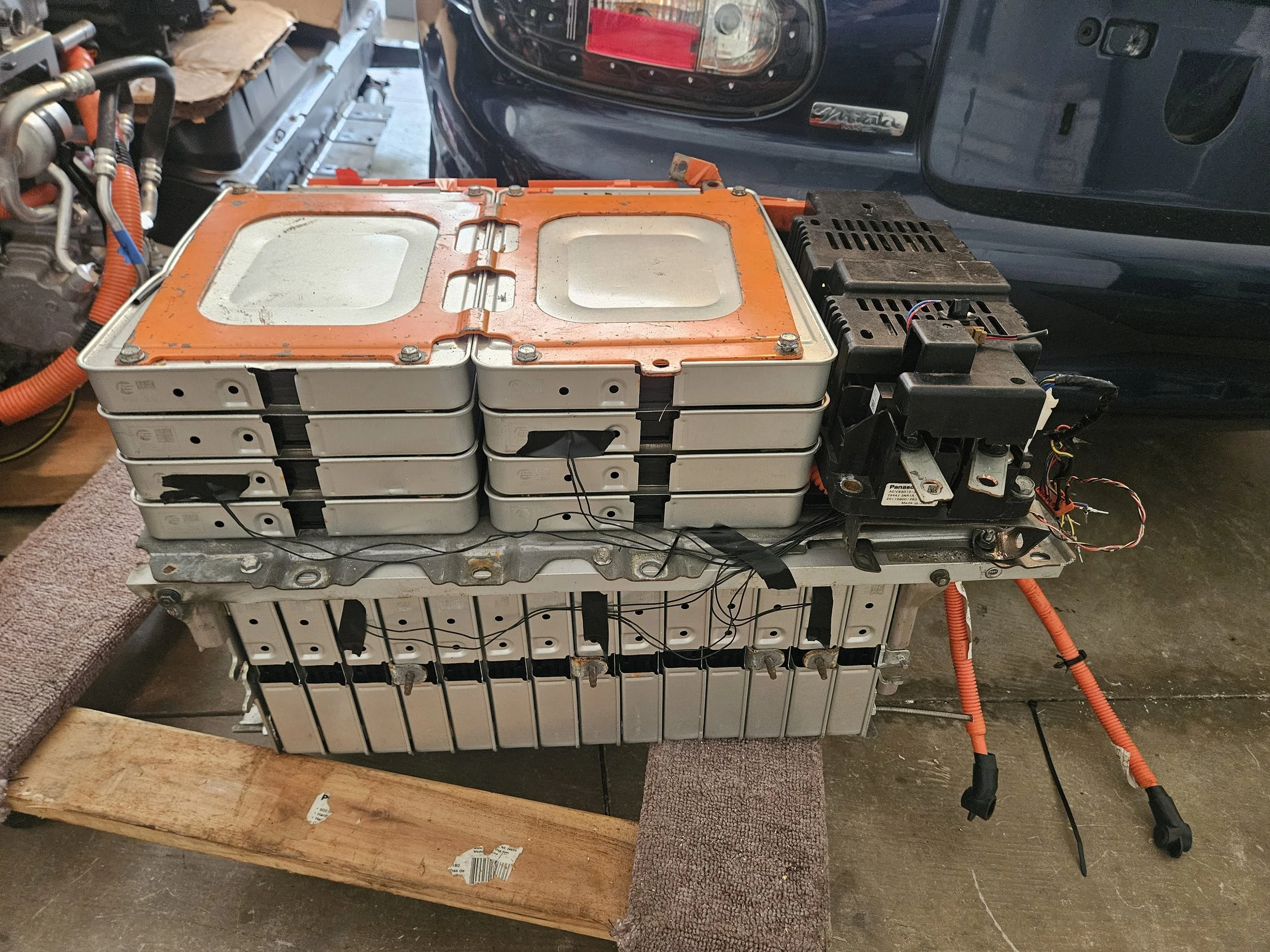
Modules are checked for physical damage and, where appropriate, tested for capacity and balance.
Reusing Parts, Not Reusing Problems
A key principle we follow is:
Reuse the good parts. Replace the weak links.
That means we are happy to reuse robust, long‑lived components like the Leaf motor or main contactors, but we won’t hesitate to:
Swap out aging or marginal components, like tired relays or resistors.
Replace seals, fasteners, and gaskets where it improves long‑term reliability.
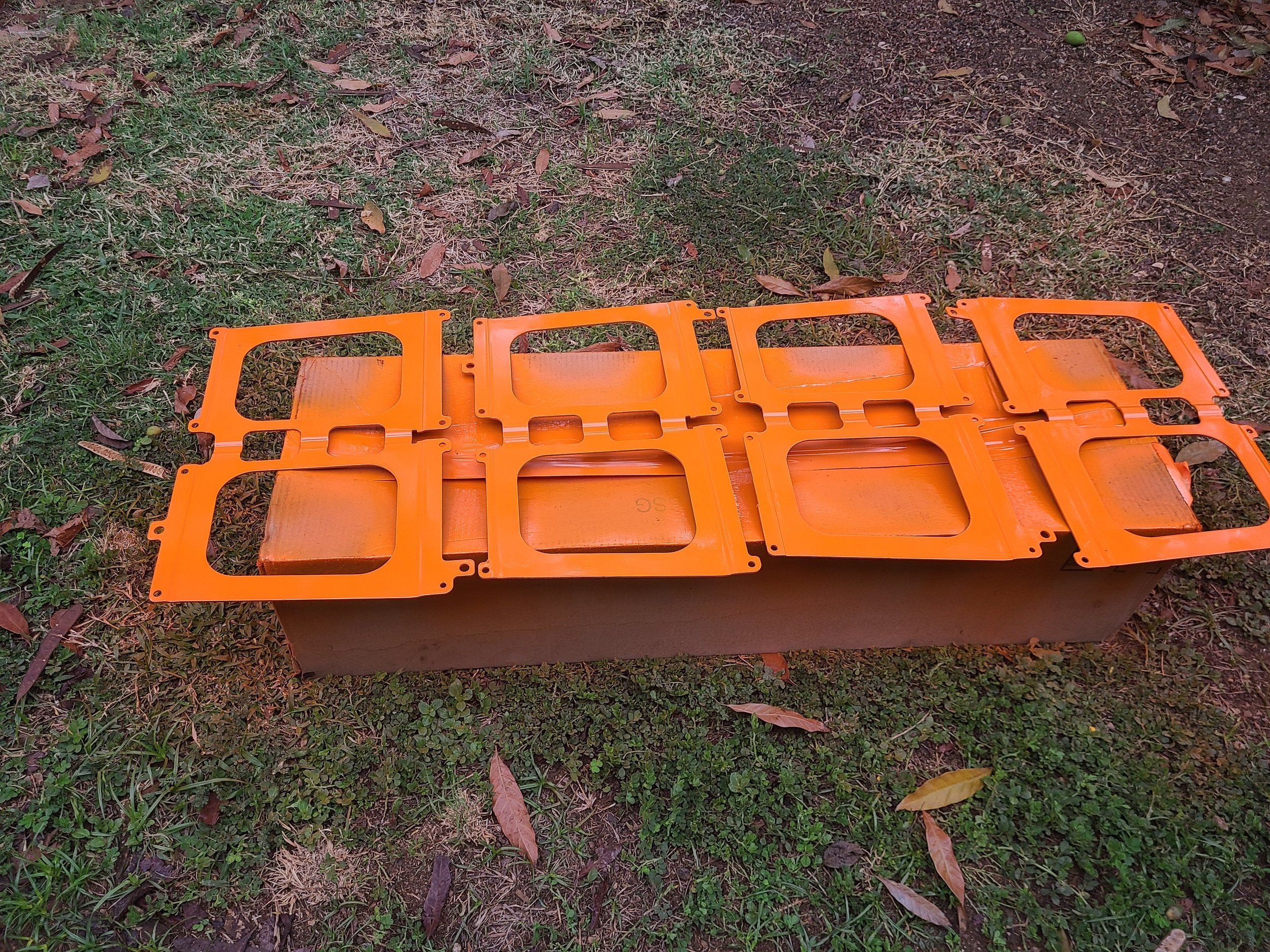
Reconfigure battery modules into safer, better‑packaged packs with fresh wiring and proper mounting.
The goal is to give salvaged components a solid second life in a professionally built conversion, not to simply transplant old problems.
Custom Integration: From Leaf Parts to a Unique Build
Reusing parts from a Leaf doesn’t mean the converted vehicle “becomes a Leaf.” Instead, Leaf components are building blocks inside a completely custom layout.
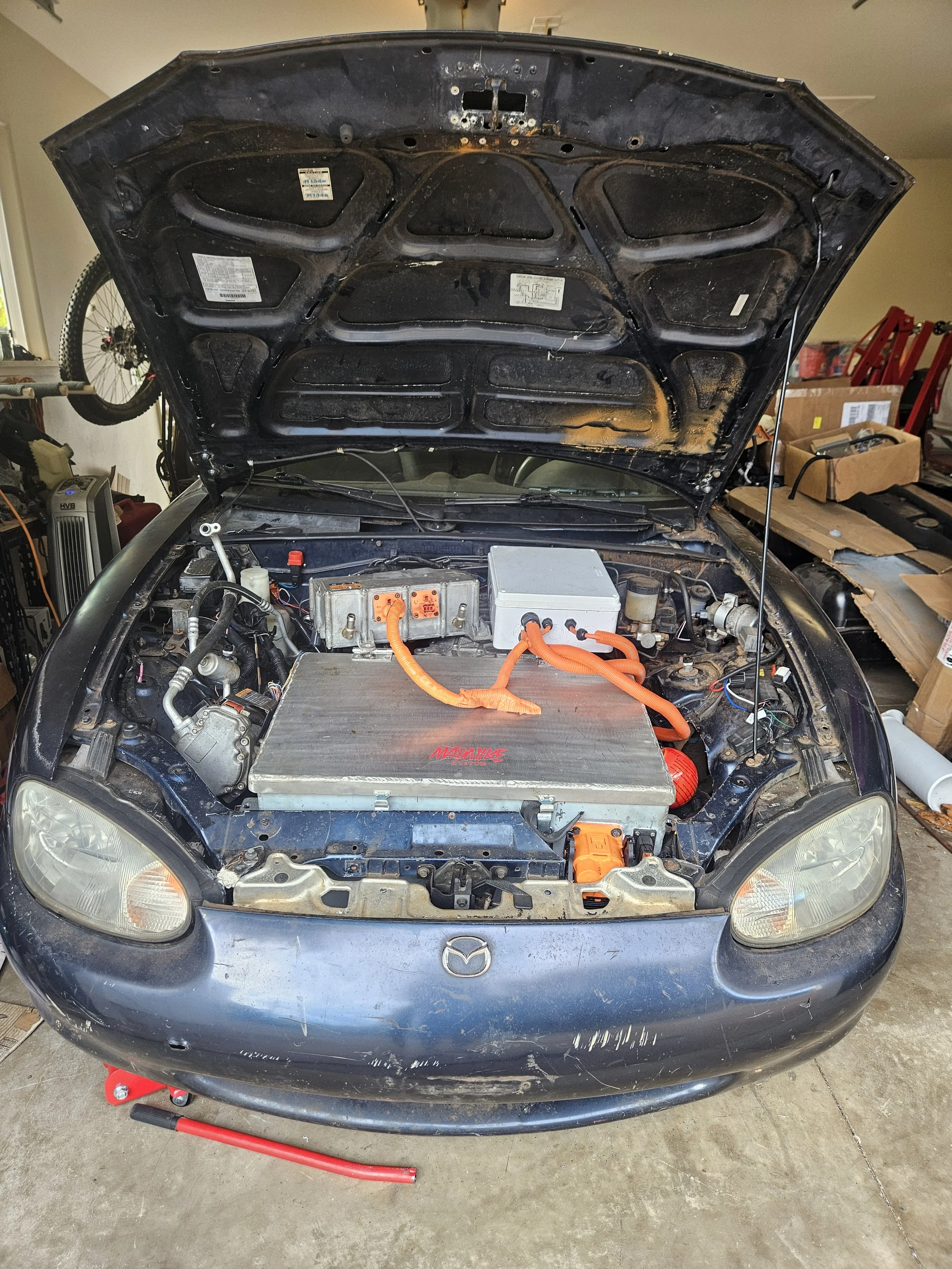
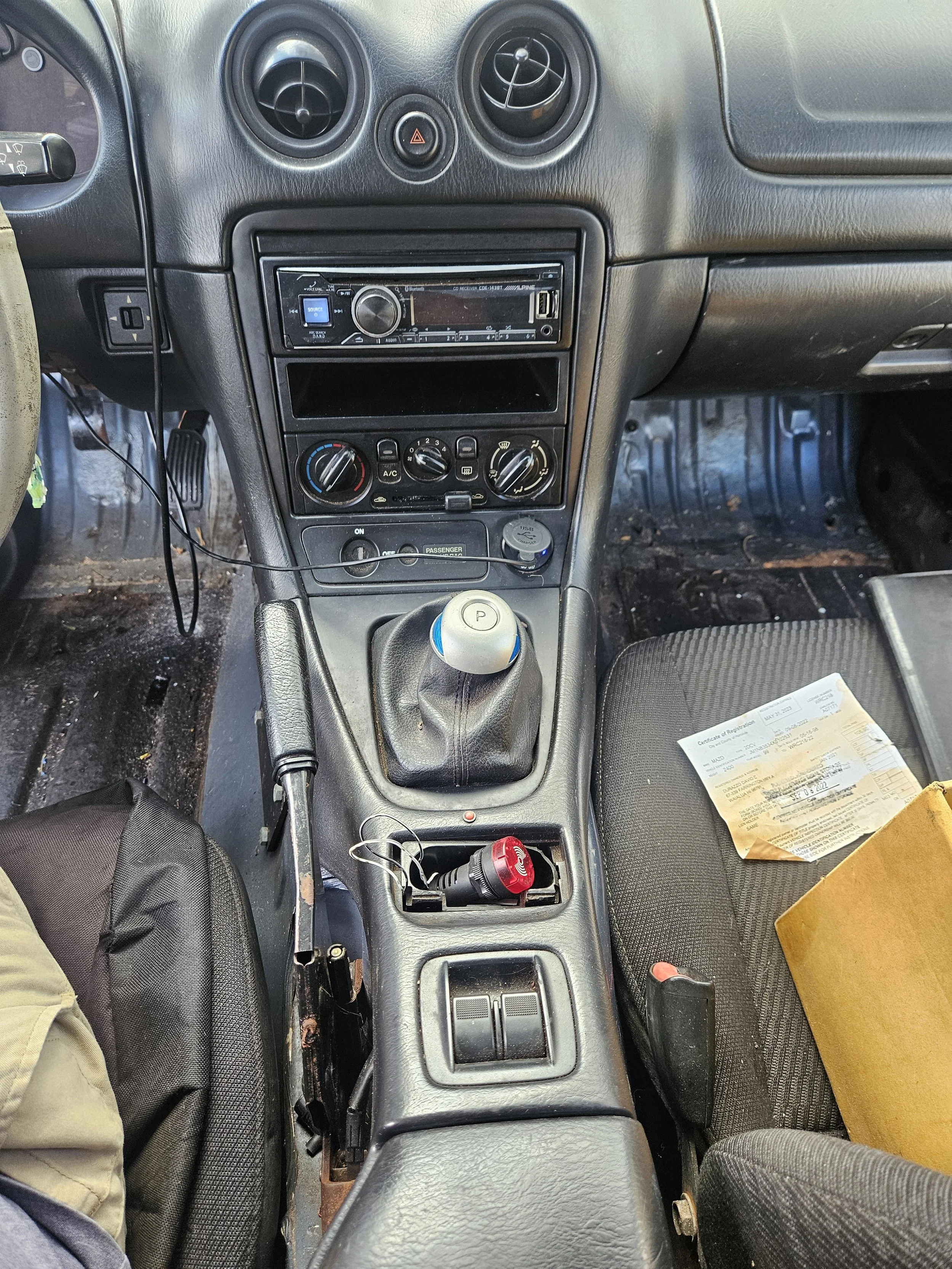
Here’s how that looked in our Mazda Miata and Nissan Frontier conversions:
Motor & Drivetrain
We used the Leaf motor and associated components but:
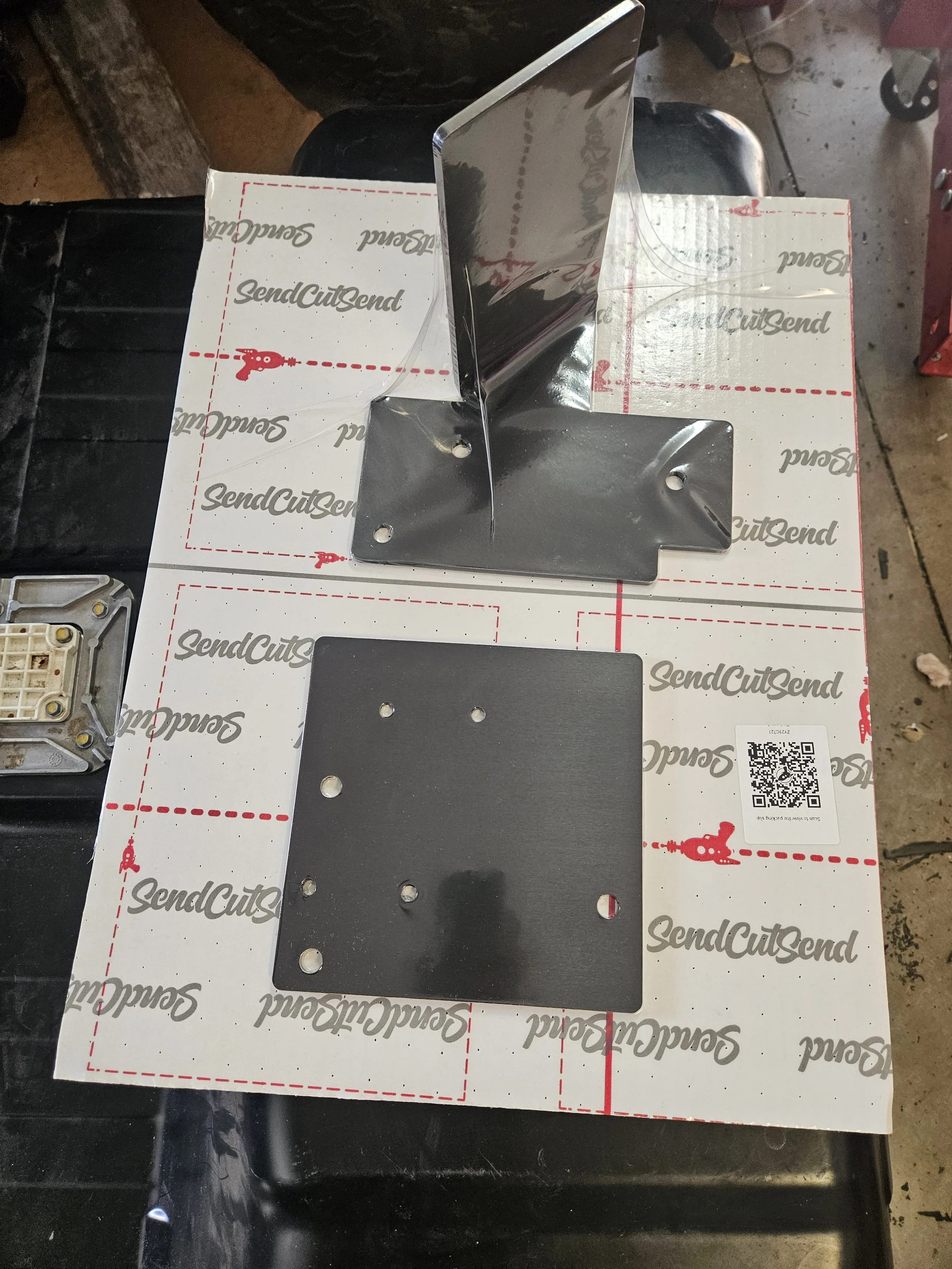
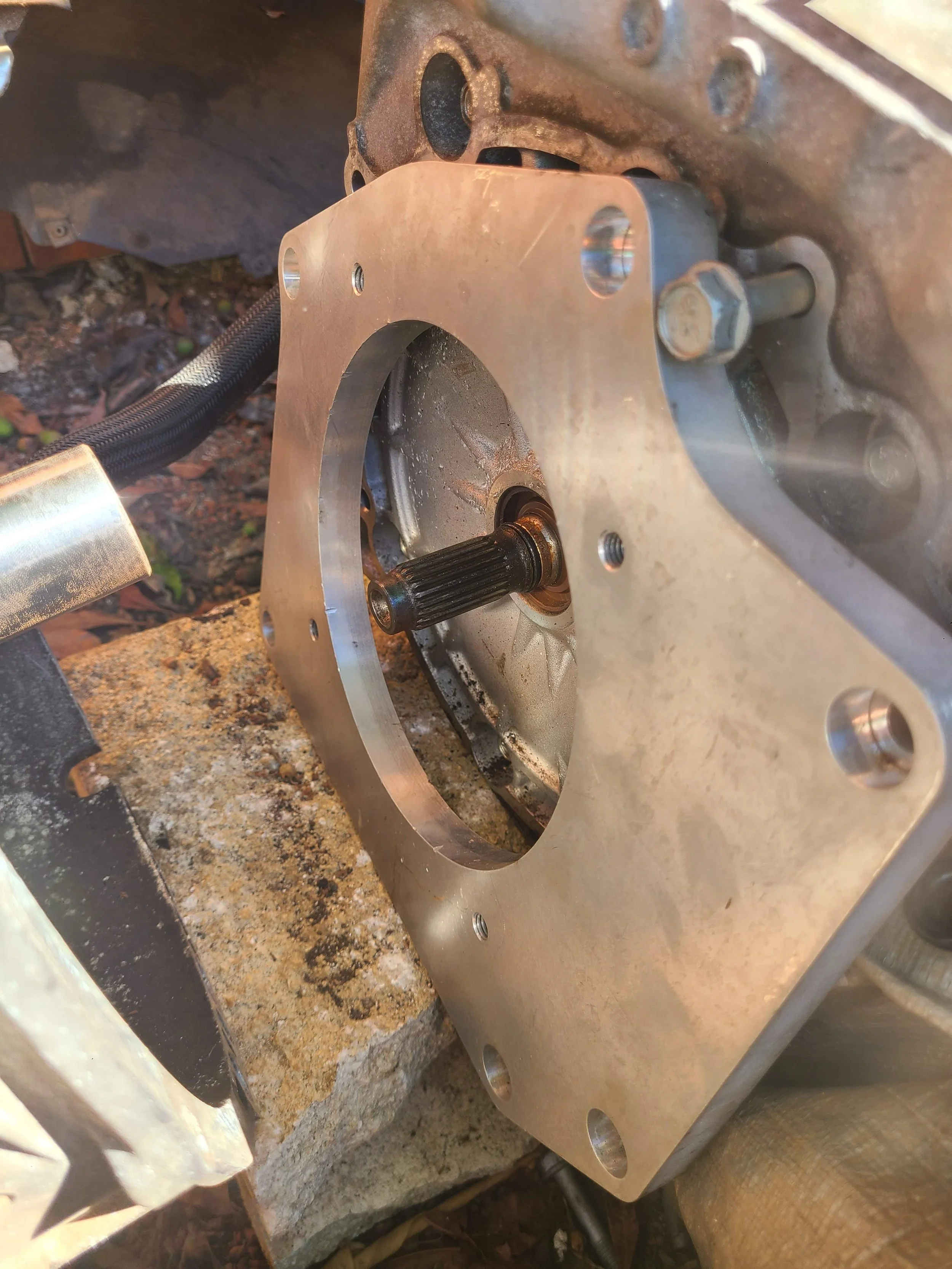
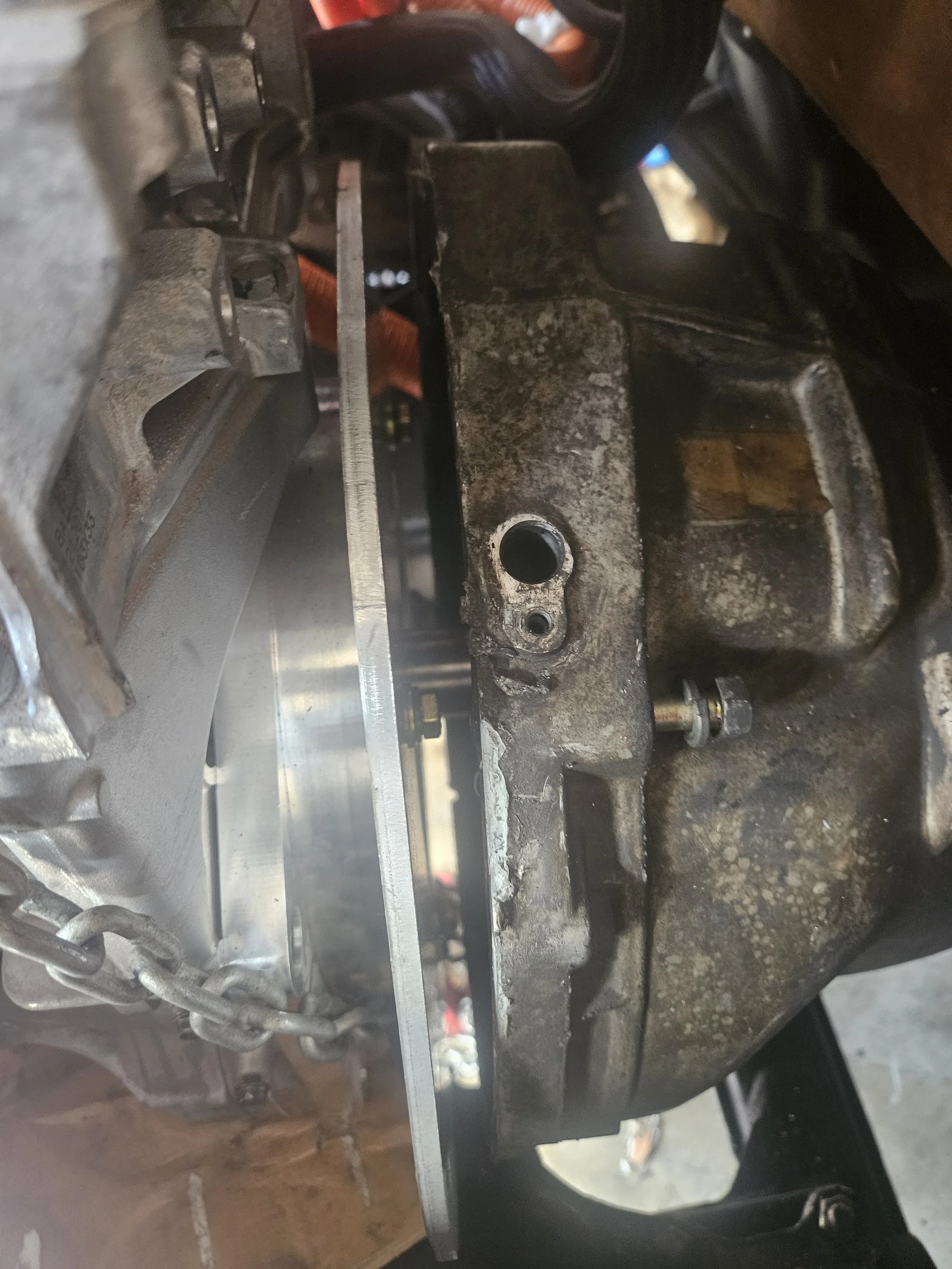
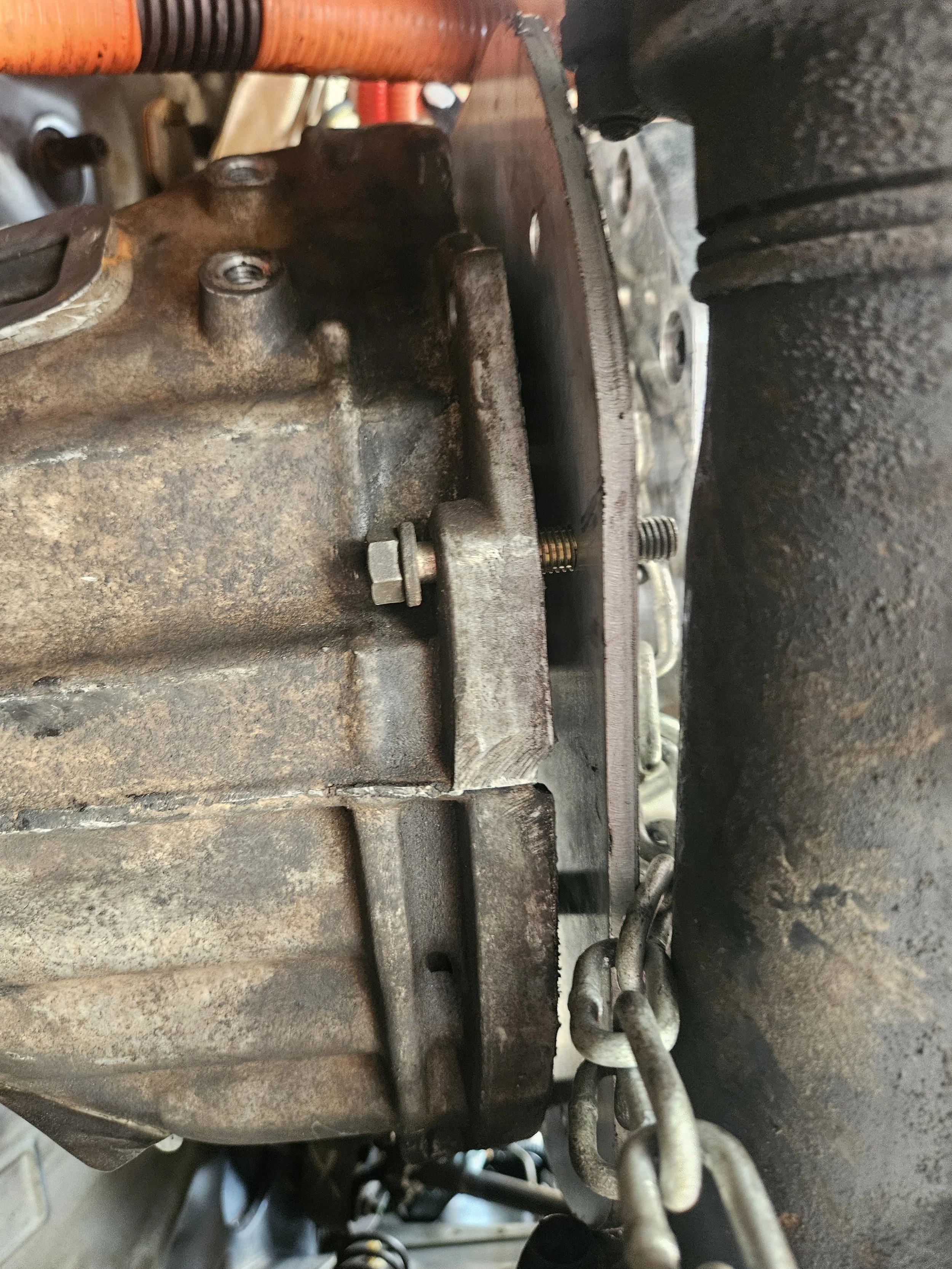
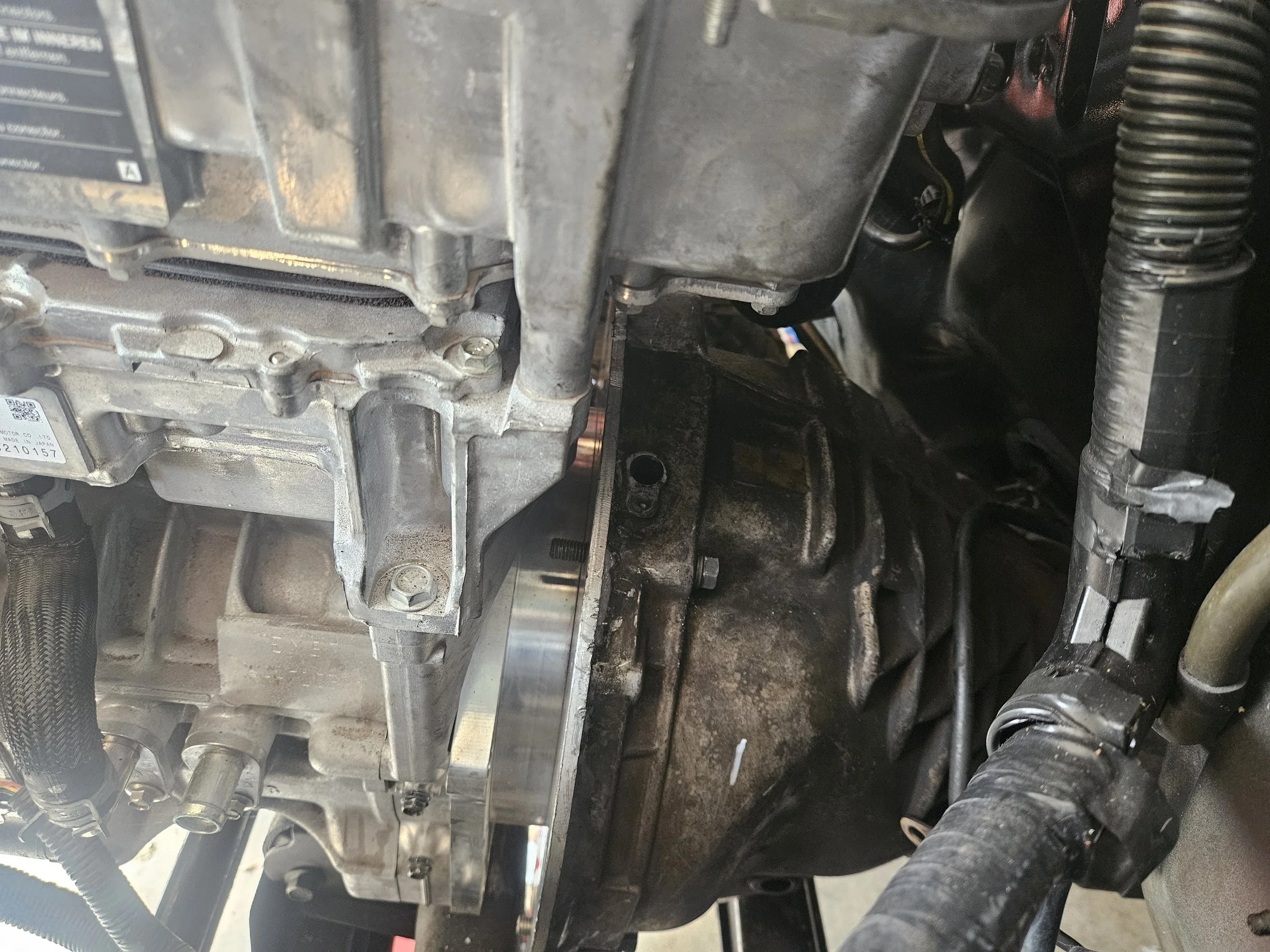
Coordinated design of custom adapter plates to bolt the motor to the vehicle’s transmission.
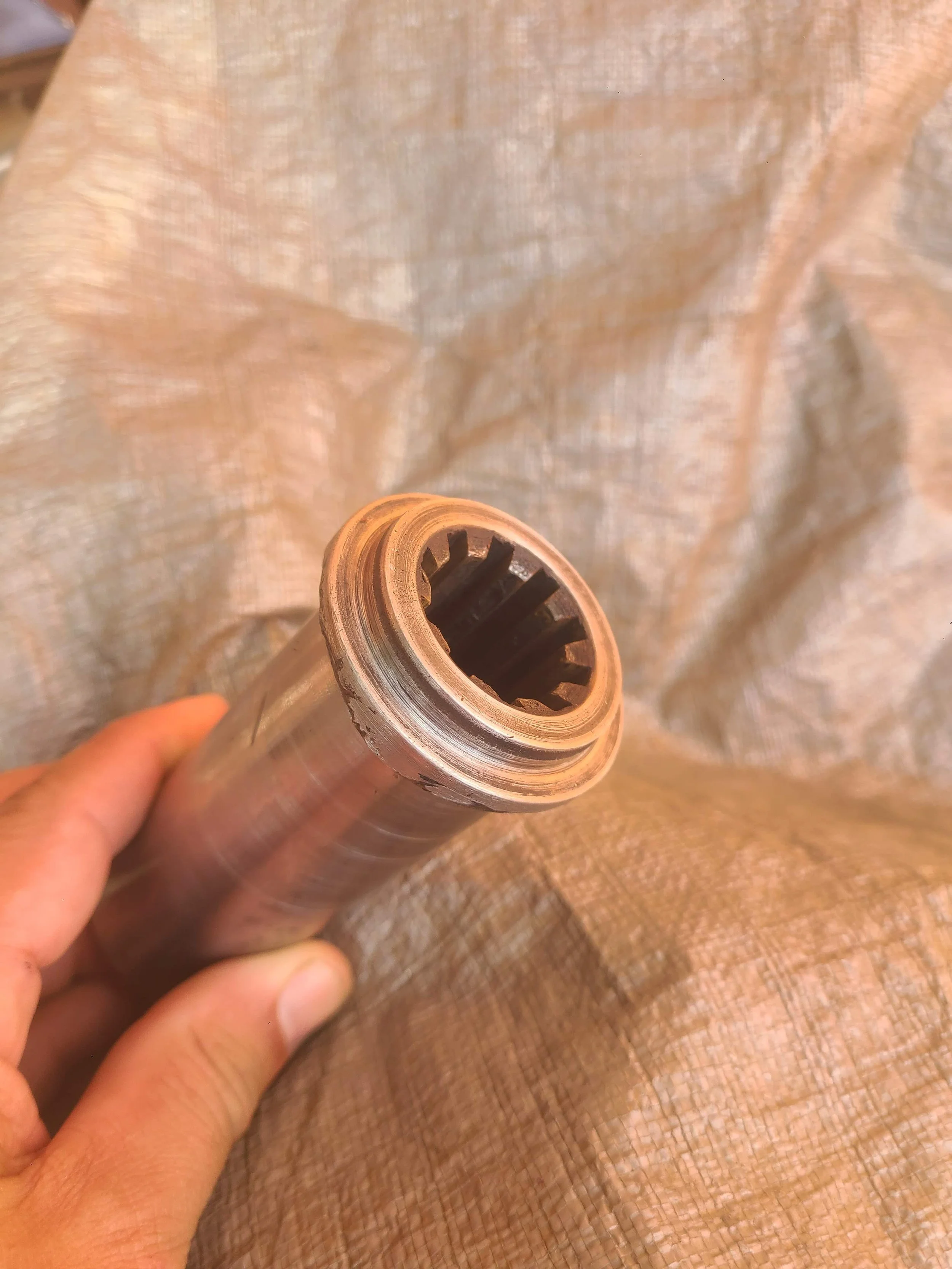
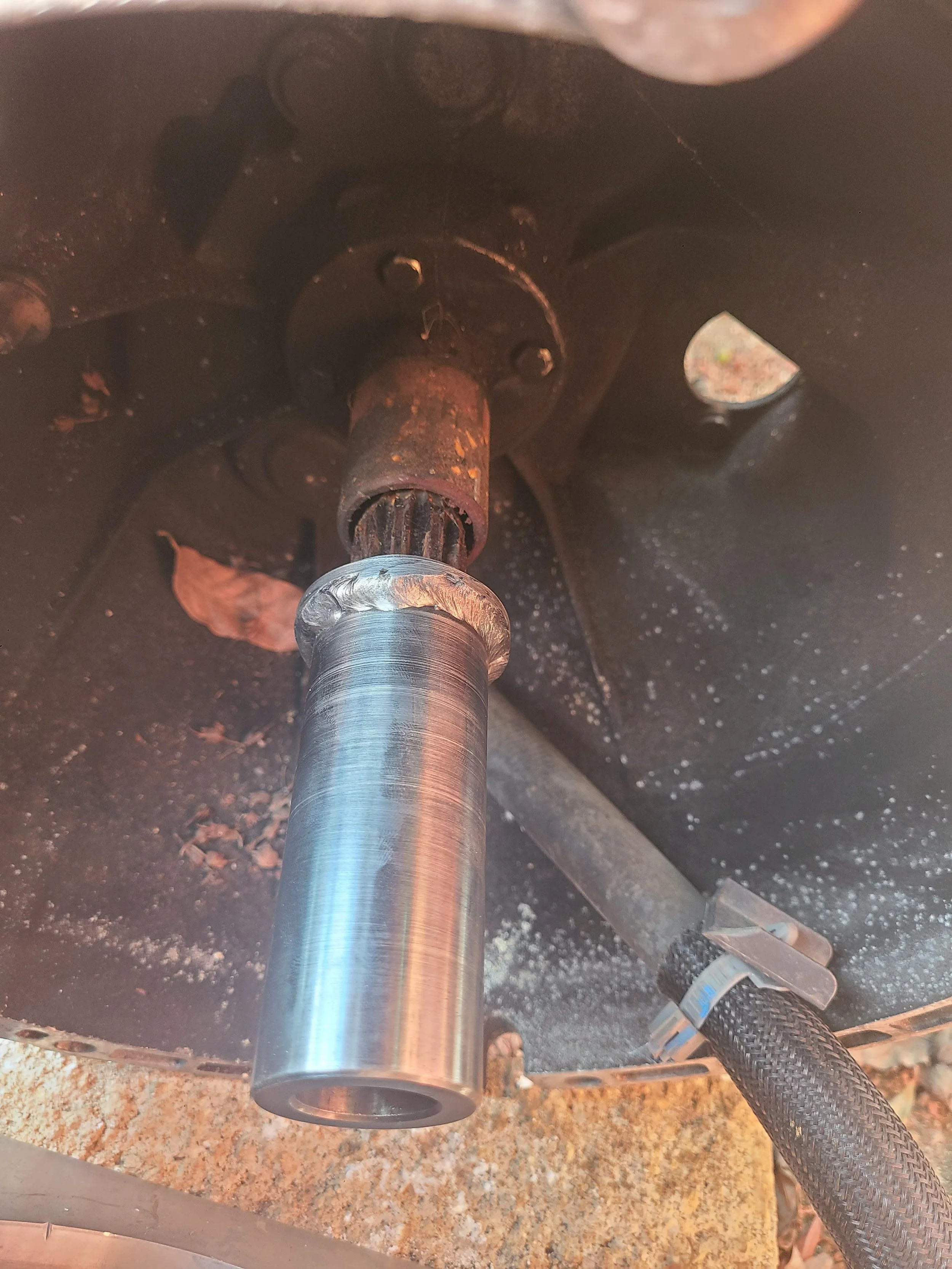
Hired a local machine shop to fabricate motor couplers to connect the motor shaft to the original drivetrain.
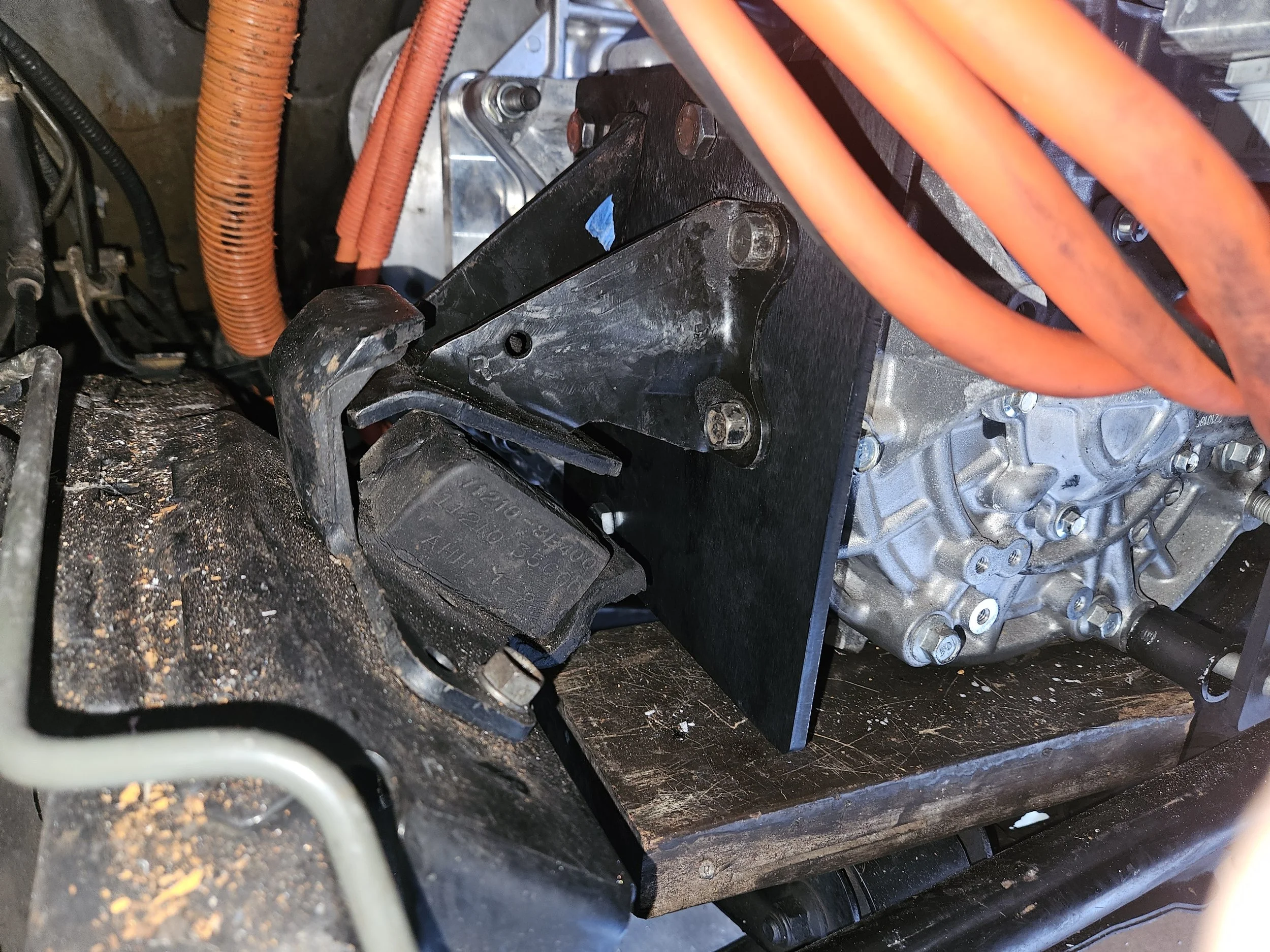
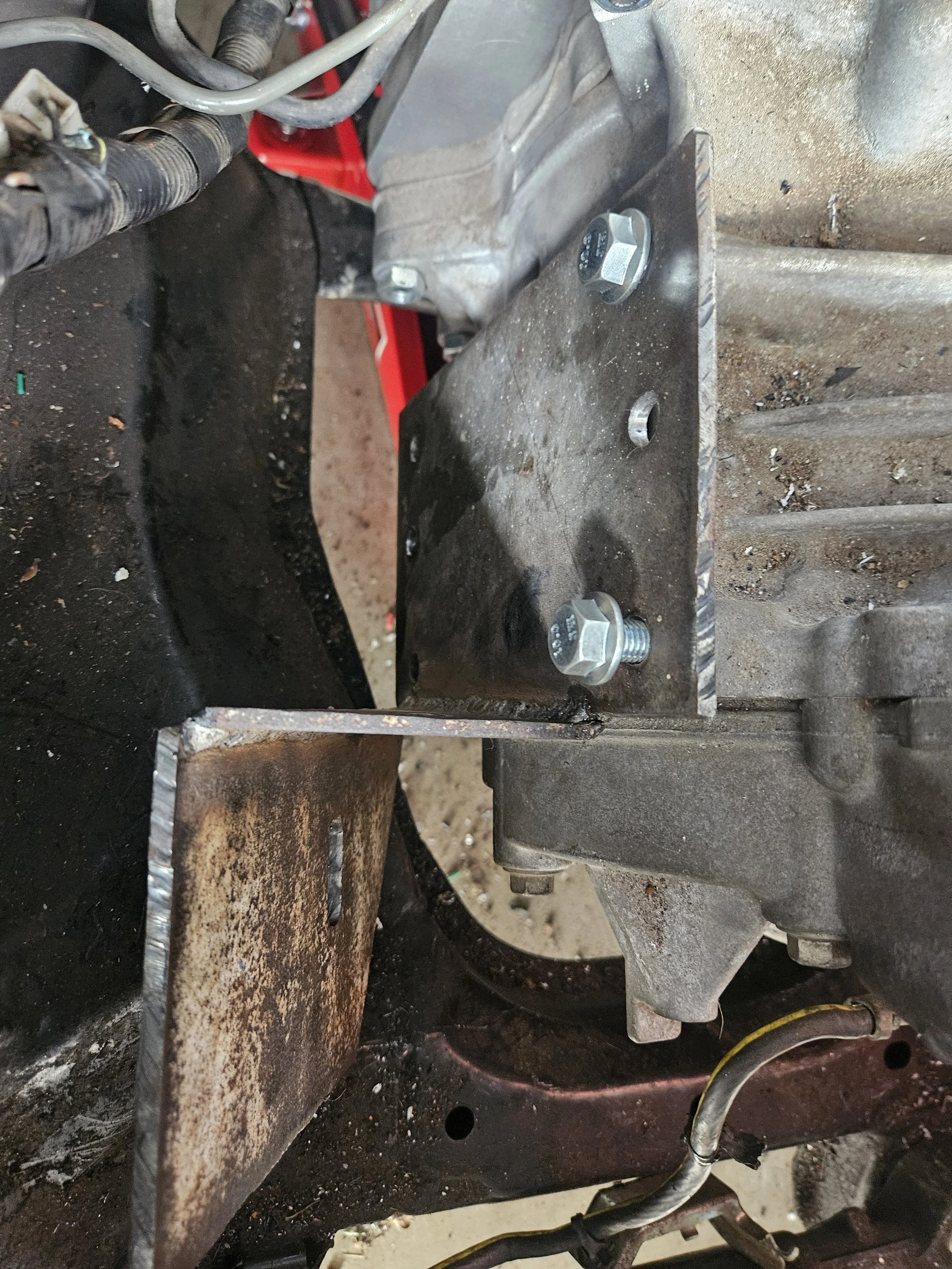
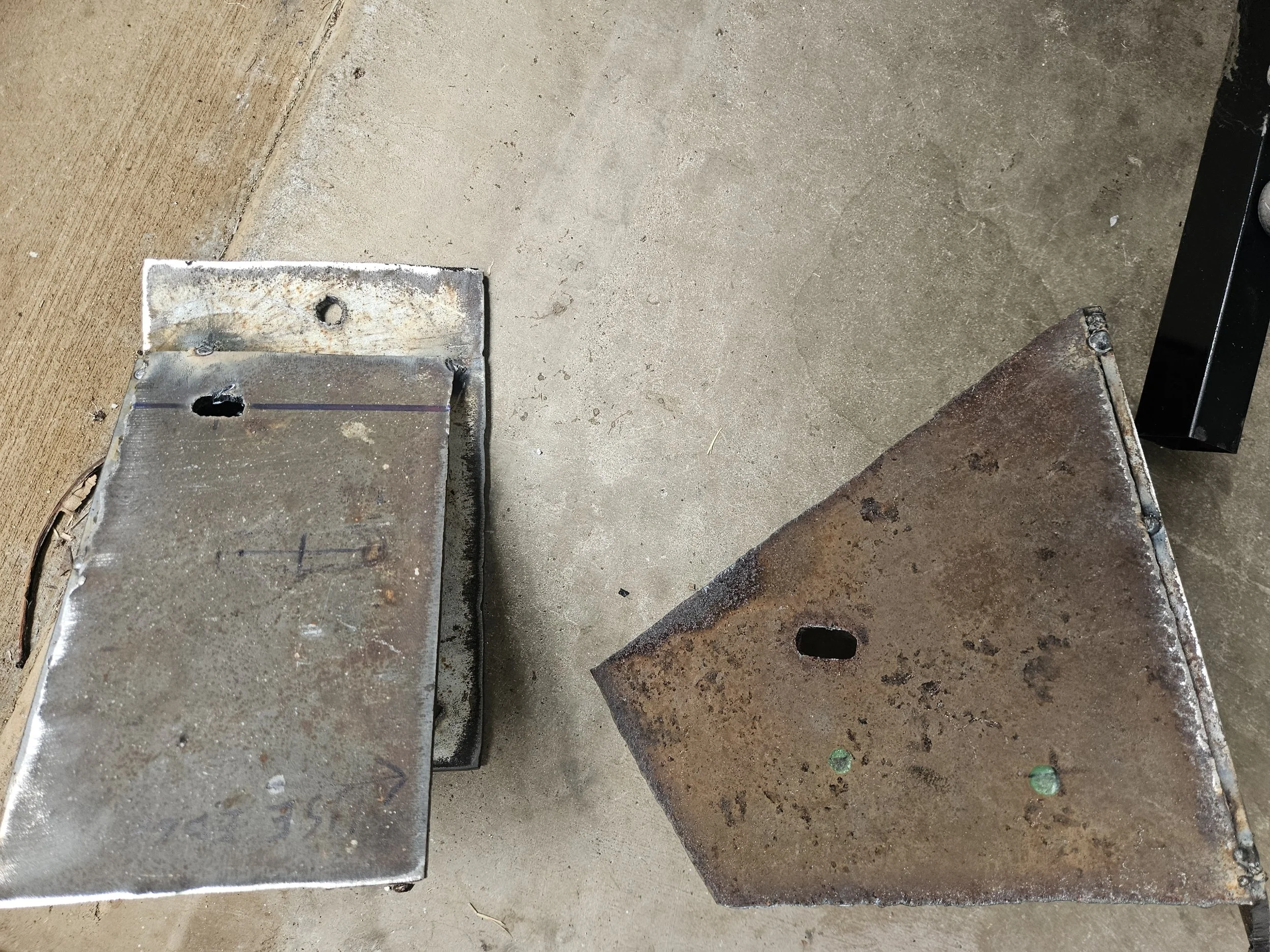
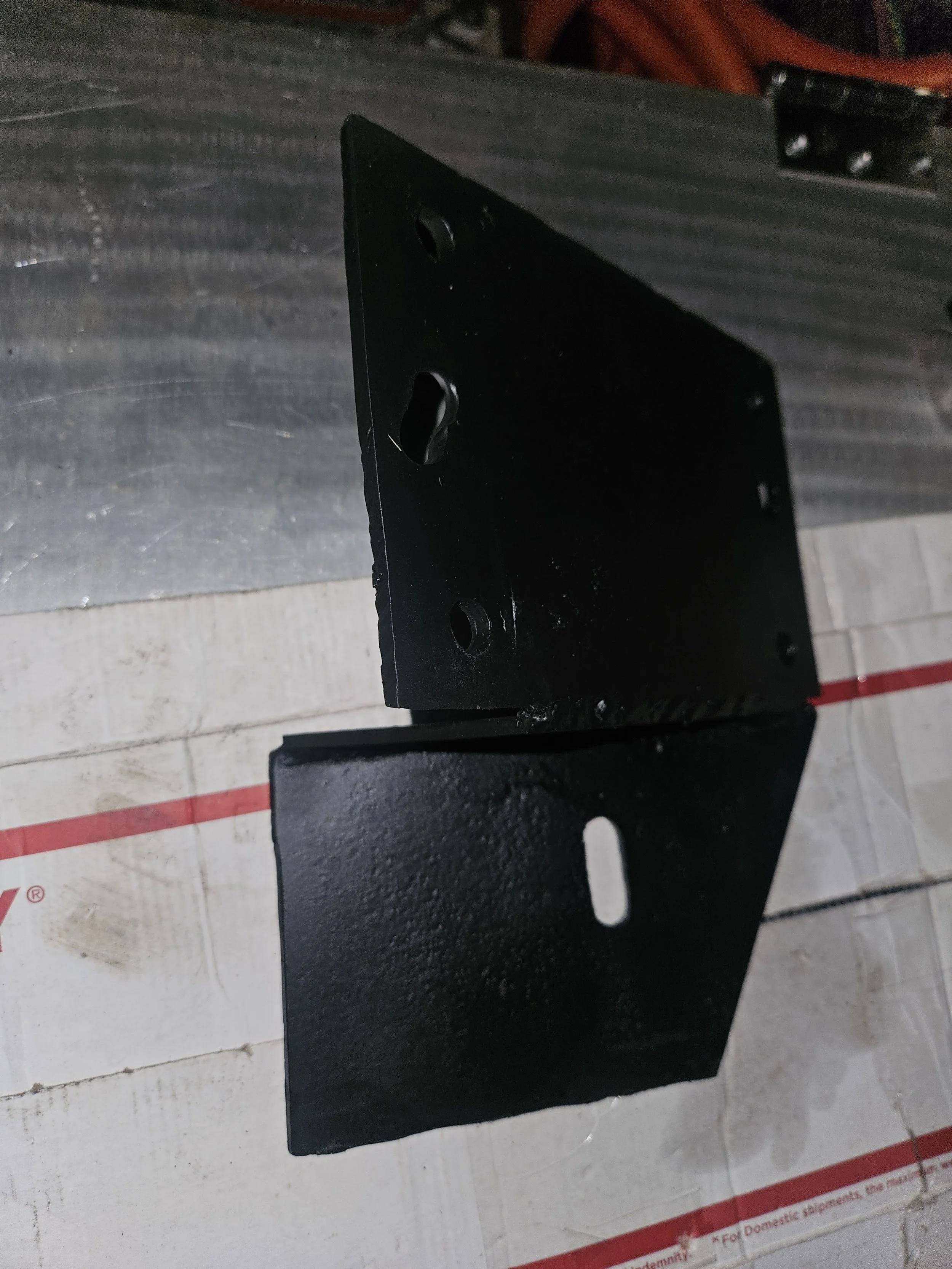
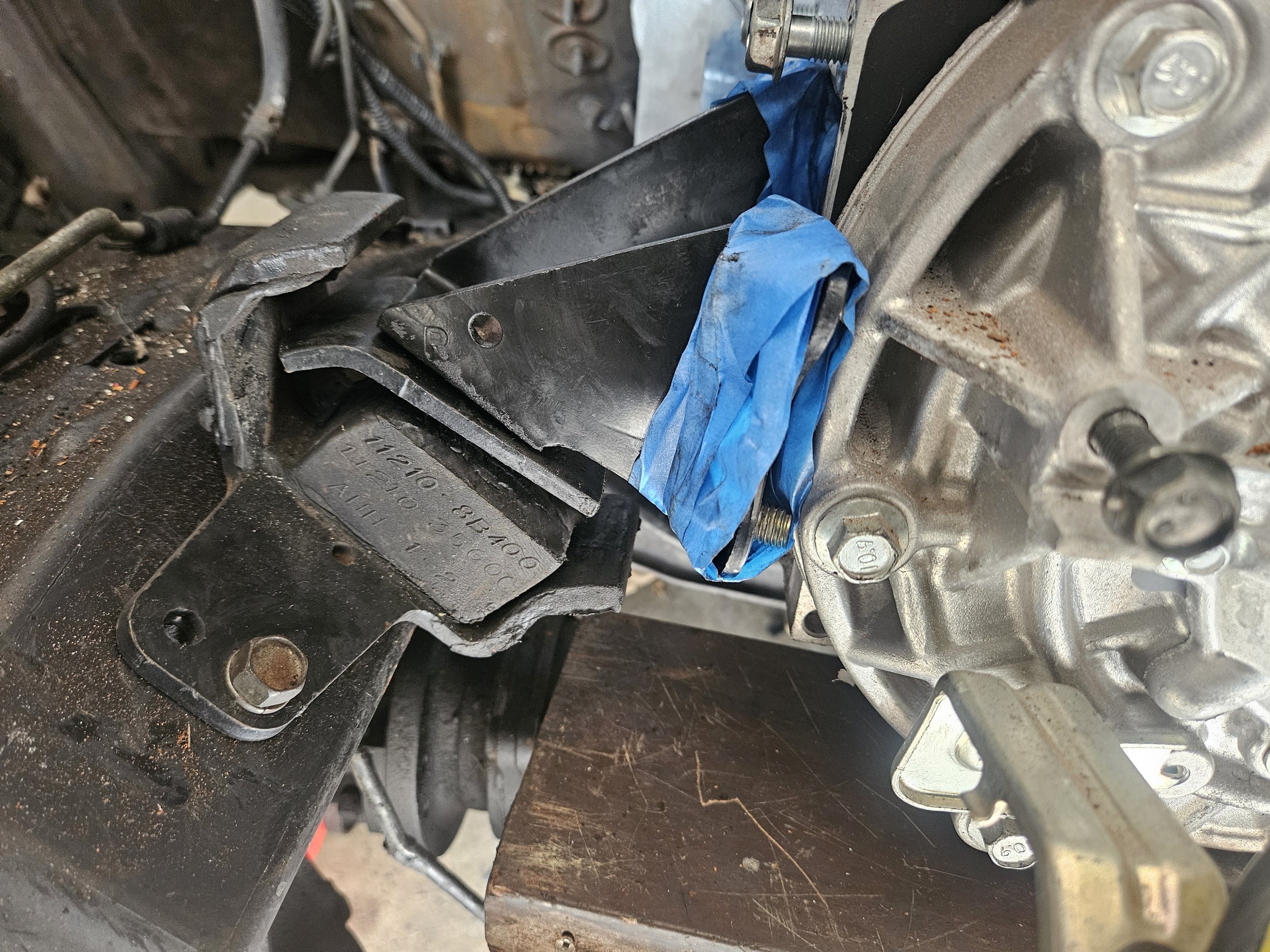
Designed custom motor mounts to secure the drive unit in the engine bay.
The Miata’s custom motor mount was assembled by a local welder.
The Frontier’s motor mount was designed in CAD, then cut, drilled, bent, and finished for high precision.
Battery Pack
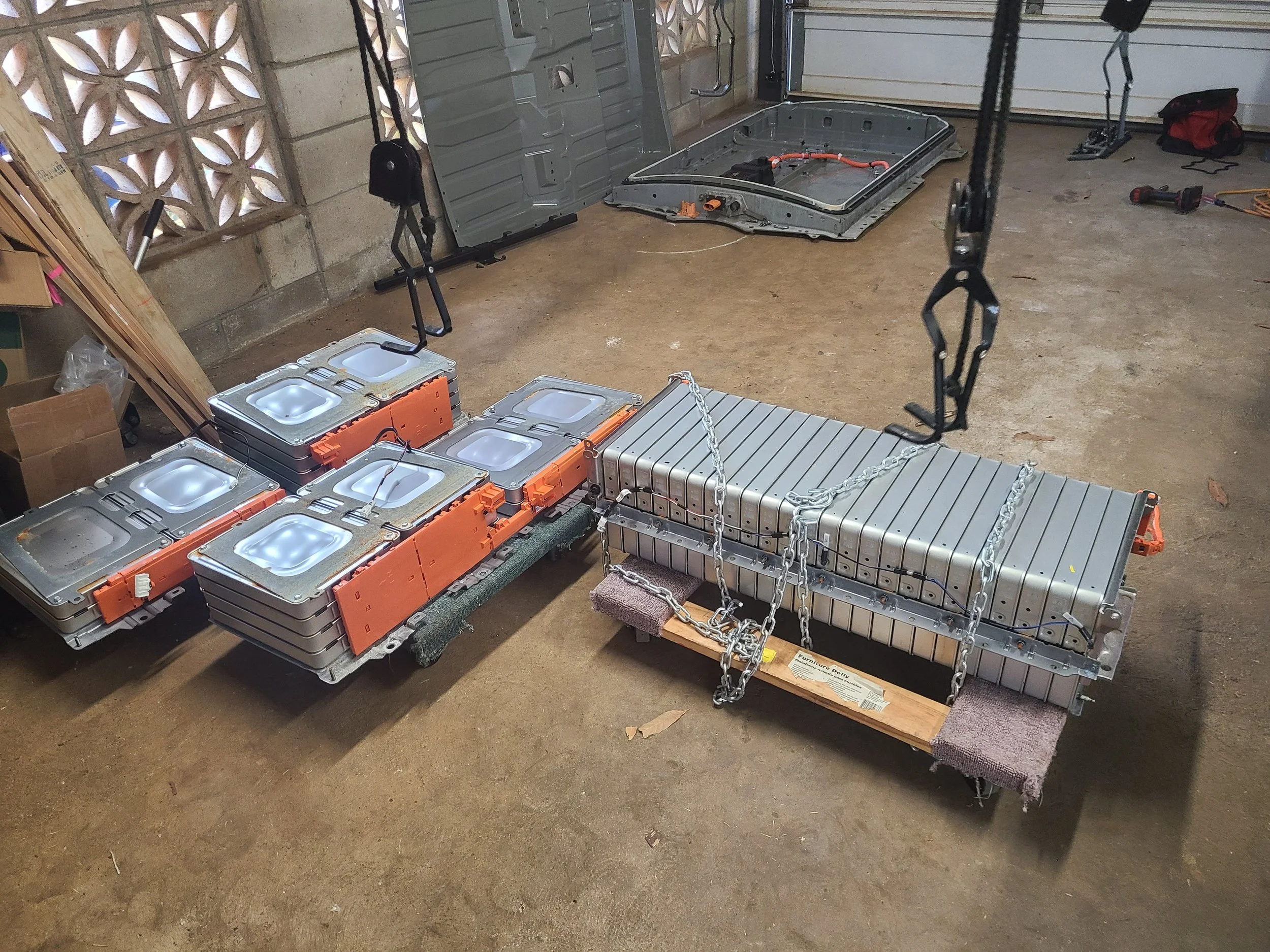
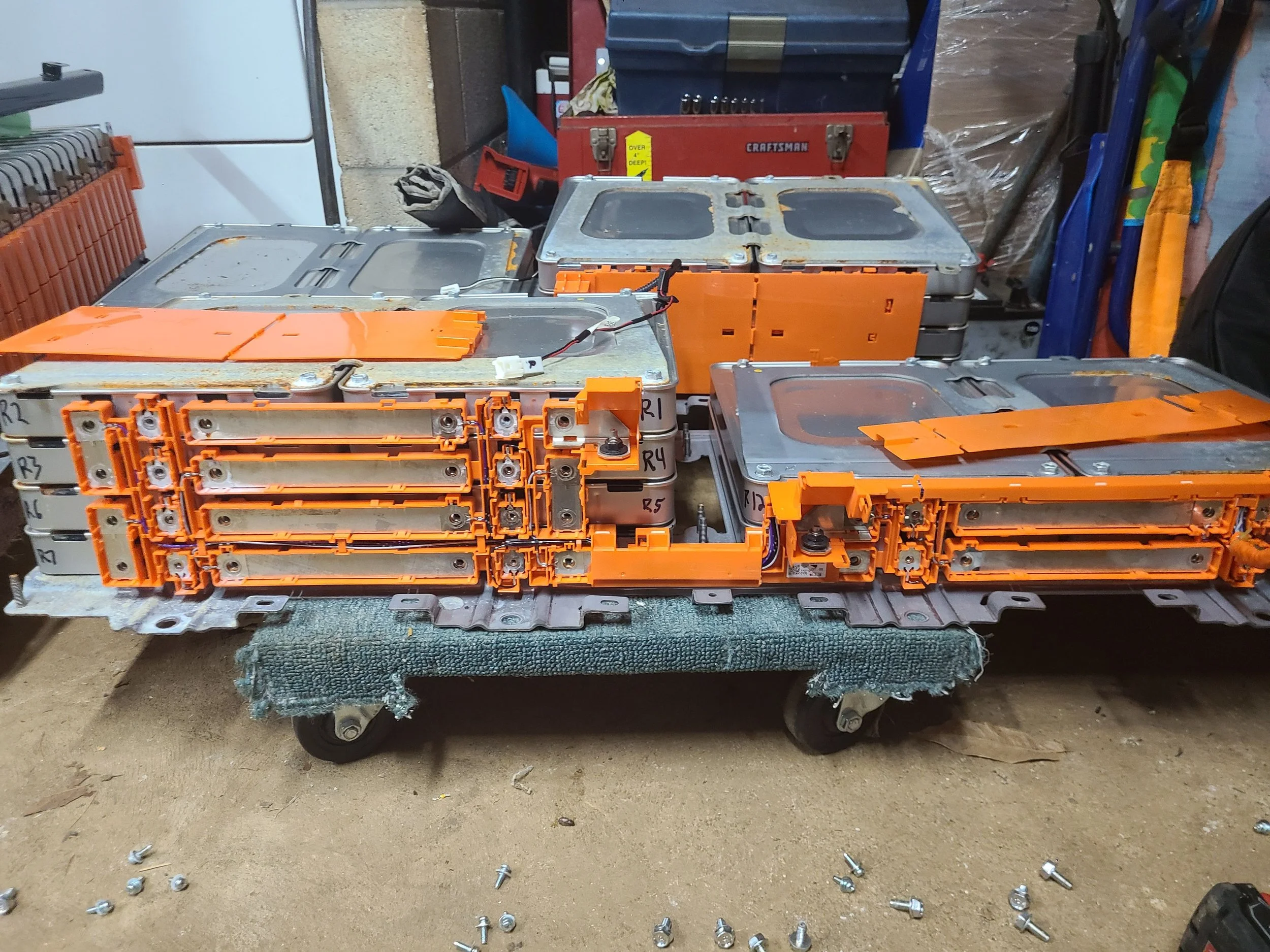
Leaf battery modules were removed from their original case and rearranged to:
Fit the vehicle’s frame and underbody layout,
Maintain ground clearance, weight balance, and/or 4x4 capability, and
Provide the desired range for island driving without oversizing the pack.
We then added:
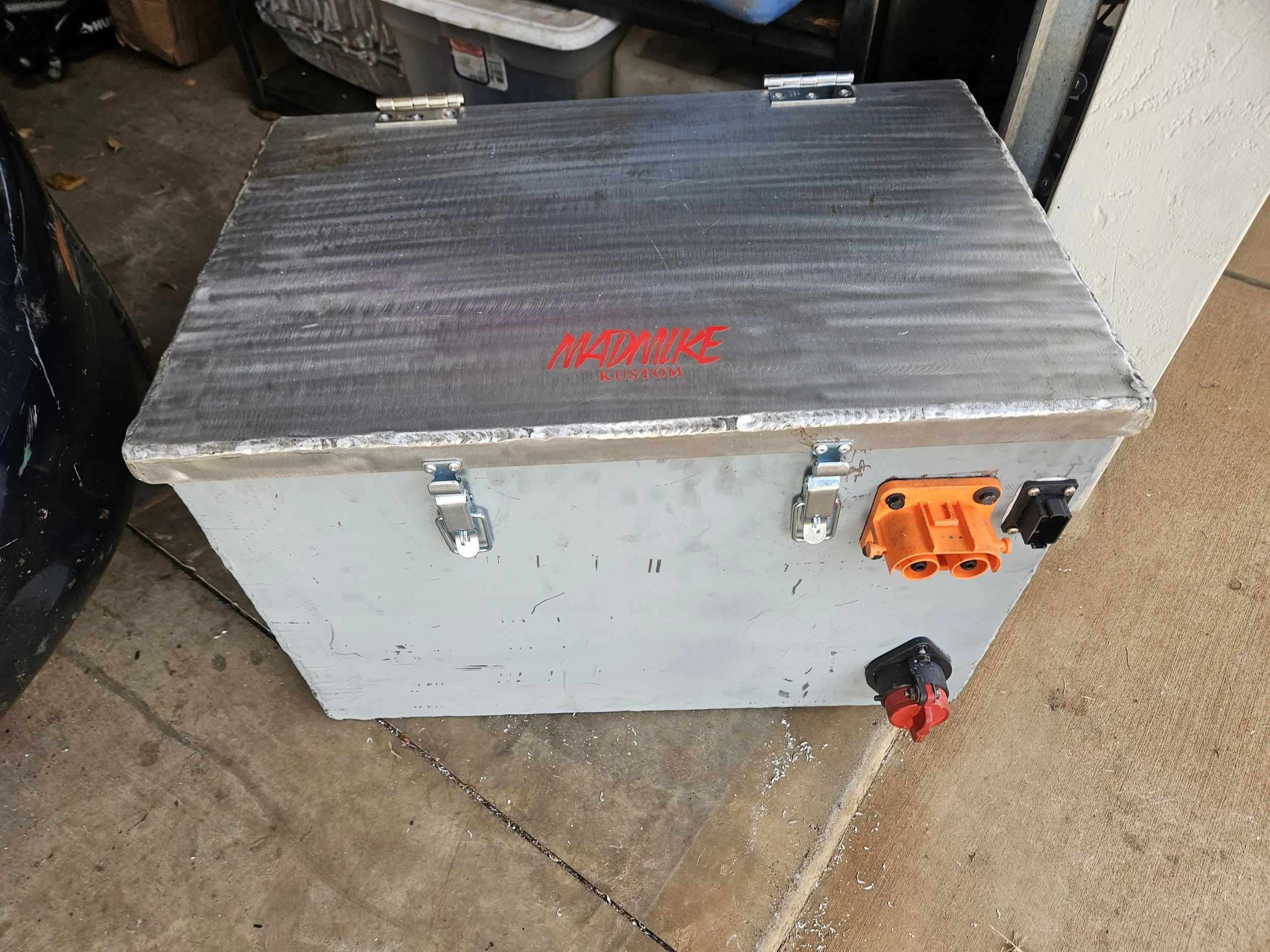
New enclosures and mounting structures,
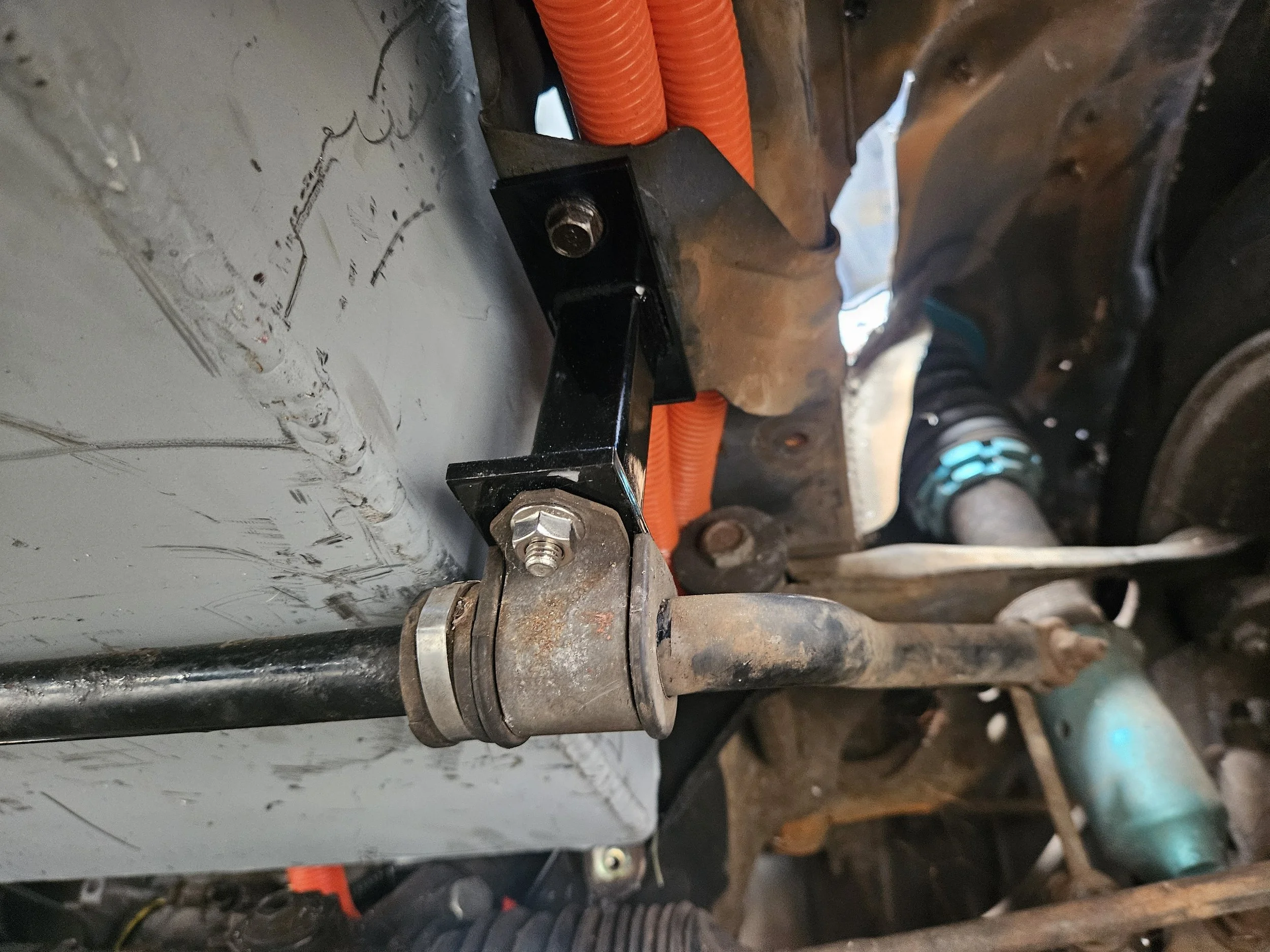
Fresh high‑voltage cabling, and
Proper venting and protection for real‑world road use.
Control Electronics
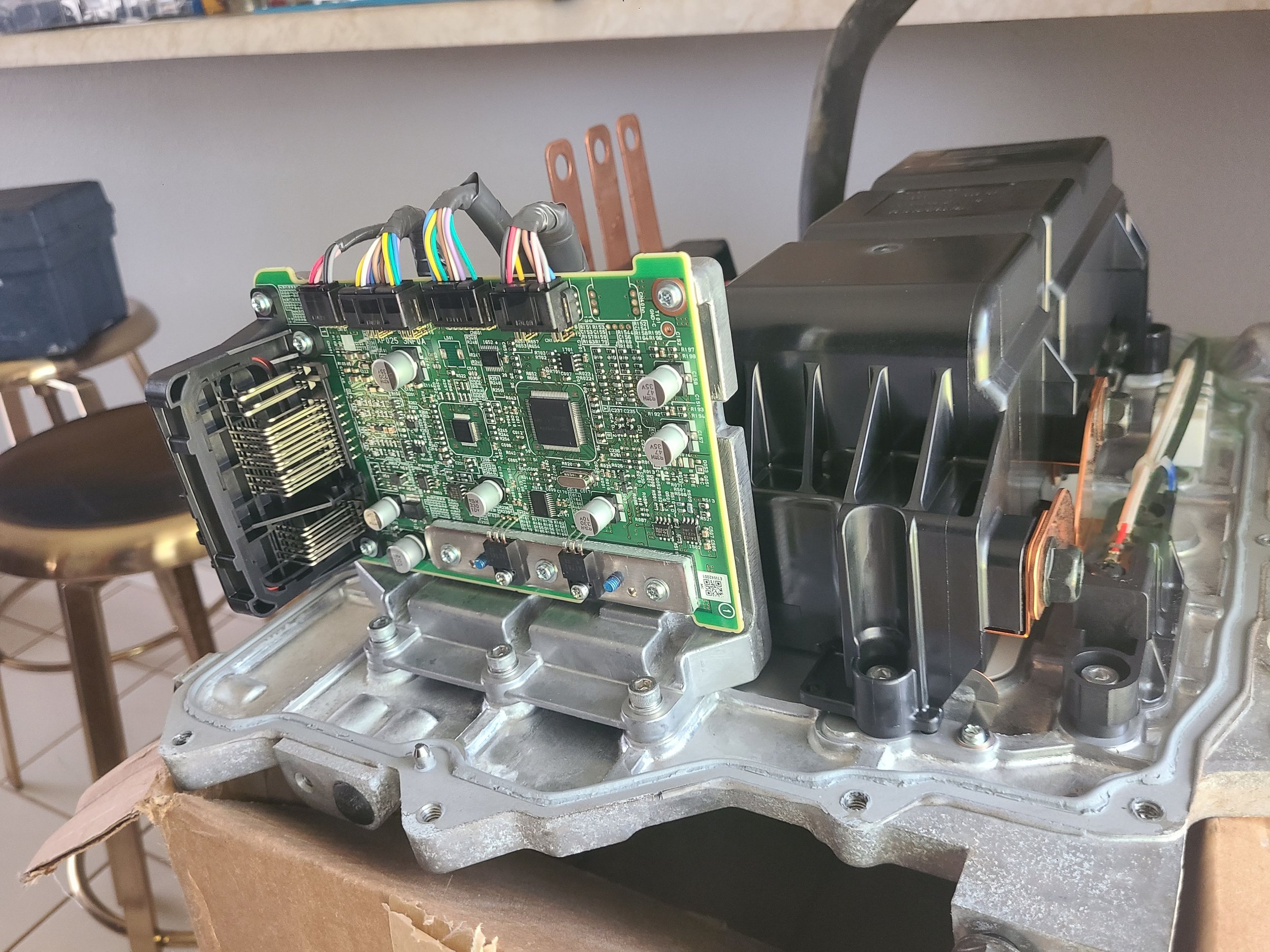
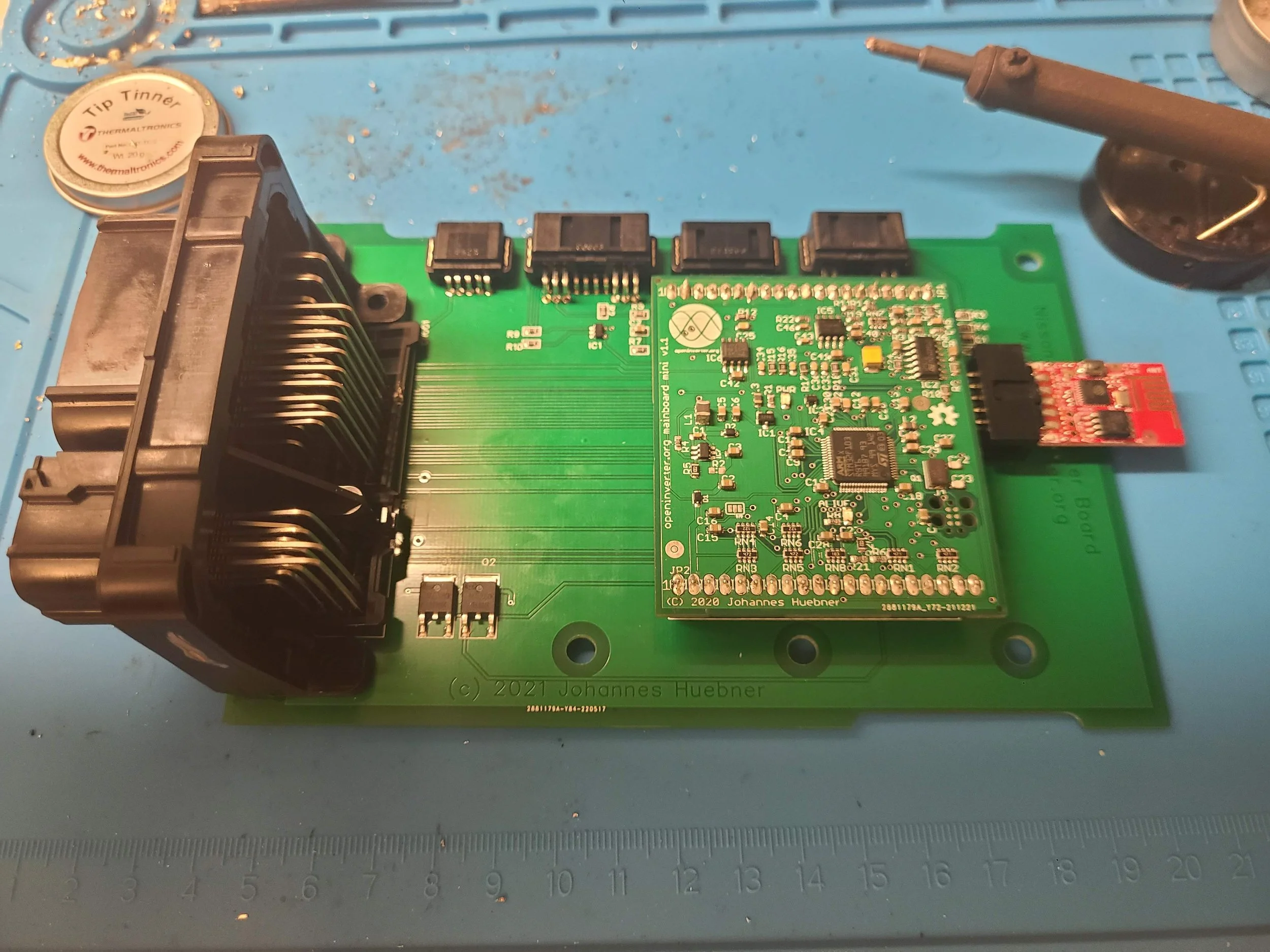
We leveraged both:
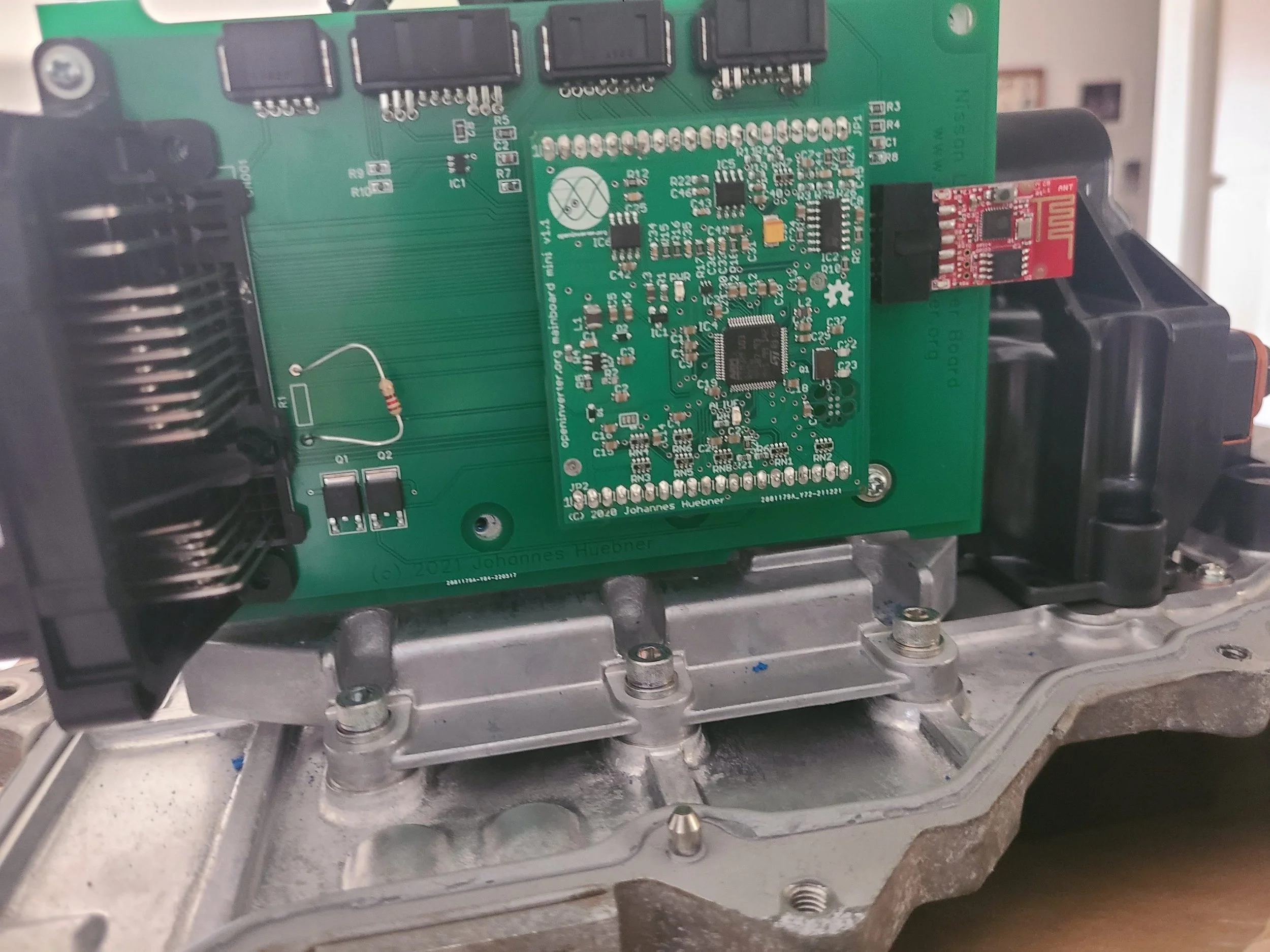
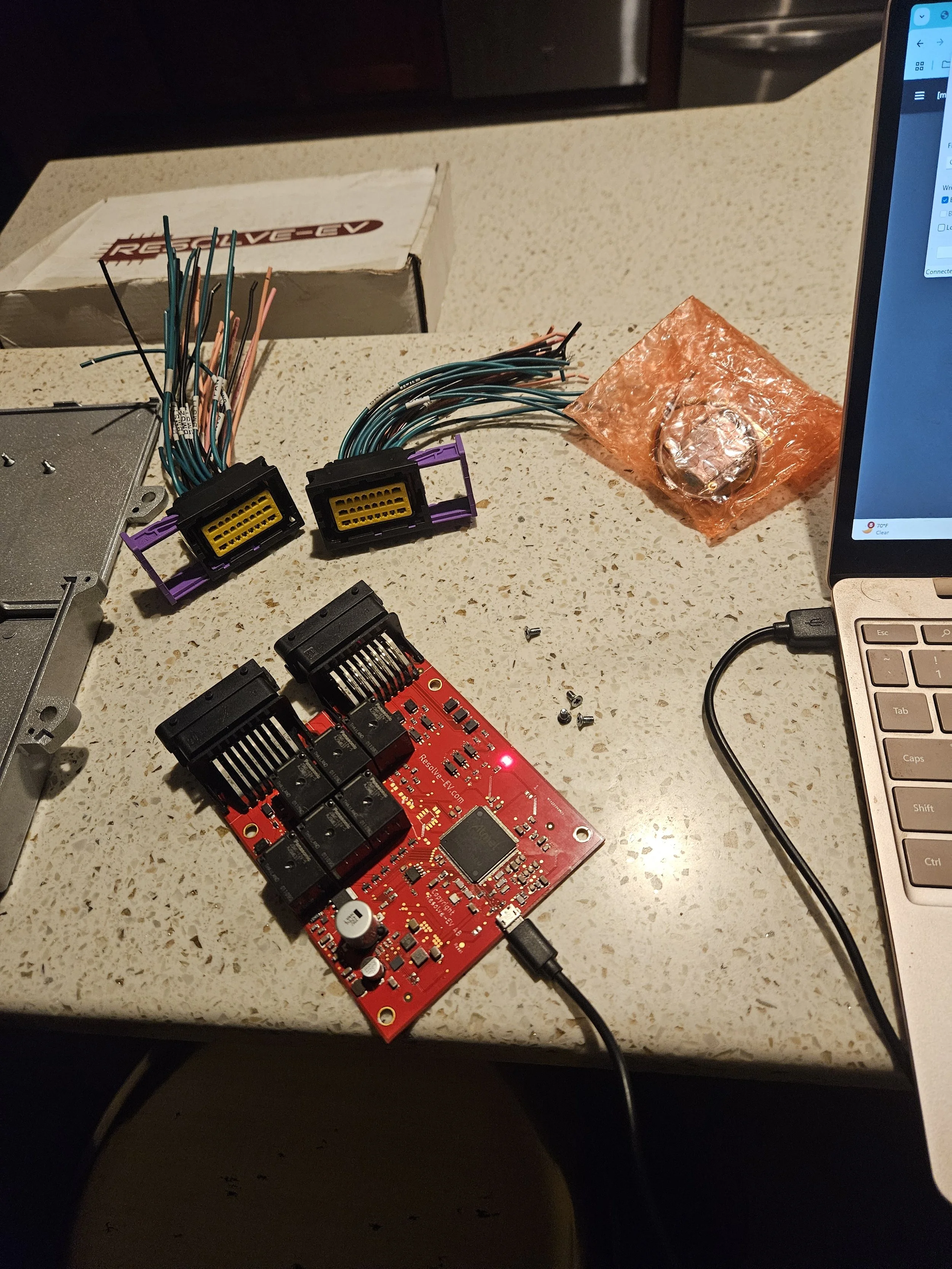
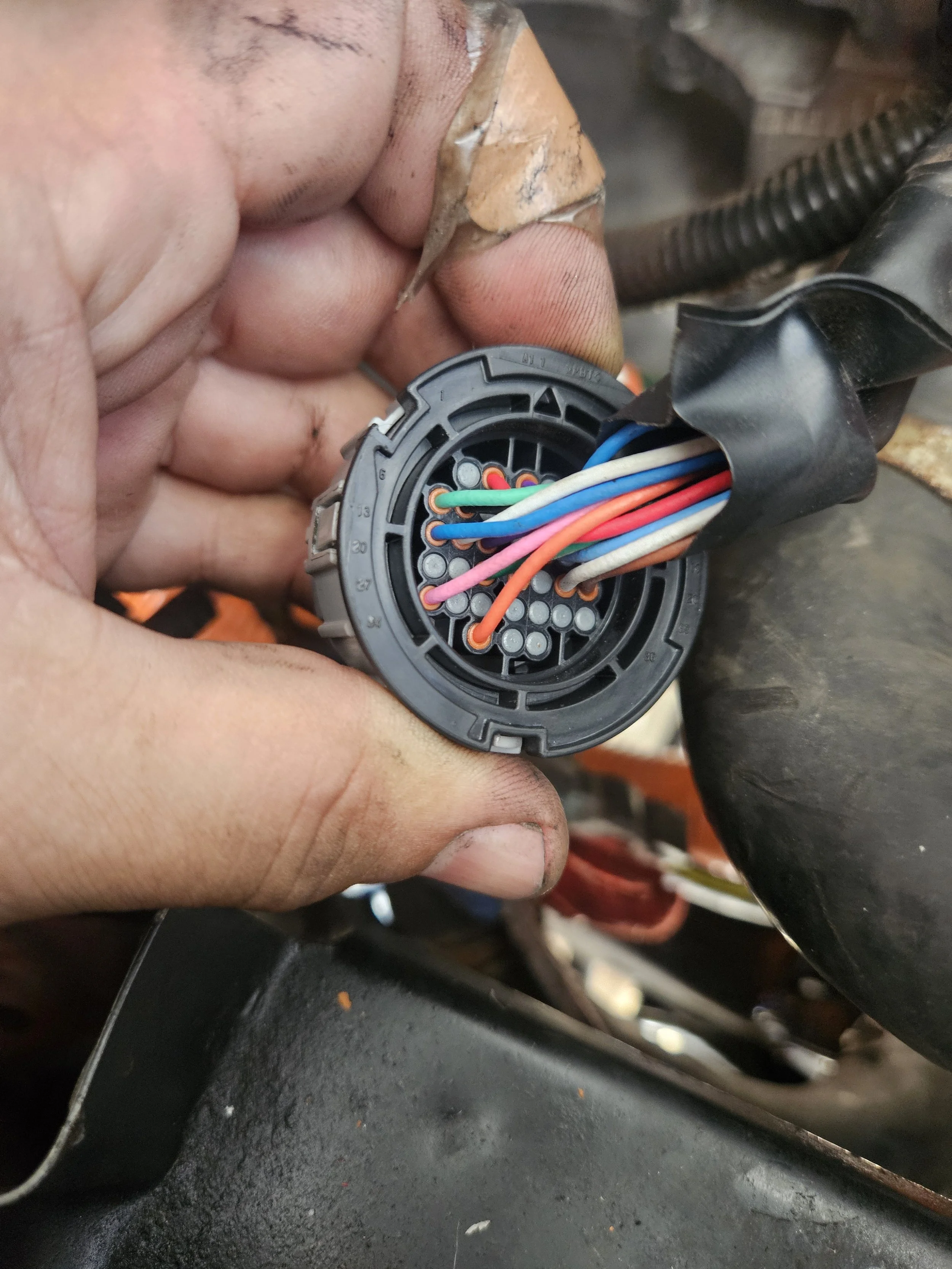
OEM Leaf inverter hardware, and
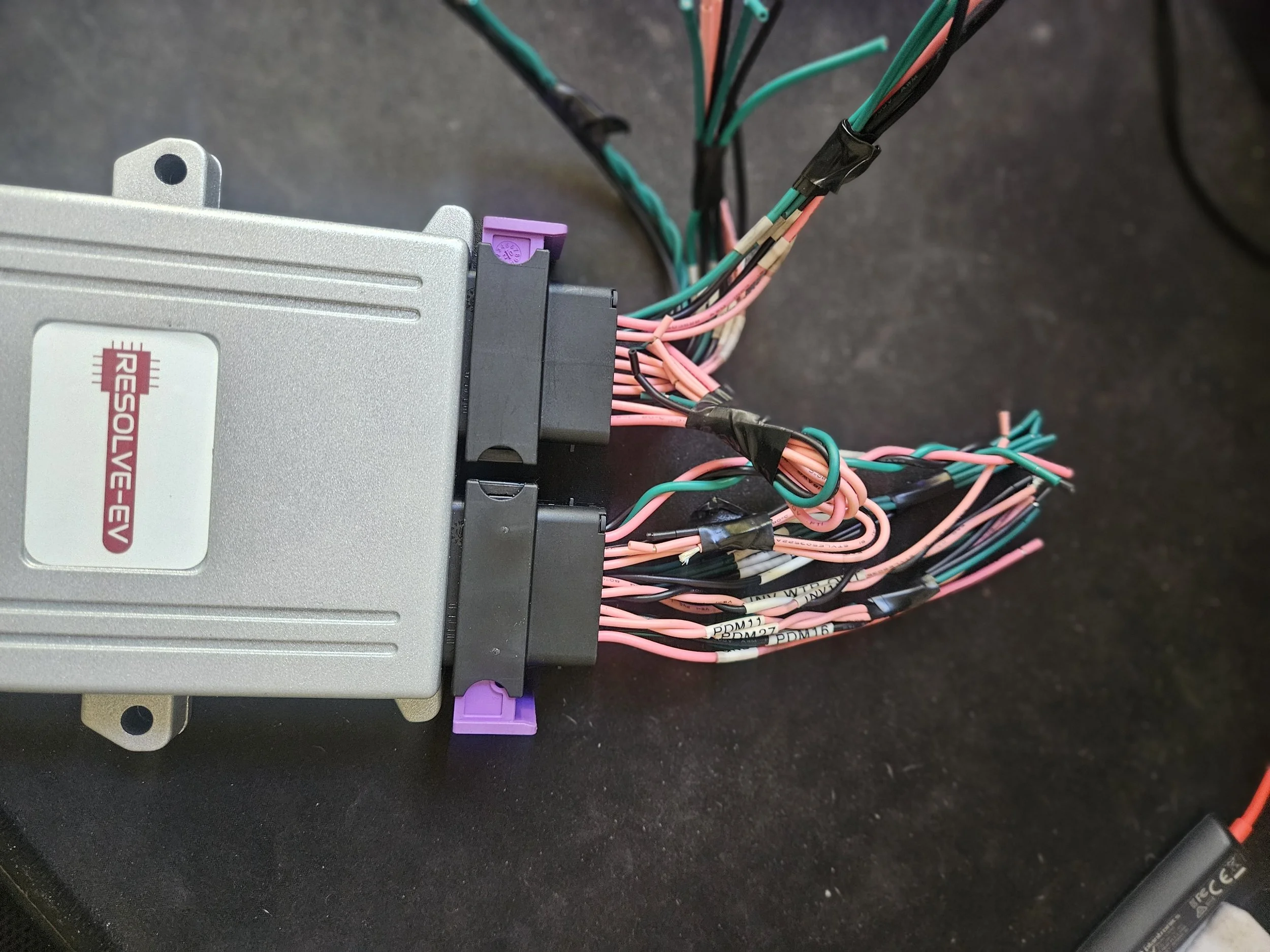
Open‑source and aftermarket control boards,
to create a system that:
Works smoothly with the Leaf drive unit,
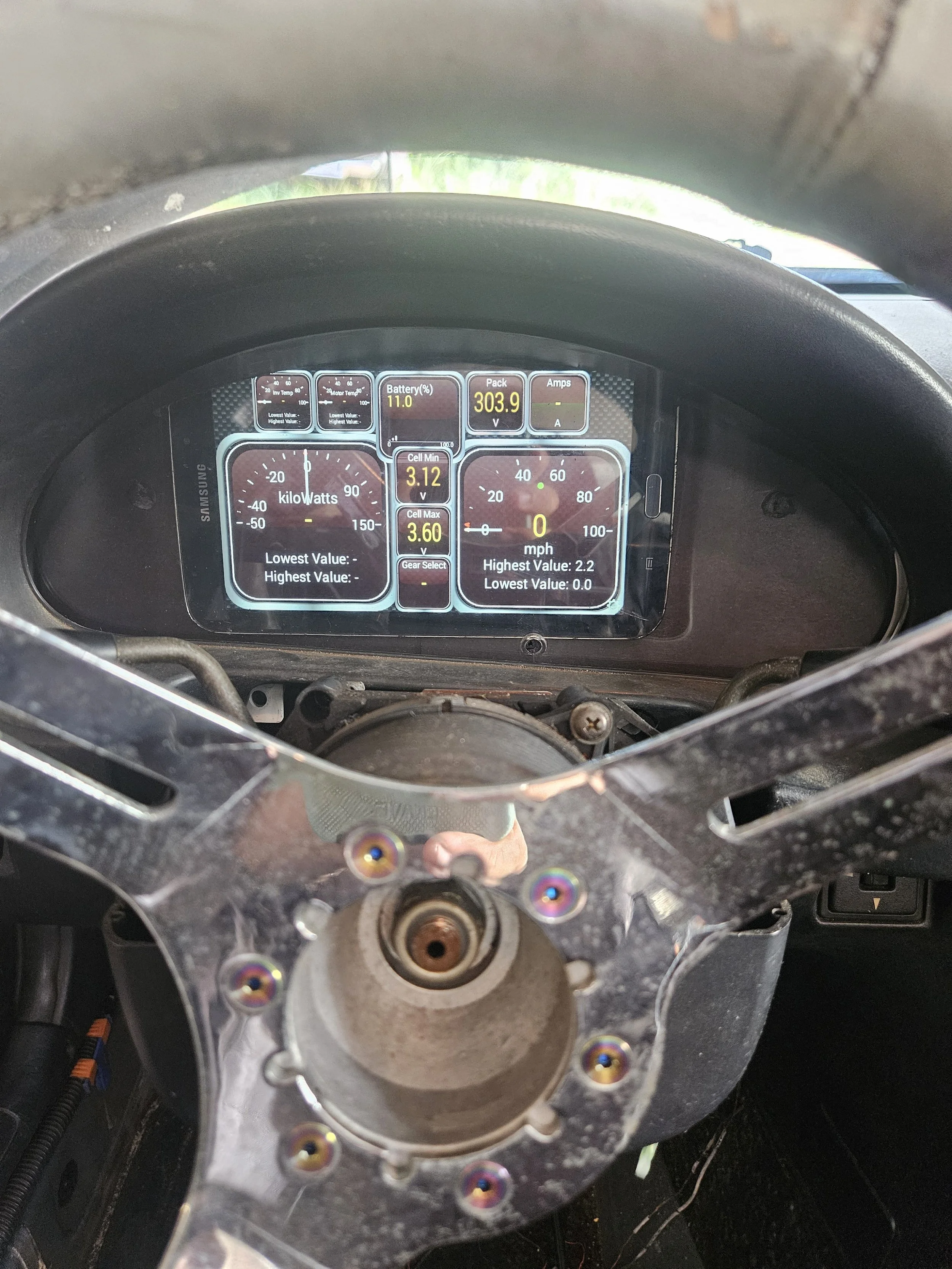
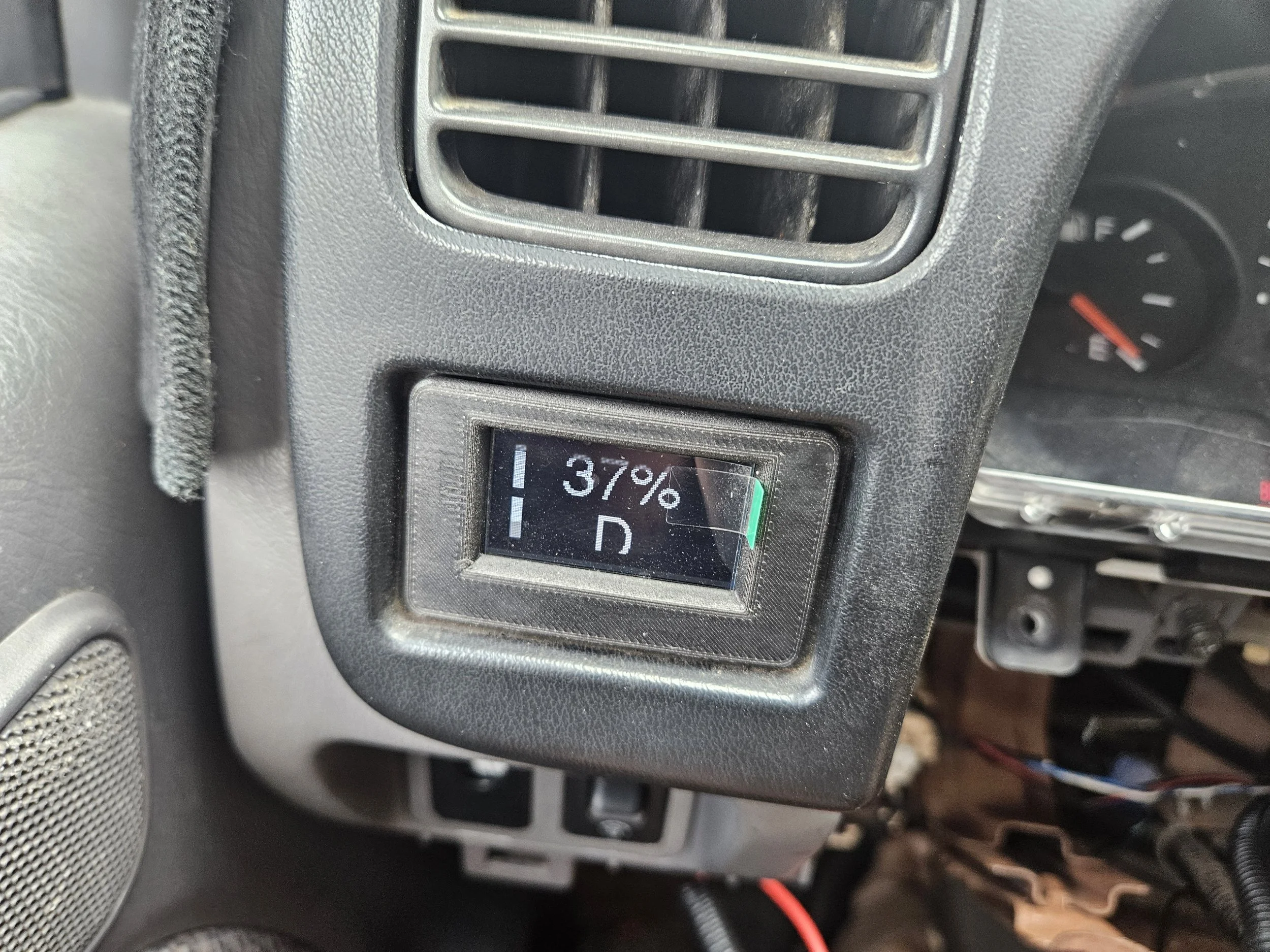
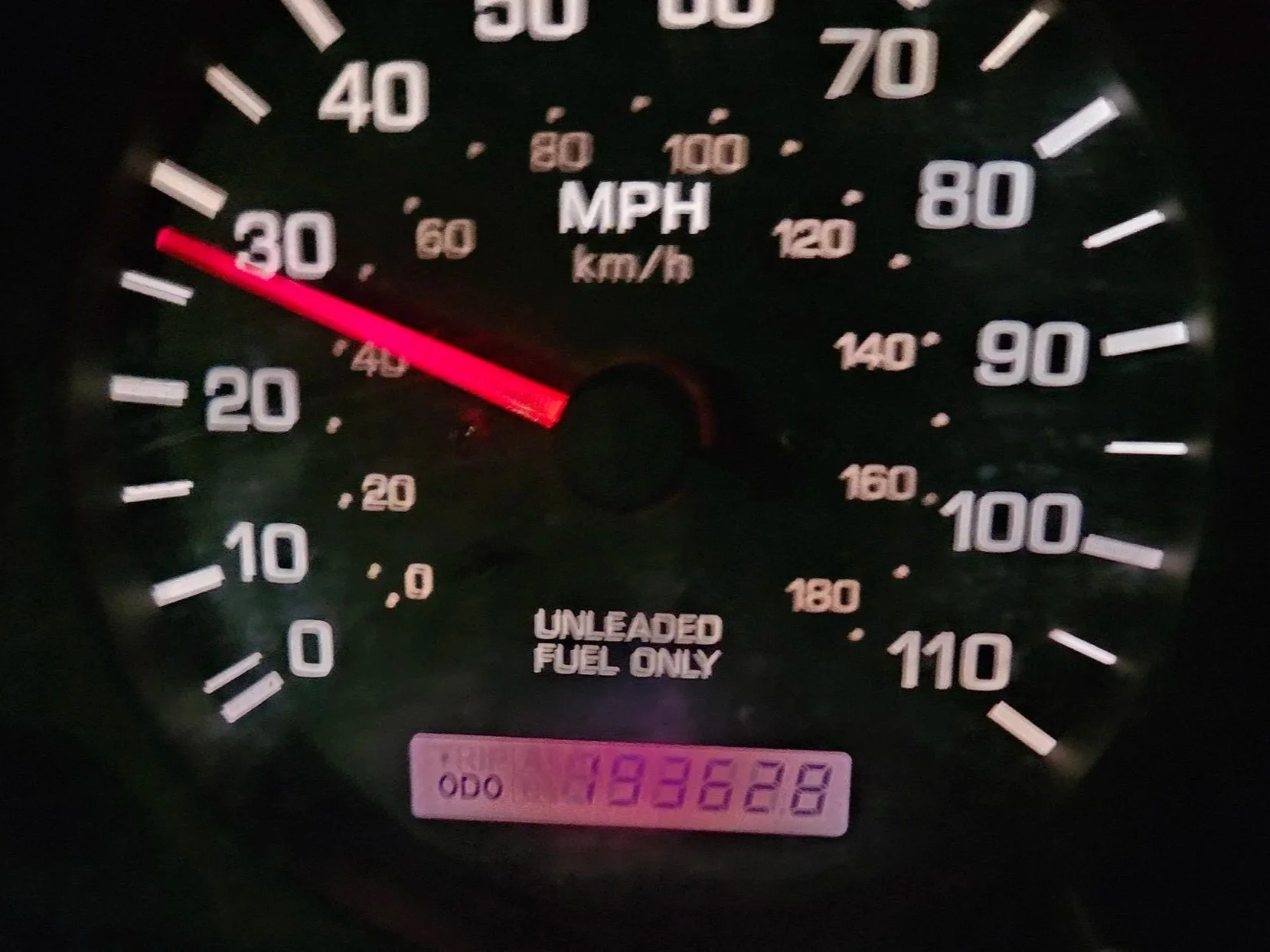
Integrates with the converted vehicle’s ignition and instruments, and
Allows room for future tuning and improvements.
Why Reuse Makes Sense for Many Customers
Using Nissan Leaf donor parts helps many of our clients by:
Lowering overall project cost
Brand‑new motors, inverters, and battery systems can be extremely expensive. Reusing proven Leaf hardware keeps conversions in a more approachable budget range.Reducing waste
We’re giving high‑quality components a second life instead of sending them to scrap, which aligns with our focus on sustainability and a circular economy here in Hawaiʻi.Improving serviceability
Leaf hardware and parts are common and well‑documented. That makes troubleshooting and future upgrades more straightforward than with one‑off, exotic components.
This approach is especially well‑suited to practical daily drivers—like pickups and roadsters used for everyday island life—where reliability and value matter just as much as performance.
Is a Leaf‑Based Conversion Right for Your Vehicle?
Not every project needs or benefits from using Leaf components, but for many:
Mid‑size pickups
Lightweight roadsters and convertibles
Small commuter cars
…a Leaf‑based drivetrain can be an excellent foundation.
If you’re curious whether your vehicle might be a good fit, the best next step is to tell us a bit about:
What you drive (or want to drive),
How far you need to go on a typical day, and
What you care about most: range, performance, cost, or preserving a classic.
Thinking about an EV conversion using proven Leaf components?
Every build is custom, and the right approach depends on your vehicle and goals. Many full conversions using Leaf‑based hardware land in a broad $20,000–$40,000 range, depending on range and complexity. These examples are for illustration only—final pricing always depends on your specific project.
Share your vehicle and goals with us, and we’ll help you understand what’s possible: