
Pricing & What Affects Cost
Every EV conversion we do at ReRides EV is a custom build. There’s no one-size-fits-all kit, because every vehicle, driver, and island lifestyle is different.
That said, it’s important to have a realistic starting point. Many full conversions for pickups and classic roadsters typically land somewhere in the $20,000–$40,000 USD range. Simpler consulting or partial projects can be less, and more ambitious, performance‑oriented, or restoration-heavy builds can be more.
These figures are examples for illustration only, not a fixed price list. Exact pricing depends on your vehicle, goals, and parts availability. The best way to get a more accurate number is to tell us about your vehicle and how you drive, and we’ll talk through options together.
The Big Three Cost Drivers
Range: How Far You Want to Go on a Charge
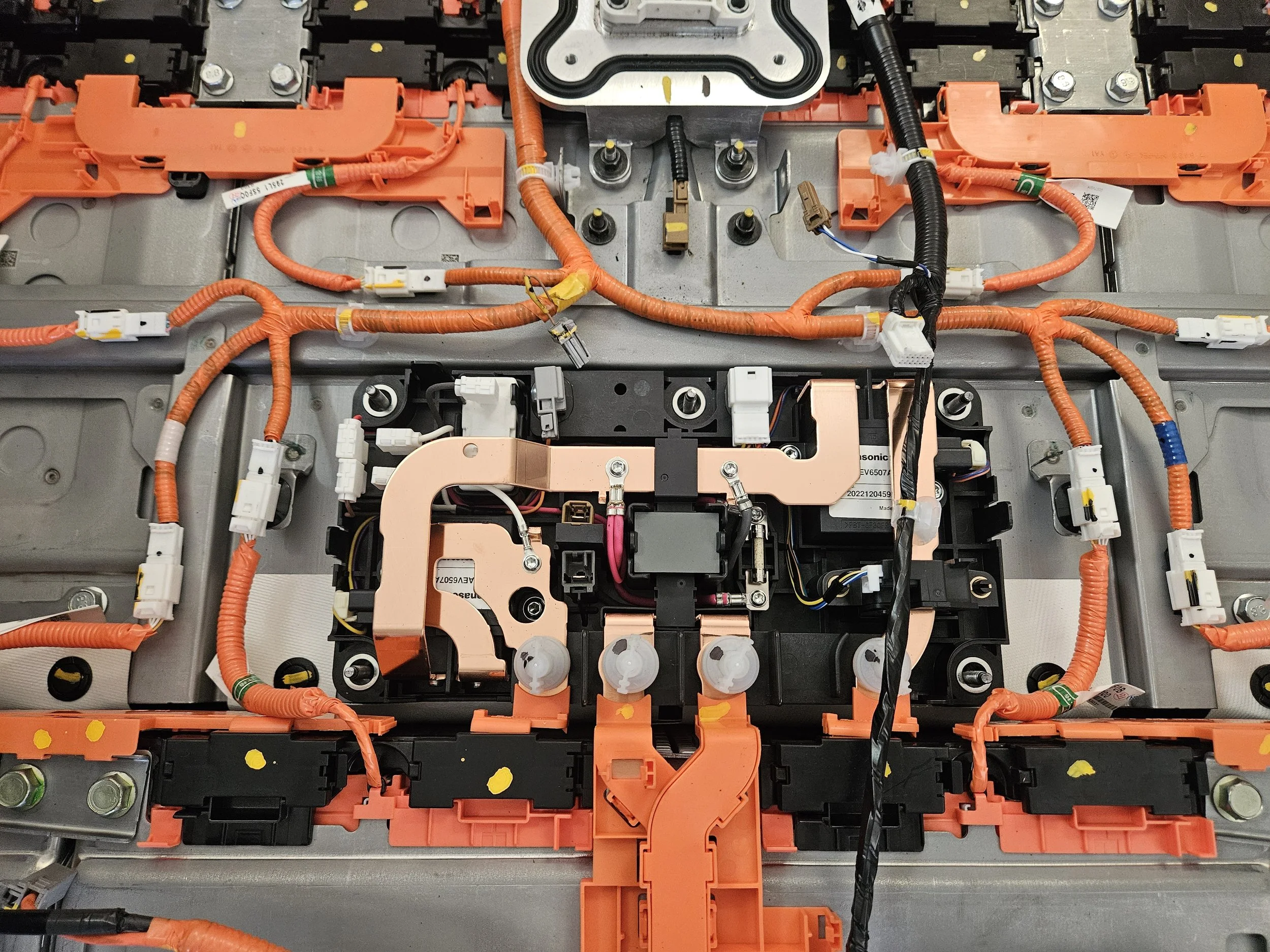
Batteries are the single biggest cost in almost any EV conversion. Want to drive farther? You’ll need more battery capacity, and that’s where budgets move the most.
On Oʻahu and across Hawaiʻi, many people don’t actually need a 300‑mile car. A “town and commute” build with a modest battery pack for errands, school runs, and work commutes is often much more affordable than a long‑range build meant for extended island loops.
If most of your driving is short trips, we can often design a smaller, cost‑effective pack that still feels very practical.
If you want to comfortably do longer drives (for example, around the island or frequent cross‑island trips), we’ll size a larger pack, which adds to the overall budget.
Rule of thumb:
More miles of range = more batteries = higher cost.
EV conversions look simple from the outside—take out the engine, put in a motor and batteries—but there are several key decisions that determine where your project lands in that $20k–$40k+ range. Here are the three biggest factors, in plain language.
Performance: How You Want It to Feel
The second big factor is how the vehicle should feel to drive.
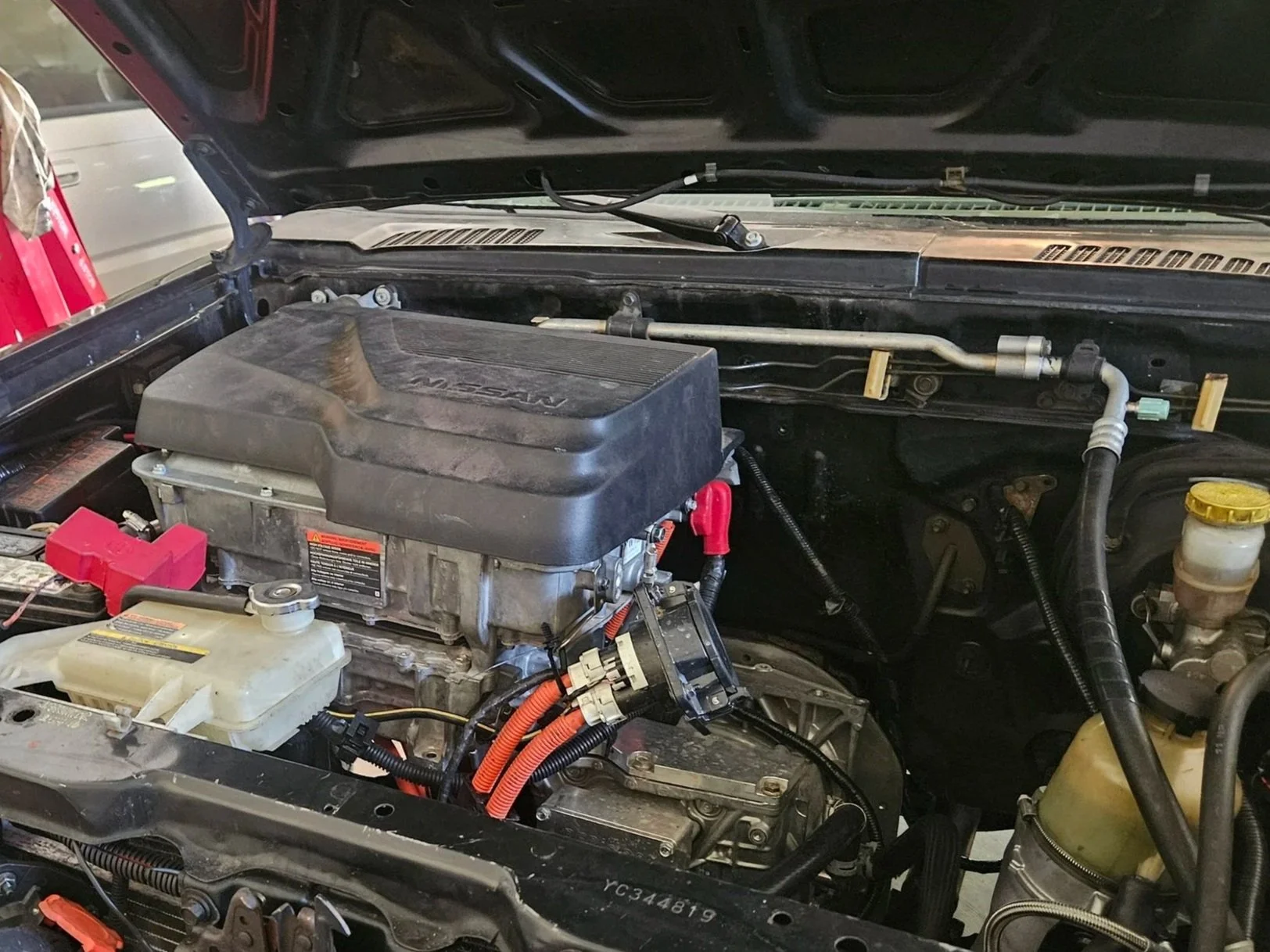
We often use proven, reliable components like Nissan Leaf drivetrains for what we’d call “daily driver” conversions. These builds focus on smooth, quiet, dependable performance that’s perfect for island roads, without chasing extreme horsepower numbers.
If your goal is a high‑performance classic that pulls hard off the line or keeps up with modern sports cars, that calls for more advanced hardware, more engineering time, and often more supporting components (cooling, custom mounts, upgraded brakes, etc.).
You don’t have to decide the technical solution—that’s our job. But it helps to know whether you’re dreaming of:
A comfortable, efficient daily EV that happens to be your favorite truck or roadster, or
A more aggressive, performance‑oriented build that will demand a higher budget.
Your Vehicle’s Size, Layout, and Condition
Some vehicles are simply easier and more cost‑effective to convert than others.
Great candidates: mid‑size pickups and many roadsters/convertibles with decent space for batteries and straightforward layouts.
More complex candidates: vehicles with very tight packaging, significant rust, or unusual suspensions and bodywork.
If your donor vehicle is solid, mostly rust‑free, and mechanically straightforward, more of your budget can go directly into the electric system rather than fixing surprises. If the vehicle needs bodywork, suspension overhauls, or major restoration on top of the conversion, that will increase the total investment.
We can help you evaluate whether a specific truck or classic is a smart conversion candidate before you commit.
While every build is unique, most ReRides EV projects for pickups and classic roadsters fall into one of two general categories. These are not quotes, but they can help you see where your ideas might fit.
Typical Project Paths
The “Daily Driver” Conversion
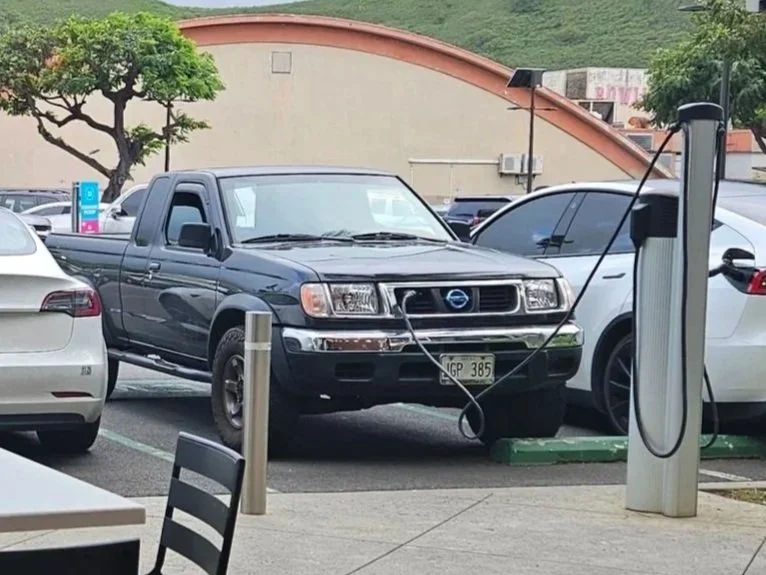
Many projects fall roughly in the $20,000–$30,000 band.
This is a great fit if you want to:
Convert a mid‑size pickup or practical daily car you already love.
Use the vehicle mostly for commuting, errands, and regular island driving.
Prioritize reliability, reasonable range, and good value over maximum performance.
These builds often use proven components and focus on delivering a smooth, usable electric daily driver tailored to Hawaiʻi’s typical drive distances.
The “Bespoke Classic or Performance” Conversion
Many of these projects land around $30,000–$40,000+.
This path is more common for:
Classic roadsters and specialty vehicles where weight balance, packaging, and aesthetics really matter.
Builds where you want stronger acceleration, more custom fabrication, or a more complex battery layout to preserve trunk or interior space.
Projects that involve additional restoration or upgrades alongside the electric conversion.
These custom builds involve more design time, more specialized parts, and often more fabrication, which is why they sit at the higher end of the range.
Again, these ranges are for illustration only. The best way to find out where your idea might fall is to share your vehicle details and goals through our consultation form.
What’s Included – and What’s Not
Included in a typical ReRides EV conversion:
Removal of the original internal combustion engine and related components.
Installation of an electric motor, inverter, and associated high‑voltage systems.
Installation and secure mounting of a battery pack sized to your goals.
Integration with key vehicle systems (ignition/start, instrumentation as appropriate, safety systems, etc.).
Testing, tuning, and a road‑ready handoff of your converted EV.
Not typically included (but we can coordinate with others):
The donor vehicle itself – you bring the car or truck, or we can help advise you on finding a good candidate.
Major bodywork, paint, or interior upholstery.
Non‑safety‑critical custom cosmetic work (stereo upgrades, full custom interiors, etc.).
Government registration and standard state fees (we can often help advise on the process where appropriate, but those fees are separate).
If you’re not sure whether something you want falls inside or outside a typical conversion scope, just ask—we’re happy to walk through it with you.
Want to Know What It Would Cost for Your Vehicle?
The fastest way to get a realistic sense of cost and options is to tell us a bit about your vehicle, how you drive, and what you’re hoping for. From there, we can talk through what’s possible, what range makes sense for your routes, and where your project might land budget‑wise.
Every build is custom, and all examples on this page are for illustration only. Your final pricing will depend on your specific vehicle, goals, and parts availability at the time of your project.